Ever wonder if your surge protector can go bad without you realizing? The truth is, it can, even if it still looks fine on the surface. Your device’s internal components wear out gradually with each surge.
A significant hit can ruin it instantly without warning. Here’s what you need to know to keep your gear safe and when to replace your surge protector before it fails.
Do Surge Protectors Really Go Bad?
Surge protectors do go bad over time. They are not designed to last forever. The protection components inside degrade with repeated power surges and general wear, causing the device to lose its ability to block voltage spikes effectively. On average, many experts recommend replacing your surge protector every 3 to 5 years. If you live in an area prone to frequent or intense power surges, such as regions with unstable electricity or during storm seasons, you might need to replace it sooner. Conversely, a high-quality surge protector used in a low-risk environment could last up to 7 or even 10 years. But keep in mind, a surge protector may appear fine externally, yet have diminished protective capacity. Similarly, kerosene heaters can appear safe indoors but still pose serious risks like indoor air pollution and fire hazards. Regularly replacing your unit ensures your devices stay protected against unexpected power surges. Understanding the proper propane tank safety for backup generators can help prevent similar hidden hazards. For those building their own energy systems, understanding the complete DIY guide for assembling solar panels can help ensure consistent power without dangerous voltage fluctuations.
What Wears Down Inside a Surge Protector?
The component that wears down inside a surge protector is primarily the metal-oxide varistor (MOV). This part absorbs the excess voltage during power surges, but each event causes microscopic damage to its zinc-oxide grain structure. Over time, this internal deterioration reduces the MOV’s ability to protect your devices by weakening its capacity to shunt high voltage safely. Similar to how propane tanks gradually degrade from repeated use and exposure, the MOV’s protective capacity is permanently reduced by each surge event. While a portable generator can create clean power, it is still advisable to use a surge protector with an inverter to protect sensitive electronics from voltage fluctuations. As the MOV ages, it also allows more leakage current, meaning it conducts electricity when it shouldn’t. This leakage generates extra heat, which further accelerates internal wear and can cause solder joints and internal connections to oxidize or become brittle. Clamping voltage can change unpredictably, making the surge protector less reliable. This degradation process is comparable to how deep cycle battery testing reveals a gradual loss of capacity over time. Ultimately, the MOV acts as a sacrificial component, gradually losing its protective function through microscopic, cumulative damage.
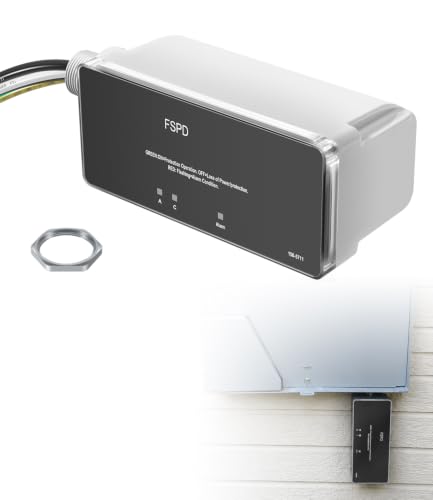
【WIDE PANEL COMPATIBILITY】Designed for 120/240V single-phase residential electrical systems and suitable for a wide range of compatible load centers and electrical panels. Replacement for Siemens FSPD060 with an external parallel-connected installation design. Please verify system voltage and installation requirements before purchase.

Please select the model you purchased and contact us promptly if you have any questions
Please select the model you purchased and contact us promptly if you have any questions
What Happens After a Major Surge or Lightning Strike?
A major surge or lightning strike can cause significant damage even if your surge protector appears intact afterward. When a lightning strike hits, the energy can overwhelm your surge protector, which often sacrifices itself to protect your electronics. However, it can also fail silently—meaning it stops working without any obvious signs. The metal oxide varistor inside the protector absorbs the surge, but after a powerful event, it may degrade, burn out, or fail open. This failure means the protector no longer blocks surges, leaving your connected devices vulnerable even if it looks fine externally.
If your electronics survive after a surge, do not assume your surge protector remained effective. Internal damage might have compromised its ability to protect during future surges. The only safe choice is to replace the surge protector immediately after any major surge or lightning event. This helps ensure your devices stay protected from subsequent spikes that might go unnoticed.
4 Warning Signs Your Surge Protector Is Failing
Warning signs your surge protector is failing include checking the indicator light, inspecting for damage, feeling for heat, listening for sounds, and noticing electrical performance issues. If the indicator light is off, blinking, or red, it indicates that the protection components are likely worn out and no longer effective. Damage to the housing such as burn marks, melted plastic, or cracks suggests overheating or internal stress, which can compromise safety and function. In fact, surge protectors sacrifice their internal components by absorbing and diverting excess voltage to ground, which means each major surge degrades them permanently. Unlike a converter that continuously transforms power type, a surge protector’s sacrificial design means its ability to clamp voltage spikes declines with each event, making eventual failure inevitable. Similarly, kerosene’s chemical stability degrades over time due to oxidation and contamination, leading to poor combustion.
Feeling for excess heat and listening for abnormal sounds like buzzing, humming, or clicking can reveal internal problems. An unusually warm unit or a burning smell signals potential failure. Electrical issues, such as intermittent power loss, dead outlets, or unexplained device resets, also suggest that your surge protector is no longer working properly. Recognizing these signs early can help you replace the unit before it completely fails and prevents potential damage to connected devices.
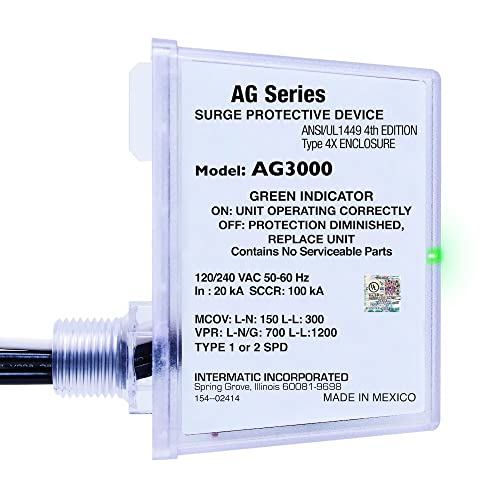
COMPREHENSIVE SURGE SHIELD - Secure your HVAC equipment and household devices with Intermatic AG3000 Surge Protective Device, offering three modes of protection (L-G, L-L, L-N) for robust defense against power surges and potential damage.

International products have separate terms, are sold from abroad and may differ from local products, including fit, age ratings, and language of product, labeling or instructions

SURGE PROTECTION EXPERT FOR HVAC SYSTEMS: This high-performance surge protector absorbs up to 20kA of surge, effectively shielding your HVAC systems and home appliances from lightning strikes, power fluctuations, and other sudden high-voltage spikes, preventing costly repairs or replacements
How Often Should You Replace a Surge Protector?
Most surge protectors should be replaced every 3 to 5 years under normal home conditions. If you live in an area prone to frequent storms or power fluctuations, consider replacing yours more often, around every 2 to 3 years. You shouldn’t judge a surge protector’s effectiveness based on its appearance since internal components degrade silently over time. Repeated minor surges and ongoing power fluctuations gradually diminish its protective capacity, so replace it sooner if you notice frequent power outages or brownouts. A surge protector may still appear functional after its protection has failed, but it no longer safeguards your devices. Signs like noise interference in connected electronics often indicate that protection is fading. For similar reasons, whole house generator installations require careful attention to safety rules to avoid electrical hazards. To ensure reliable power backup, look for a model that has earned top generator reviews for consistent performance and durability. Following a regular replacement schedule and viewing your surge protector as a consumable item helps ensure ongoing safety. If you’ve experienced a major surge, replace the unit immediately. Environments with unpredictable power quality necessitate more frequent replacements to stay protected. Similarly, just as choosing the best fuel stabilizer helps maintain your generator’s performance, regularly replacing your surge protector is essential for protecting your electronics.

LAST LINE OF DEFENSE – THOMESURGEP surge protective device by ABB guards your home from electrical surges. Immediate and reliable protection for sensitive electronics and appliances.

Multi-functional Outlet Splitter: This Multi Plug Outlet Extender can turn 2 into 5, plus 4 USB Ports; 1680 joules surge protector protect electronics by improving your power quality. Wall plug design, No messy power cable, No desktop space occupation, Perfect solution for dorm room, bedside.

【Multi Function Power Strip】:Surge Protector Power Strip with 12AC outlets & 4 USB charging ports, 6-foot Heavy Duty power extension cord, surge protector(2700 Joules) with overload protection protects against spikes and fluctuations.
Do Whole-House Protectors Last Longer Than Plug-In?
Whole-house protectors generally last longer than plug-in strips, with a typical lifespan of about 5 to 10 years compared to 3 to 5 years for plug-in models. The longevity depends heavily on installation quality; if your whole-house protector isn’t properly wired into your main electrical panel, its lifespan can shorten significantly. These devices sit at your home’s electrical service entrance, intercepting large surges before they reach your wiring and saving downstream devices from damage. For outdoor or high-demand setups, pairing a whole-house protector with heavy-duty extension cords ensures reliable power delivery to tools and appliances. Regularly checking indicator lights is important because protectors can fail without obvious signs. For generator applications, using the best 10W-30 oil helps ensure consistent engine performance and surge protection reliability. Heavy storms, frequent power surges, or switching large appliances often shorten the lifespan of either type. Remember, a whole-house protector isn’t maintenance-free—periodic inspections are crucial, and during maintenance you should always follow the manufacturer’s guide for connecting a battery tender safely to avoid accidental shorts.
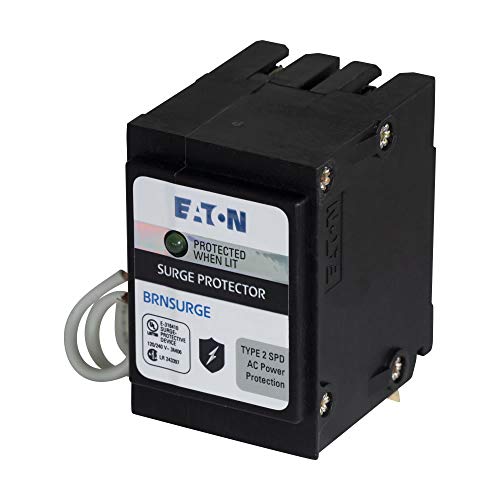
TYPE BR CIRCUIT BREAKER SURGE PROTECTIVE DEVICE, TWO POLE, SURGE PROTECTIVE DEVICE

Fits into existing Siemens load centers

Whole House Surge Protector: FHSPD108S is a compact whole-home surge protector that safeguards electrical devices connected to your home system
How to Test and Safely Dispose of an Old Protector
To test and safely dispose of an old surge protector, follow these steps. First, perform a visual inspection to look for signs of damage such as burn marks, melted plastic, or a tripped protected light. Next, plug in a functioning lamp or phone charger to see if power is flowing through the unit. Use an outlet tester to verify proper wiring and grounding—this is especially crucial if the surge protector has been used in garage wiring, which can sometimes have grounding issues. For standard 110-125 VAC outlets, this tester uses six visual LED tests to display wiring status accurately. A multimeter can also check for the correct AC voltage output. If your unit is connected to a home standby system, it may be helpful to review home natural gas backup generators to understand alternative power solutions.
If the surge protector fails any of these tests, do not discard it in regular trash. Instead, treat it as electronic waste. Many recycling programs accept surge protectors and cords. Before disposing of it, remove any attached accessories, provided local rules allow. Take the unit to an electronics recycling drop-off or household hazardous waste collection site. Avoid using a faulty surge protector with your devices, as it can pose safety risks and harm your equipment. Proper disposal helps protect both your safety and the environment.
Why a Working Strip Might Not Protect You From Surges
A working surge strip can still power your devices even after its protection has worn out because the internal components that absorb surges gradually degrade over time without showing obvious signs of failure. These components, known as metal-oxide varistors (MOVs), take the brunt of each small surge, slowly reducing their ability to handle larger ones in the future. As this damage accumulates, the strip may still display a “protected” light, giving you a false sense of security. A high joule rating indicates a larger capacity for absorbing energy but does not guarantee the safety of your devices if the MOVs have already deteriorated. Additionally, without proper grounding, surge energy cannot be effectively diverted away from your equipment, leaving you vulnerable even if the strip appears functional. Electrical interference and regular power fluctuations can also subtly weaken surge protection over time—wearing down the components without tripping the breaker or alerting you. In short, your surge strip might look fine but could be silently failing, leaving your devices exposed to a major surge. If you need consistent power for sensitive electronics, consider using a clean power source like a Honda inverter generator instead of relying on a degraded strip. Honda inverter generators provide reliable power output with clean sine wave technology, which helps prevent the small electrical fluctuations that can gradually degrade surge protector components. For portable power applications, always follow safe operating tips to avoid overloading circuits or exposing equipment to moisture.