Worried about diesel fuel freezing or gelling in winter? While diesel doesn’t freeze solid like water, it can turn into a thick, sludge-like substance that clogs filters and stalls engines in cold temperatures.
Knowing the key temperature points where this happens can help you keep your engine running smoothly through the chill.
The full picture on how to prevent this is right below.
Does Diesel Fuel Actually Freeze Like Water?
Diesel fuel does not freeze like water; instead, it gels at low temperatures. When temperatures drop, paraffin wax within the diesel begins to crystallize and separate from the fuel. This process causes the diesel to turn from clear to cloudy, eventually forming a thick gel that can block fuel filters and lines. The gelling point varies depending on the fuel’s formulation and additives, but typically occurs between 0 and -20 degrees Fahrenheit. For routine diesel system health, regular voltage testing of the starting battery is crucial, as cold weather gelling places added strain on electrical components. Selecting a portable generator with an inverter can help maintain stable power output despite cold-induced electrical strain. Similarly, if you are storing diesel for long periods, remember that gas can go bad due to oxidation and evaporation, requiring stabilizers to maintain fuel integrity.
There is no single “freeze point” for diesel because gelling depends on factors like temperature, fuel composition, and the presence of contaminants. The primary issue in cold weather isn’t ice but restricted flow caused by wax crystals accumulating and clogging fuel pathways. Water contamination can freeze separately and worsen blockages, but the main cold-weather challenge stems from wax gelling. Understanding this helps you take proper precautions and avoid costly engine downtime.
3 Cold-Weather Temperatures Every Diesel Owner Needs to Know
The three critical cold-weather temperatures for diesel fuel are the cloud point, the cold filter plugging point (CFPP), and the pour point. Among these, the CFPP is the most practical indicator of when your fuel may fail in cold conditions. The cloud point, usually between 14°F and 20°F for untreated No. 2 diesel, signals when wax crystals first form in the fuel. While your engine might still run at this stage, the formation of wax crystals can cause issues if temperatures drop further. The CFPP, typically between 0°F and 10°F, indicates when the fuel will no longer pass through filters, risking engine stalling. Below this point lies the pour point, where the fuel stops flowing entirely. Understanding these temperature thresholds and managing fuel storage and winter blending are key to maintaining reliable operation in extreme cold. When choosing an engine oil for cold-weather generator use, selecting the right viscosity grade is also critical to ensure proper lubrication as temperatures approach the CFPP.
Why Paraffin Wax Makes Diesel Gelling Inevitable
The cloud point is the first noticeable sign that diesel is starting to gel. This is the temperature at which haze appears in your fuel, signaling crystals are beginning to form. As the temperature drops further, these crystals cluster together, clogging fuel lines and filters. This process isn’t caused by outside contamination but is a result of diesel’s own chemistry reacting to the cold. If the temperature continues to fall, you’ll reach the cold filter plug point or gel point, where fuel flow stops completely. While it may be impossible to prevent gelation entirely, cold-flow improvers can help by keeping crystals small and dispersed, delaying the onset of gelling and allowing your fuel to flow longer in colder conditions.
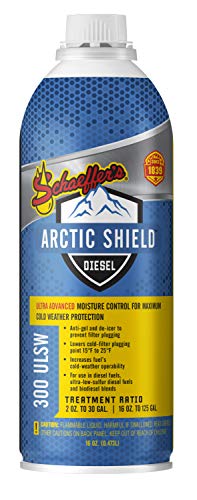
Optimizes performance and fuel economy.


ENHANCED LUBRICITY & ANTI-GEL: Improves diesel fuel lubrication while preventing gelling in cold temperatures. Ensures smooth fuel flow and protects injectors and pumps from wear, helping your engine perform reliably even in extreme winter conditions.
1 Diesel vs. #2 Diesel: Which Performs Better in Winter?
#1 diesel outperforms #2 diesel in winter because it flows more easily due to its lower viscosity. Its lower cloud point prevents wax crystals from forming until around -40°F, whereas #2 diesel clouds up as high as 20°F. This means with #1 diesel, you are less likely to gell or experience filter plugging in very cold conditions, maintaining fuel stability even at subzero temperatures. Cold filtering becomes unnecessary, reducing engine startup issues and fuel flow restrictions.
However, opting for #1 diesel means sacrificing some fuel economy. It delivers about 5% fewer BTUs per gallon, so you’ll burn slightly more fuel to generate the same power. Its lubricity is also lower, which can impact engine parts over time. Nonetheless, in extreme cold, #1 diesel provides reliable starts and prevents gelling of fuel lines. For milder winter weather, #2 diesel remains adequate, but for harsh cold conditions, #1 diesel stands out as the better choice.

PREVENTS GELLING: This 7-in-1 diesel anti-gel additive minimizes the size of wax crystals that form in diesel fuel during cold weather allowing the fuel to travel through the fuel filter at 20°F below the cloud point (wax solidification point).

PREVENTS GELLING: This anti-gel diesel additive minimizes the size of wax crystals that form in diesel fuel during cold weather, so it can still travel through the fuel system, even at temperatures 20°F below the wax solidification point.

Will prevent gelling down to -40° Fahrenheit
Can Additives Reverse Already-Gelled Diesel?
Additives generally cannot reverse a gelled diesel once it has solidified. Standard anti-gel treatments are designed to prevent fuel from gelling by lowering the pour point, not to dissolve or liquefy already-formed gel. Pouring these additives into solid fuel is ineffective because they cannot mix properly with the gelled fuel. To improve circulation on a partially gelled tank, applying heat to the engine helps loosen the gel. In severe cases, filtering out the thickened fuel or replacing the filter may be necessary. For example, an emergency formula like Opti-Lube Gel Melt is specifically designed to reliquify gelled fuel and de-ice frozen filters, differing from standard preventatives. Remember, emergency formulas are meant to aid recovery and are not a fix-all solution. Similarly, a portable electric generator used for camping would also require winterization to prevent fuel-related failures in cold weather. The best approach remains winterizing your fuel before the temperature drops enough to cause gelling.

Contains Real water dispersants to effectively remove moisture from the entire fuel system

PREVENTS GELLING: This anti-gel diesel additive minimizes the size of wax crystals that form in diesel fuel during cold weather, so it can still travel through the fuel system, even at temperatures 20°F below the wax solidification point.

PREVENTS GELLING: This 7-in-1 diesel anti-gel additive minimizes the size of wax crystals that form in diesel fuel during cold weather allowing the fuel to travel through the fuel filter at 20°F below the cloud point (wax solidification point).
5 Ways to Prevent Diesel Gelling Before It Starts
Starting with winter-grade or winterized diesel is your best first step before cold weather hits. These fuels are formulated to remain fluid at lower temperatures, preventing gelling from the start. Next, add an anti-gel treatment to your fuel before temperatures drop below freezing; waiting until gelling begins is too late. Keep your fuel tank as full as possible because a full tank minimizes condensation, which can freeze and clog your fuel system. For storage, park your vehicle in a garage or use tank heaters to keep diesel warm and prevent it from thickening. Lastly, perform regular maintenance checks: clean your fuel filters and ensure your heating system is working correctly. These proactive steps help you avoid gelling and keep your engine running smoothly in cold weather. Additionally, just as with portable generators, always consult proper grounding guidelines to ensure safe operation of your equipment in cold conditions. Understanding the cost of fuel additives can help you budget for anti-gel treatments that prevent expensive cold-weather repairs.

Made in United States

PREVENTS GELLING: This 7-in-1 diesel anti-gel additive minimizes the size of wax crystals that form in diesel fuel during cold weather allowing the fuel to travel through the fuel filter at 20°F below the cloud point (wax solidification point).
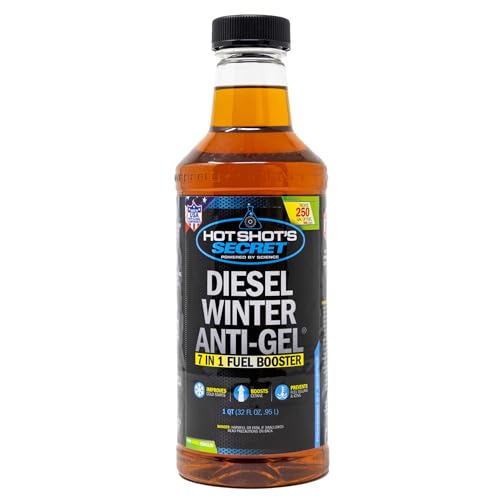
PREVENTS GELLING: This anti-gel diesel additive minimizes the size of wax crystals that form in diesel fuel during cold weather, so it can still travel through the fuel system, even at temperatures 20°F below the wax solidification point.
What Should You Do If Your Diesel Has Already Gelled?
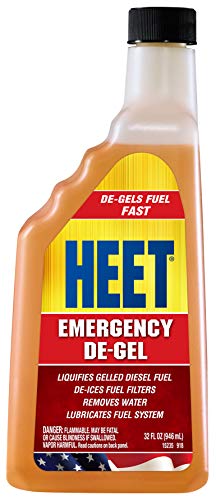
If your diesel has already gelled, you need to act quickly and carefully to prevent further damage. Start by adding an emergency de-gel product at the recommended dosage—usually 32 ounces per 40 gallons of fuel. Do not use anti-gel additives for recovery, as they are meant to prevent gelling and won’t dissolve existing wax. Before attempting to restart the engine, fill your fuel filters with a 50/50 mix of the additive and diesel, then wait about 15 to 30 minutes to allow the mixture to work. Ensure you’re using the correct additive compatible with your system to avoid further complications.
After treating the fuel, idle the engine gently to distribute heat and help clear the wax buildup. If fuel flow remains restricted, replace the clogged filters. Applying gentle heat, such as a hair dryer aimed at the filter housing, can help melt the stuck wax — but avoid open flames or excessive heat that might cause damage. Never keep cranking the engine repeatedly or add gasoline to the tank, as both actions risk serious engine damage. If your engine still refuses to start after these steps, it’s best to contact a professional for service.
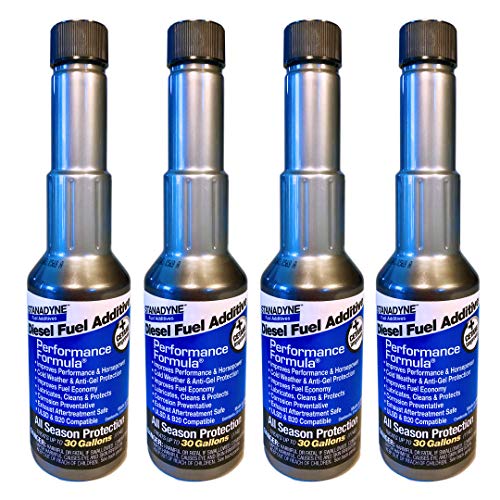
Improves Performance & Horsepower

Clean Out The Tank, Lines And Injectors