Worried about whether your gas can go bad and cause problems in your engine? The truth is, it can—sometimes in as little as three months—especially if it contains ethanol.
When gas degrades, it forms a nasty sludge that can clog your fuel system and lead to engine trouble.
Luckily, with proper storage and stabilizers, you can keep your fuel fresh longer.
Keep reading to learn how to protect your gas and avoid headaches.
Gasoline Lasts 3–6 Months (Shorter If It’s Ethanol)
Untreated gasoline typically lasts about 3 to 6 months in a sealed, approved container. However, if your fuel contains ethanol, that window shrinks significantly. E10 gas, which includes 10 percent ethanol, often remains usable for only 1 to 3 months before its performance declines. This shorter shelf life can cause hard starts, rough running, or poor engine performance once the fuel ages beyond that period. To prevent these issues, proper storage from the start is essential. Gas stored in a hot garage can degrade faster than fuel kept in a cool, shaded area. Using fuel stabilizers can help extend the lifespan of ethanol-blended fuels, but they are not foolproof. Treating old fuel like a deep cycle battery requires regular testing and maintenance to ensure it still holds a usable charge. For seasonal equipment or extended storage, it’s advisable to opt for ethanol-free fuel or plan shorter storage durations to maintain optimal engine performance. For a power station that might need to sit unused for months, reliable stored energy is as critical as fuel stability.
Why Does Gasoline Go Bad? (Heat, Air, and Moisture)
Gasoline begins to go bad immediately when exposed to heat, air, and moisture. Heat accelerates oxidation, which triggers chemical reactions that create gums and varnishes, leading to clogged fuel systems. Air exposure causes similar damage: oxygen rearranges fuel molecules into sticky residues that can impair engine performance. Storing fuel in a partially filled tank leaves more air space, increasing its contact with the gasoline and speeding up deterioration. A tri fuel generator solves this problem by running on propane or natural gas, which does not go bad like gasoline. For portable generator users, choosing an inverter that handles these alternative fuels is essential, and a best inverter can regulate the stable power output needed for sensitive electronics when running on propane.
Moisture is equally damaging. It makes gasoline corrosive and promotes rust inside your tank and fuel lines. Using ethanol-blended gasoline worsens this issue because ethanol attracts water from the air. Over time, that absorbed water can cause phase separation, where a watery layer sinks to the bottom of the tank, potentially harming engine components. To keep your fuel fresh longer, store it in cool, sealed, and dry conditions. Proper storage slows down these chemical reactions and preserves gasoline’s quality.
3 Quick Checks to Tell If Your Gas Has Gone Bad
You can tell if your gas has gone bad through three quick checks. Start visually by inspecting the fuel itself. Fresh gasoline should be clear or slightly yellow; if the fuel appears dark, cloudy, or shows layering or sediment, it’s a sign of deterioration. Next, smell the fuel. A sour, varnish-like, or chemical odor indicates that the gasoline has degraded over time and may no longer be suitable for use. Finally, assess engine performance. Difficulty starting, sputtering, or stalling during operation often points to bad fuel. For a quick test, pour a small sample into a clear container and look for unusual cloudiness, sediment, haziness, or the presence of two separate layers. Any visible changes, off-putting smells, or noticeable engine issues mean you should avoid using that fuel. Similar to how AGM battery chargers require specific settings to avoid damaging sensitive electronics, proper fuel storage practices are equally critical for engine health. Storing fuel in a proper sealed jerry can can help delay the degradation process. While additives can stabilize fresh gasoline, they cannot restore fuel that has already broken down and may cause damage to your engine. For a reliable energy setup, consider pairing your fuel storage with high-quality solar panels that use standardized connectors for efficient power generation.

Universal: Perfectly compatible with 5-gallon (20L) Scepter Jerry Cans, USMC Blitz metal gasoline cans, and flexible screw-on gas nozzles. Ensures a seamless seal for leak-free storage and transport

Compact Size: Need extra fuel on the go? This 5.3Gal/20L metal gas can (14.2 x 7.1 x 20.1 inches) slips into your trunk with ease. Lightweight yet practical, it's ideal for road trips, camping, or outdoor work

Safeguard your fuel transportation with Goduog's Gasket for Jerry Can. Specially designed for 5-gallon metal Jerry Gas Cans, these durable rubber gaskets ensure a tight, leak-proof seal, each time you fill up
What Happens When You Use Stale Gas in an Engine
Using stale gas in your engine causes serious problems. The fuel’s lost its volatility, making it harder for your engine to start—sometimes resulting in a complete no-start condition. When it does start, you’ll notice rough idling, stuttering, and reduced power during acceleration or when climbing hills. This degraded fuel tends to form gum and varnish that coat fuel injectors or the carburetor, leading to clogs and misfires. Over time, carbon deposits build up on pistons and valves. Ethanol-blended gas can also separate, introducing corrosive water into your system. Simple engine cleaning won’t fix these issues; professional repairs are often necessary. Using fuel additives after the fact won’t undo the varnish that has already deposited. The best approach is to avoid filling up with old gas altogether to prevent these problems. Even small engines used with solar chargers without batteries benefit from fresh fuel to maintain reliable starting. Suboptimal fuel quality shortens engine lifespan, hastening the need for major overhauls.
Gas Lifespan: Car Tank vs. Storage Can
Gasoline in a car’s tank typically lasts about 3 to 6 months before quality begins to decline. Storing fuel in a sealed gas can can extend that period, sometimes up to 12 months if kept in cool, stable conditions. A vehicle’s tank isn’t completely airtight, so exposure to air and temperature fluctuations accelerate fuel degradation. Properly designed storage cans minimize contact with oxygen and moisture, which slows oxidation. Using fuel stabilizers can significantly extend the usable life—often up to 1 to 3 years—regardless of whether it’s in a tank or container. Ethanol-blended fuels break down faster because they attract water, which can cause phase separation. Leaving the tank partially filled with air increases condensation, further reducing fuel quality. For the best preservation, choose a sealed, approved container, keep it in a cool environment, and consider adding a stabilizer. Always follow safe opening tips for gas cans to prevent spills and vapor release when accessing stored fuel.

Gas tank ports can be installed from 1.75 "to 1.81". Measure the size of your gas tank nozzle before purchasing. Newly upgraded lid, reduced height. Make sure the tank cap is completely sealed

Suitable for storing liquid alcohol, petrol, kerosene and other liquid fuels.

Fits Your Needs - Type I safety cans have a single opening for filling and pouring fluids. They are used to safely store, transport, and dispense flammable liquids.
5 Storage Hacks to Keep Gas Fresh for Years
To keep fuel fresh for years, you should use only an approved, airtight fuel container made from suitable materials. Tightly sealing the container limits fuel evaporation and oxidation, which are main causes of degradation. Minimize the amount of air or headspace inside the container to slow down oxidation processes. Label each container with the fill date; this helps you rotate older gas first before it degrades, usually within 12 months. For safe handling, always connect jumper cables in the correct order to avoid dangerous sparks near stored fuel.
Store the cans in a cool, dark, and dry location. Heat speeds up fuel evaporation, while moisture can cause phase separation, making the fuel less effective. Keep cans off damp floors to prevent condensation forming inside, which can contaminate the fuel. To maximize shelf life, opt for ethanol-free fuel as it generally lasts longer than ethanol-blended types such as E10. Finally, practice the first-in, first-out rule by using the oldest stored gas first and avoid opening containers unless necessary to maintain fuel purity and prevent contaminants from entering. Follow these steps and you can further protect your stored fuel by using an appropriate charger to maintain the battery in a fuel transfer pump or generator, ensuring reliable operation when you need it. A surge protector offers a more cost-effective solution than a UPS if your main concern is simply preventing voltage spikes from damaging electronic equipment near your fuel storage area. Following these steps can extend your gas’s usability significantly.

Versatile Storage: discover the convenience of storing burning pellets with our 2 sets of pellet storage boxes designed to accommodate different flavors; Whether you're a culinary enthusiast seeking to diversify wood pellet flavors or someone with diverse storage needs, this solution offers the flexibility you desire; Keep your space organized and your fuel fresh with extraordinary ease

Airtight Moisture Protection — Double-seal roll-top design with locking buckle keeps air and humidity out, so wood pellets, charcoal, and fuel stay dry for consistent grilling performance. Ideal pellet storage container for pellet grills and smokers.

【22LB Large Storage with Enhanced Seal Margin】 The wood pellet storage container is designed to hold up to 22 lbs of wood pellets or charcoal, making it ideal for everyday grilling, smoking, and BBQ use. Extra headspace allows for multiple roll-down folds, creating a tighter seal that keeps fuel dry, fresh, and ready to burn.
Does Fuel Stabilizer Work? Here’s How to Use It
If you’re storing gasoline for more than a few months, fuel stabilizer is effective only if you add it correctly from the start. Treat it as a preparation step, not a remedy for already degraded fuel. To maximize its benefits, pour the stabilizer into fresh gasoline—adding it to old fuel won’t revive its quality. Shake the bottle well, then add 1 ounce of the stabilizer per 2.5 gallons of fuel into an almost empty tank before refilling. After adding the treated fuel, start your engine and let it run for 5 to 10 minutes to ensure the stabilized fuel circulates through the entire system. Keep your tank about 95% full to reduce air space and minimize condensation. Measure the stabilizer carefully—using too little won’t protect your fuel, while more won’t necessarily make it better. For those using a dual fuel generator, fuel stabilizer helps ensure long-term readiness by preserving gasoline quality. Using a portable generator with a battery backup can provide additional peace of mind during extended power outages. For long-term storage, pairing the generator with a battery charger ensures your equipment stays ready without relying solely on fuel. Follow the instructions on the label, and your stored fuel can remain usable for up to 24 months.

Great Product

PRESERVES FUEL: This fuel stabilizer ensures keeps gasoline fresh for up to 24 months for storing vehicles that are not in use, boats, outdoor power equipment during winter months, or stocking up on fuel.
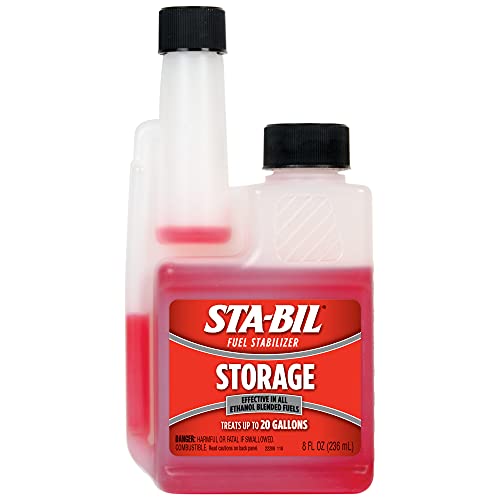
PRESERVES FUEL: This fuel stabilizer ensures keeps gasoline fresh for up to 24 months for storing vehicles that are not in use, boats, outdoor power equipment during winter months, or stocking up on fuel.
Why Ethanol Gas Spoils Faster Than Regular Fuel
Ethanol-blended gasoline spoils faster than regular fuel because ethanol is hygroscopic, meaning it actively pulls moisture from the air. This moisture absorption makes ethanol-heavy fuel more moisture sensitive, leading to phase separation when water levels become too high. During phase separation, the ethanol-water mixture sinks to the bottom of the tank, which can reduce octane levels and create a corrosive layer that may stall your engine. Additionally, ethanol accelerates chemical aging. Its tendency to absorb water promotes oxidation, forming gums and deposits more quickly than plain gasoline. As a result, ethanol-blended fuel typically deteriorates within one to three months, whereas regular gasoline can last between three to six months. High temperatures and humidity can cut these time frames even further. To prevent rapid spoilage, it’s essential to store fuel in a tight, dry container and keep it away from heat and moisture. Using a fuel stabilizer can help extend the life of stored gasoline by protecting against oxidation and moisture damage. Just as a Surge Protector can fail due to internal wear and environmental exposure, fuel storage equipment can also degrade and compromise the safety and effectiveness of the stored fuel. For example, using a jump starter with corroded or worn cables poses similar risks, as improper equipment care can lead to sparking or failure during use.
When to Toss Old Gas and How to Dispose of It Safely
If your gas smells sour or varnish-like, shows visible separation, or has been sitting unused for more than one season, it is time to discard it. Using degraded fuel can lead to engine deposits, hard starting, and poor performance. Always dispose of old gas through a local household hazardous waste program to protect the environment. Check your area’s regulations first, as disposal rules vary by city. Call the disposal site ahead of time to confirm hours and container requirements. Never pour gas down the drain, onto the ground, or into the trash. Instead, transfer the gas into a certified flammable-liquid container, seal it tightly, and keep it upright during transport. For best results when refueling equipment, consider using 10W-30 oil that is specifically rated for generators. Place the sealed container inside a second container to prevent spills. Follow the disposal site’s instructions closely to remain safe and compliant.
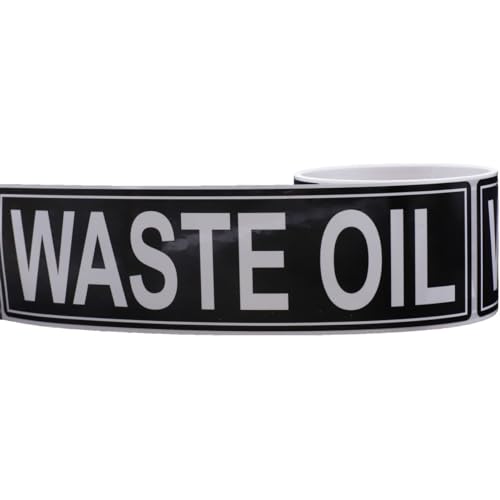
Premium Quality Fuel Tank Stickers: These waste oil stickers are composed of high-quality materials with a protective lamination. They ensure durability in any environment.


【Translucent Hard Case】This Travel Bottles for Toiletries with Translucent Case neatly organizes all four 2oz containers in dedicated slots, keeping them securely in place. Pack it with confidence – the impact-resistant design protects against pressure, so you never have to worry about leaks, spills, or stains ruining your belongings.