If you’re wondering whether you can safely mix diesel and kerosene, the answer is yes, but with caution. Mixing can help prevent fuel gelling in cold weather, as kerosene lowers the temperature at which wax crystals form in diesel.
However, too much kerosene can reduce lubricity and damage your fuel system.
In this article, you’ll learn the safe ratios and important tips to keep your engine running smoothly.
Yes, You Can Mix Diesel and Kerosene: Here’s How Safely
To safely mix diesel and kerosene, start with an 80/20 diesel-to-kerosene ratio for mild cold conditions. This blend helps prevent gelling without compromising engine performance. Never exceed 50% kerosene without approval from your equipment manufacturer, as higher concentrations can increase wear and reduce fuel efficiency. Add kerosene before gelling occurs—waiting too long may reduce the effectiveness of the mixture. Pre-mixing in a separate container ensures uniform blending and avoids uneven fuel distribution. Remember, blending kerosene with diesel alone isn’t enough; use appropriate fuel additives that enhance lubricity and cold-flow properties, similar to how Stabil Fuel Stabilizer is added to protect stored fuel from degradation. High-kerosene blends are more prone to causing engine wear and decreasing efficiency, so refrain from making modifications to offset these effects. Always follow your equipment maker’s guidance and clearly label storage containers to prevent misfueling. Keep an eye out for signs of engine trouble such as power loss or difficulty starting, which can indicate problems with your fuel blend. Regular testing of your starting battery can help identify early battery failure that may mimic fuel blend issues. For reference, top propane generators offer a safer, cold-weather alternative with fewer blending concerns.

EVERYDAY TREATMENT: Keep your diesel engine in top condition with our EDT that is designed to improve performance & maintain engine health. With regular use, you can ensure your engine runs smoothly & efficiently giving you peace of mind on the road.
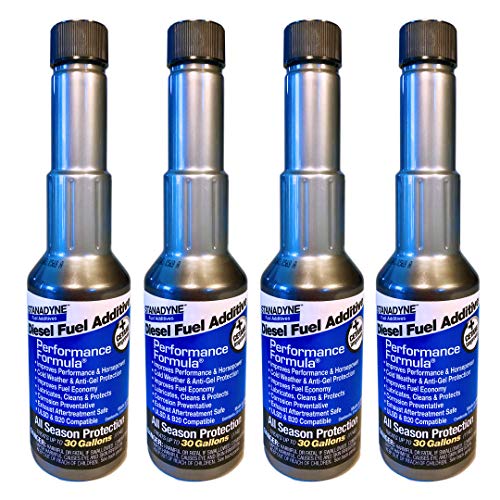
Improves Performance & Horsepower

EVERYDAY TREATMENT: Keep your diesel engine in top condition with our EDT that is designed to improve performance & maintain engine health. With regular use, you can ensure your engine runs smoothly & efficiently giving you peace of mind on the road.
Why Diesel and Kerosene Blend Together Without Problems
Because diesel and kerosene originate from the same petroleum family—both are middle-distillate fuels derived from crude oil—they blend together seamlessly. Their shared source means no phase separation or chemical reactions occur when mixed. With overlapping distillation ranges—roughly 150°C to 300°C for kerosene and up to 400°C for diesel—they can be combined in any ratio, such as 80/20 or 50/50, maintaining uniformity. This full miscibility ensures fuel stability in your tank, preventing separation over time. Additionally, since both fuels have similar energy content and combust readily in compression-ignition engines, you still achieve reliable combustion efficiency. The main concern when blending is not a chemical incompatibility, but potential lubricity loss, which can affect engine parts. Overall, blending diesel and kerosene is straightforward and safe, with no risk of mixture-induced instability. For those seeking similar fuel mixing guidance, a portable generator review often highlights fuel compatibility for optimal performance.

EVERYDAY TREATMENT: Keep your diesel engine in top condition with our EDT that is designed to improve performance & maintain engine health. With regular use, you can ensure your engine runs smoothly & efficiently giving you peace of mind on the road.

COMPLETE FUEL SYSTEM CLEANER: Diesel Extreme works through your entire fuel system removing harmful deposits, water, and sludge while improving cetane for smoother, more efficient combustion.

Vendor Part Number: 17143
Why Cold Weather Is the Best Reason to Mix Diesel and Kerosene
Cold weather is the primary reason to mix diesel with kerosene because it directly prevents fuel gelling and waxing during low temperatures. As temperatures fall, paraffins in diesel crystallize and can clog filters, cutting off fuel flow to your engine. Adding kerosene dilutes the wax-forming molecules, significantly improving cold-flow properties. Typically, each 10% kerosene addition lowers the cold filter plugging point (CFPP) by about 3°F, ensuring reliable performance in temperatures down to -20°F or colder. It’s important to blend proactively before the diesel gels to protect your system, as waiting until gelling occurs can cause engine failure. Keep in mind, kerosene costs more and has lower energy content than diesel, but these trade-offs are worth it to avoid a frozen engine in winter. In contrast, selecting the best deep cycle battery for your camper avoids fuel-related winter issues altogether, though it comes with its own considerations for capacity and lifespan. When temperatures drop, controlling fuel flow is critical. For comparison, home battery backup systems avoid fuel gelling entirely but have different trade-offs in running cost and lifespan.

Improves fuel efficiency

EVERYDAY TREATMENT: Keep your diesel engine in top condition with our EDT that is designed to improve performance & maintain engine health. With regular use, you can ensure your engine runs smoothly & efficiently giving you peace of mind on the road.

EASY USE AT EVERY FILL-UP: Add directly to the fuel tank at each fill-up. The long neck and measuring chamber make treating fuel simple. One 40 oz bottle treats up to 400 gallons
Safe Diesel and Kerosene Blends: What Ratios Actually Work
Ratios between 80/20 and 70/30 diesel to kerosene are ideal for most cold conditions. An 80/20 blend effectively lowers the cold flow plugging point by approximately 3°F for every 10% increase in kerosene, making it suitable for mild cold scenarios. For more severe cold near -10°F, a 70/30 mix can be used without significantly compromising fuel stability. When temperatures drop as low as -20°F, a 50/50 blend becomes necessary, but it requires careful handling to maintain reliability. Combining lighter blends with additives enhances cold performance while preserving fuel stability better than heavier kerosene ratios alone. Always tailor your blend to the anticipated lowest temperature rather than following a universal standard to ensure engine operation remains reliable without overly diluting the diesel. Understanding generator fuel types for safe use is essential before attempting any fuel mixing to avoid improper fuel selection.

PREVENTS GELLING: This 7-in-1 diesel anti-gel additive minimizes the size of wax crystals that form in diesel fuel during cold weather allowing the fuel to travel through the fuel filter at 20°F below the cloud point (wax solidification point).

Contains Real water dispersants to effectively remove moisture from the entire fuel system

PREVENTS GELLING: This 7-in-1 diesel anti-gel additive minimizes the size of wax crystals that form in diesel fuel during cold weather allowing the fuel to travel through the fuel filter at 20°F below the cloud point (wax solidification point).
The Lubricity Risk: How Too Much Kerosene Wears Out Injectors
Kerosene’s lower lubricity directly threatens your fuel system’s longevity. Unlike diesel, kerosene lacks the natural lubricating compounds necessary for protecting high-pressure pumps and injectors. Relying on this thinner fuel film increases the risk of metal-on-metal contact, especially in modern common-rail engines with tight tolerances. Over time, this reduced lubrication accelerates wear, leading to injector issues such as nozzle scoring and pump damage. A propane gas regulator similarly controls the flow of a fuel under pressure, but with different requirements for safety and component protection. Warning signs include hard starting, rough idling, and a decline in power. Exceeding safe kerosene levels without adding a lubricity additive puts your fuel system at significant risk of costly repairs. Storing liquid fuels like kerosene safely requires ventilated storage locations away from heat sources and ignition. For comparison, when selecting equipment for a camping adventure, a portable power station can ensure reliable backup energy for charging tools and accessories.

DESIGNED TO EXCEED EXPECTATIONS: Red Line complete SI-1 fuel system cleaner is a premium fuel additive, providing an effective fuel treatment solution to clean and prevent corrosion in fuel systems.

DESIGNED TO EXCEED EXPECTATIONS: Red Line complete SI-1 fuel system cleaner treatment for cleaning and preventing corrosion in fuel systems
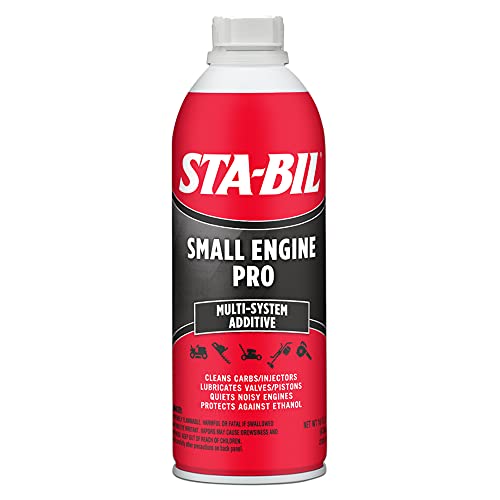
Clean and improve your fuel system with Small Engine Pro, a gasoline/oil additive that helps restore lost engine power and performance, by cleaning out gum and varnish
When You Should Never Mix Diesel and Kerosene
You should never mix diesel and kerosene without strict controls. Using unapproved blends in modern high-pressure diesel systems can cause serious issues because their tight tolerances make them vulnerable to chemical incompatibility. This can result in poor engine starting, unstable operation, or even damage to fuel system components. For a camper, selecting a portable generator designed for the specific fuel type avoids many of these compatibility risks.
Legally, overusing kerosene as a fuel substitute is considered misfueling, not just normal handling. Most vehicle or fleet specifications limit the diesel-to-kerosene ratio—commonly to 80/20 or less—and exceeding these limits violates regulations. Never attempt to use kerosene as a replacement once fuel has gelled; proper pre-planning with approved cold-weather treatments is essential.
Handling kerosene and diesel together also introduces fire and vapor hazards. Always eliminate ignition sources, ensure proper ventilation, and contain spills securely. The only time blending is permissible is when specified by OEM or regional winter-blend guidelines. For reference, a similar generator interlock kit installation requires strict adherence to local codes to prevent hazards. Otherwise, mixing fuels without strict controls poses unnecessary safety and mechanical risks.