Ever wonder how a gas generator keeps your lights on during a power outage? It works by burning fuel like natural gas or propane inside an engine, creating the energy needed to turn a generator.
This process produces electricity that can safely power your home. Keep reading to see exactly how these parts work together to provide reliable backup power.
How a Gas Generator Turns Fuel Into Power
A gas generator converts stored chemical energy in fuel into electricity through a straightforward process. You start with fuels like natural gas, gasoline, or propane. The engine burns the fuel, releasing energy that produces mechanical rotation. This rotational motion powers the alternator, which then generates alternating current (AC) through electromagnetic induction. In other words, the generator transforms chemical energy into mechanical energy, and then into electrical energy. For example, when using propane, selecting top propane tanks ensures quality and performance for reliable fuel delivery. Controlling fuel input carefully is crucial to maximize fuel efficiency and maintain a steady power output. For sustained operation, pairing the generator with durable deep-cycle batteries helps maintain a consistent electrical supply during startup surges. Regular maintenance keeps the engine operating smoothly, ensuring that energy transfer remains effective. Testing these batteries for voltage and capacity is essential to confirm they can still hold a charge and support the generator’s startup demands. The result is reliable power that can support your lights, appliances, or critical equipment, whether for backup purposes or primary use.

The extra 12 feet allows you all the length you need to connect your LPG tank to your power source with no performance reduction

PRESSURE REGULATION: The two-stage propane regulator reduces fluctuations in gas pressure, ensuring that gas can be supplied to the equipment or system at a stable pressure.
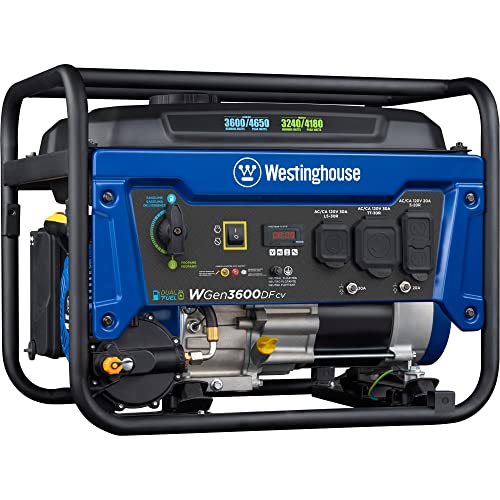
4650 Peak Watts & 3600 Rated Watts (Gasoline); 4650 Peak Watts & 3240 Rated Watts (Propane); 4 Gallon Fuel Tank (with Fuel Gauge); Up To 14 Hours of Run Time Per Tank
Inside the Four-Stroke Cycle of a Gas Generator Engine
The four-stroke cycle in a gas generator engine consists of four distinct steps: intake, compression, power, and exhaust. During the intake stroke, the piston moves down, drawing in an air-fuel mixture as the intake valve opens; proper valve timing ensures maximum efficiency. Next, the piston rises with both valves closed, compressing the mixture to increase its pressure and temperature. When the mixture reaches peak compression, a spark ignites it, causing a rapid expansion that drives the piston down in the power stroke—this is the only stroke that produces useful work. Finally, the exhaust valve opens, and the piston pushes out the burned gases, completing the cycle. The piston mechanism precisely coordinates each movement, with accurate valve timing preventing backflow and maintaining continuous power output at high speeds. Key differences in power inverter technology also affect how this mechanical energy is converted into usable electricity. Adding a whole house surge protector can shield the generator’s sensitive electronics from voltage spikes. For portable generators, an inverter ensures consistent AC power output despite these mechanical fluctuations.
How a Gas Generator Alternator Creates Electricity
No direct contact occurs between the rotor and the stator; instead, the motion of the magnetic field itself cuts across the conductors in the stator. This process converts the mechanical energy of rotation into alternating current (AC) electricity. The speed at which the rotor spins determines the frequency of the generated AC power, making rotor dynamics crucial for maintaining consistent electrical output. This is essentially the same principle used in power inverters to convert DC to AC. Maintaining a stable engine speed is therefore critical for the alternator to produce reliable power. Properly covering the generator in rain protects this sensitive electrical system from moisture damage.

【Dimensions】Generator cover measures is designed to fit most universal generators for 5000w -10000w gas generator or inverter generator.The Rimwig generator cover give your generator all around protection to against sun, rain, snow, wind, dust and dirt. Please measure your generator before purchasing.

THE IGAN ADVANTAGE – RELIABLE PROTECTION IN ANY WEATHER: Run your generator safely in rain, snow, high winds, or wet conditions. Designed for maximum durability, so your generator stays protected no matter the weather.

【Durable fabric】The outdoor generator cover for your heavy duty equipment is made of black 600D Oxford tarp fabric with PUC coating, which is 100% waterproof, dustproof, and weatherproof.Used for running or storing equipment
How Voltage Regulators and Transfer Switches Manage Output
Voltage regulators and transfer switches serve different but essential roles in managing your generator’s power output. A voltage regulator keeps the voltage within safe limits by sensing the output voltage and comparing it to a reference. It then adjusts the excitation current accordingly as loads change to prevent voltage drops or overshoots that could damage your equipment. Load changes are the primary driver of these adjustments; for example, adding a load may cause a brief voltage sag, which the regulator promptly corrects to maintain stability. An automatic transfer switch ensures that power flows safely by disconnecting utility lines before generator power connects.
In contrast, a transfer switch does not regulate voltage quality. Its main function is to control where the power flows. An automatic transfer switch disconnects your building from utility power during an outage and ensures the generator power is safely connected. It reconvenes the connection only after utility power stabilizes and a preset delay expires, preventing both sources from being connected simultaneously. This switch protects against backfeeding and ensures safe, seamless switching between power sources. Specifically, such a switch, like the QHHR model, handles up to 1800 watts and switches in less than 30 milliseconds for rapid and safe power transfer.

Functions and Features: 100a 2p dual power auto transfer switch W2R is a PC-level infrequent switching switch, mainly used for automatic or manual conversion of two power supplies, and can test whether the common power supply or backup power supply is normal. When the common power supply A is abnormal, the backup power supply B is quickly switched and put into use within 0.05 seconds to ensure the continuity, reliability and safety of power supply. When the common power supply returns to normal, it automatically switches from the backup power supply to the common power supply. Both power supply A and power supply B can be connected to the mains/generator/photovoltaic, with four wiring.

【CONVERSION FUNCTION】: The automatic transfer switch seamlessly transitions between power sources, ensuring continuous power supply during power outages, thereby protecting your appliances and eliminating downtime

WHOLE-HOME AUTOMATIC STANDBY BACKUP: Monitors utility power continuously and transfers your entire 200-amp home electrical load to a compatible Generac standby generator automatically, with no manual action needed
Key Parts of a Gas Generator: Engine, Alternator, and Cooling
The three key parts of a gas generator—the engine, alternator, and cooling system—must work together to produce reliable power. The engine burns fuel to generate rotary motion, which is essential for power output. Regular maintenance such as checking oil and air filters ensures efficient combustion and prevents excess waste heat that could damage the system. The engine’s water-cooling loop transfers this heat away through a pump and radiator, maintaining optimal operating temperature.
The alternator converts the engine’s shaft motion into electricity. Proper maintenance of bearings and windings ensures consistent voltage and current quality. To prevent overheating during heavy loads, the alternator uses a fan that draws air over its stator and rotor. Like a diesel generator, a gas generator relies on the same electromagnetic induction principle to convert mechanical energy into electrical power. When these three components operate harmoniously, the generator delivers stable, continuous power suitable for demanding applications. For those seeking top-rated models, comparing generators on quality, performance, and value helps ensure a reliable investment.


Additive ensures quick easy starts after extended storage

[Multipurpose Use] - Suitable for steam emission, oil cooling, and for fuel systems in car, automotive, motorcycle, trucks, generators, lawn mowers, trimmers, and more.
How Natural Gas Generators Deliver Backup Power During Outages
Natural gas generators automatically activate during power outages, ensuring a reliable backup supply. When the utility power fails, the automatic transfer switch detects the loss of voltage and signals the generator to start. After a brief pause to filter out electrical flickers, the generator begins running, verifies its stable speed, and connects to your home within seconds. The transfer switch then disconnects you from the grid, preventing dangerous backfeeding, and critical appliances like refrigeration and HVAC remain powered. According to Top Generator Reviews, these models are often praised for their superior quality and performance compared to portable options. For steady operation, a quality fuel source paired with a propane tank gauge ensures you can monitor supply levels accurately. If you also maintain a propane backup tank, you should store it in a well-ventilated outdoor area away from ignition sources.
Because the generator draws fuel directly from the utility gas line, you don’t need to worry about refueling. You can operate continuously during extended outages as long as gas service continues. However, it’s vital to maintain the fuel line, since a blocked line can halt the entire system. Proper installation that incorporates noise reduction features helps keep your system quiet and unobtrusive. When utility power resumes and stabilizes, the transfer switch reconnects your household to the grid. The generator then cools down and shuts off automatically, ready for the next outage.
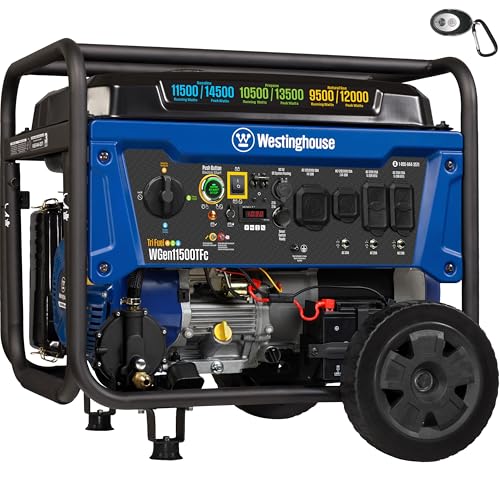
Perfect as a backup power source for larger homes or a dependable source of portable power
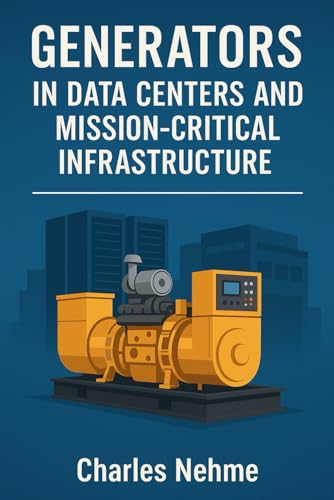

Whole House Protection: Keep your family comfortable and connected during power outages. Avoid the disruption of losing refrigeration, heating/cooling, lights and connectivity of your devices with a Home Standby Generator that automatically detects an outage and delivers backup power to your home.