Wondering how much propane your generator will use? Whether you have a small inverter unit or a larger standby model, propane consumption varies with size and load.
It ranges from about 0.3 gallons per hour for small, light-load generators to over 4 gallons for larger, full-load units.
Keep reading to get precise figures tailored to your generator.
Propane Use Rates by Generator Size and Load
Because propane consumption scales nearly linearly with electrical load, your generator’s size and operating load are the two most significant factors affecting fuel use. Matching your generator to your actual power needs improves fuel efficiency. Running a generator at a load that is too low for its size causes inefficient fuel use; for example, a 20 kW unit operating at only 25 percent load consumes more fuel per watt than a properly sized 10 kW unit running at half load. For similar reasons, battery testing can reveal when a deep cycle battery’s capacity has degraded, making replacement more efficient than continued repair. A small 3 to 4 kW inverter generator uses only about 0.3 to 0.6 gallons of propane per hour at light loads. In comparison, a 14 kW standby generator consumes around 1.67 gallons per hour at light load and about 2.71 gallons at full load. Larger 20 kW models usually use between 2 and 2.5 gallons per hour at 50 percent load, increasing to 3.5 to 4 gallons per hour at full load. Always remember, every watt you draw costs you fuel, so choosing a generator size that aligns closely with your power needs helps minimize consumption and expense.
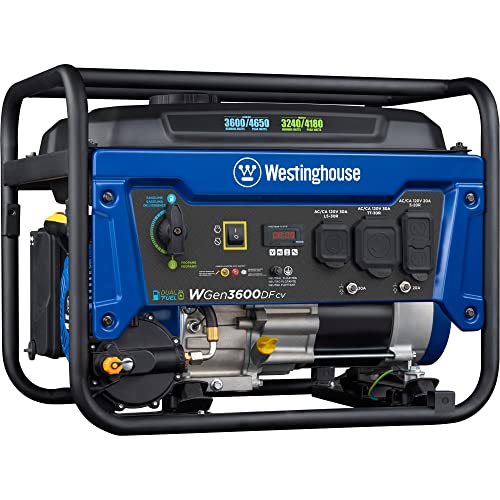
4650 Peak Watts & 3600 Rated Watts (Gasoline); 4650 Peak Watts & 3240 Rated Watts (Propane); 4 Gallon Fuel Tank (with Fuel Gauge); Up To 14 Hours of Run Time Per Tank
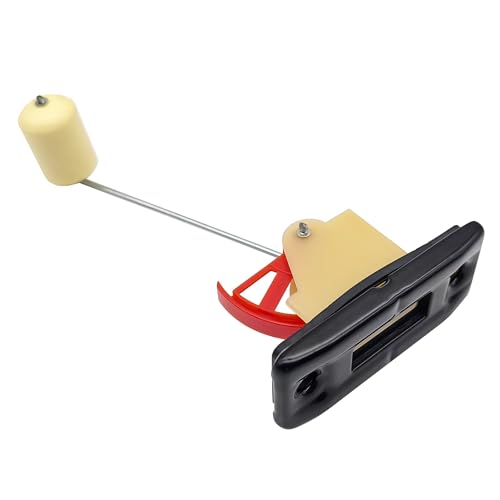
Replaces Part#: 17630-Z22-030 17630-Z22-020 17630-Z22-010 17630-ZR6-003 17630-Z22-000 17630-Z11-A31 0G84300102 0H1345G.

TKCBCD Generator Fuel Level Gauge Compatible with Honda EB3800 4000 5000 6500 10000 EM3800SX 4000SX 5000SX 6500SX EG4000CL 5000 6500 EU6500I 7000IS Compatible with Honda GX160 GX270 GX390 2 kw 2.5 3 5 6.5 7 8KW, 173F 177F 182F 188F 190F China gasoline generators, also fits for 178F 178FA 186F 186FA diesel generators
How Long a 500-Gallon Tank Really Lasts
At 2 gallons per hour, your 500-gallon tank lasts about 250 hours, or roughly 10.5 days. This calculation assumes a steady consumption rate, making it useful to estimate how long your supply will sustain your needs. Propane generators vary widely in their fuel efficiency, so checking performance and value ratings can help you choose a more economical model. Increasing the flow rate to 3 gallons per hour reduces the runtime to approximately 167 hours, or about 7 days. At 4 gallons per hour, expect around 125 hours of operation, which is just over 5 days.
For a typical 22 kW standby generator operating at half load, you can expect it to run for approximately 165 to 220 hours, or about 7 to 9 days, depending on actual load and tank conditions. Always remember to base your estimates on the actual flow rate and total tank capacity, which in this case is 500 gallons, to get an accurate forecast of how long your fuel will last. To optimize fuel efficiency, you might pair your generator with an inverter for portable setup that adjusts engine speed to match the actual load. Proper maintenance, including using high-quality oil like a 10W-30 rated for generator engines, can also help sustain consistent consumption rates over time.
Why Your Generator’s Actual Fuel Use Differs From Charts
Your generator’s actual fuel use will almost always differ from chart estimates because those charts provide only a snapshot based on ideal, steady loads at specific percentages like 25%, 50%, or 100%. In reality, your load varies constantly, with surges from starting motors or HVAC spikes pushing fuel consumption well above the chart averages. For instance, a unit that burns 2.1 gallons per hour at 50% load may spike to 3.4 gallons per hour at full capacity.
Manufacturer tests are conducted under perfect conditions that don’t account for your setup, so the actual fuel efficiency will often be lower. Weather factors also matter—cold temperatures and high altitudes cause your engine to work harder, which increases fuel use. Additionally, components like worn spark plugs or dirty filters reduce combustion efficiency, meaning your generator rarely matches the performance seen in test environments.
How to Estimate Your Generator’s Exact Gallons Per Hour
To estimate your generator’s exact gallons per hour (GPH), start with its rated kilowatt output and the actual load percentage it is running at. Load variability is the key factor because the fuel consumption changes depending on how much power your generator is using. For example, a 50% load will use less fuel per hour than a 75% or 100% load. Use published consumption charts specific to your generator model at the corresponding load band to find an accurate GPH estimate. Popular camping generators often publish fuel efficiency data for loads under 2000 watts.
If no chart is available, you can apply the formula: GPH equals the generator’s kilowatt rating multiplied by the load percentage and the heat rate, divided by 91,500. The heat rate refers to how efficiently your engine converts fuel into electricity, typically expressed in BTU per kWh. It’s important to match your load percentage to the closest published figure—such as 25%, 50%, 75%, or 100%—for a better estimate. Keep in mind that ambient conditions like temperature and altitude can influence actual consumption, so view your calculation as an operating estimate rather than an exact figure. To ensure you have sufficient fuel, round the GPH upward, especially when planning for extended use.
5 Ways to Reduce Propane Consumption Under Partial Load
To reduce propane consumption under partial load, you should first minimize electrical demand. Turn off non-essential circuits and cycle large loads like water heaters instead of running them continuously. This approach directly lowers fuel consumption by decreasing the generator’s burn rate.
Maintain your generator’s operation within the efficient range of 50% to 80% of its rated capacity. Running a generator at very low loads leads to poor fuel efficiency because fixed engine losses become a larger proportion of total output. For example, a 20 kW unit operating at 25% load consumes more propane per kilowatt-hour than at 75% load.
Ensure your generator is properly sized for your typical load profile. An oversized generator will burn extra propane during small loads. Use load management techniques such as staggering motor-driven appliances to prevent sudden surges and keep overall consumption low. Adding a fuel stabilizer to stored propane is unnecessary, but maintaining clean engine components is essential for efficient partial-load operation. Understanding the difference between starting watts and running watts is critical to avoid oversizing the generator, which directly wastes propane.
If your generator supports it, enable eco mode, which optimizes fuel use during partial loads. Avoid unnecessary idling and plan outages to run with the smallest practical load, monitoring actual usage instead of assuming a full load. Choosing a model that excels in portable power station comparisons can help you avoid an oversized unit that wastes fuel. These habits help extend runtime and minimize propane waste.

【Powerful Engine】The generator is powered by a 223cc OHV engine.With Gasoline: Peak Wattage-4800 watt, Running Wattage-3500 watt. Two generators can be used in parallel, use a parallel kit(need purchase separately) enables this generator to connect with our another generator to double your output.

𝗣𝗼𝘄𝗲𝗿𝗳𝘂𝗹 𝗢𝘂𝘁𝗽𝘂𝘁 - 4400 peak watts and 3400 running watts, perfect for RV camping and home backup

【Extened Runtime】: This protable generator comes with 1.85-gallon fuel tank, allows for up to 18 hours of operation at 25% load, with parallel function and ECO mode, providing long-lasting power. perfect for RVs, camping, home backup emergency.