If you’re wondering where to find kerosene when you need it most, it’s typically available at gas stations like Sunoco, Speedway, Shell, or Citgo—especially during colder months.
Prices usually range from $4 to $6 per gallon, and it’s important to check that the label says K-1 or 1-K for quality.
Keep reading for all the tips you need to safely buy, transport, and store kerosene.
Why Gas Stations Are a Top Pick for Pump Kerosene
Since you’re already stopping at a gas station for fuel, checking if they carry pump kerosene can save you a separate trip. Look for it at select locations of chains like Sunoco, Speedway, or Citgo, but don’t assume it’s available everywhere. Use the station’s online locator and filter for kerosene first. Always call ahead to confirm if they have it in stock and whether the pump is operational, since online info can be outdated. When handling any fuel container, remember that propane tank explosions are a rare but serious risk that requires storing containers away from heat sources. The largest portable generators often run on similar fuels, making kerosene a critical backup fuel for powering essential equipment during outages. Additionally, for trucks that carry heavy electrical loads, a top power inverter is essential to safely convert battery power for running tools and appliances.
When you find it, the cost usually ranges from $4 to $6 per gallon. This often makes it the most affordable option compared to specialty retailers. Be sure to bring an approved container that’s designed for fuel storage. Prioritize fuel quality by choosing stations with well-maintained pumps and visually clean dispensers. To keep your kerosene fresh and uncontaminated, store it in a clean, sealed container away from direct sunlight, which can cause degradation between uses.

Suitable for storing liquid alcohol, petrol, kerosene and other liquid fuels.

SAFER FLAMMABLE LIQUID STORAGE: Designed for the safe storage, transport, and dispensing of flammable liquids, this Type I safety can reduces fire hazards while supporting safer fuel handling in industrial facilities, workshops, and maintenance operations

5 Gallon Capacity: This Type II utility container offers a generous 5-gallon capacity, providing dependable storage space for a wide range of household, workshop, indoor, and outdoor needs.
K-1 vs. 1-K: What the Label Means Before You Buy
Fuel quality is determined primarily by the label. For 1-K fuel, look for a sulfur limit of just 0.04%, which indicates it burns cleaner and produces less odor and soot—especially important for unvented heaters and lamps. Always check the container for the ASTM D3699 reference to confirm it meets standard specifications. Don’t evaluate fuel purity by color alone; compliance with sulfur limits and standards matters far more. Buying the wrong grade can lead to poor performance and increased smoke emissions. Make sure to verify the posted sulfur limit of 0.04% and read the label carefully before purchasing to ensure your appliance receives the right fuel. For portable equipment, consider that a portable generator inverter might also rely on clean fuel for optimal performance and reduced emissions. Similarly, using a 10W-30 oil certified for generators ensures proper lubrication and engine protection under varied loads.
Hardware Stores That Sell Kerosene (Home Depot, Lowe’s, Tractor Supply)
Home Depot and Tractor Supply are the most likely hardware stores to have kerosene in stock. At Home Depot, you can find Klean-Strip and Sunnyside brands in 1-gallon to 5-gallon sizes. Availability varies by location, so checking online for local inventory can save you a trip. Tractor Supply offers Crown 1-K fuel in 1-gallon and 5-gallon jugs, with the 5-gallon option priced at $59.99. Both retailers primarily stock kerosene suitable for heaters and lamps, allowing you to compare brand options and prices easily. Lowe’s currently does not list kerosene, so it’s best to skip that store for this product. For powering inverters, you may want to consider deep cycle batteries as an alternative energy source. Always verify that the kerosene you purchase is 1-K grade fuel for the cleanest burn in your equipment. A typical deep cycle battery offers 50 to 100 amp-hours of usable capacity, which can support moderate inverter loads for several hours without needing fuel.

Convenient One Gallon Bottle: This lamp oil arrives in a 1 gallon safely sealed jug with secure cap, preventing nasty spills or accidents during transit

K-1 kerosene heater fuel in metal F-style cans. The closure is child-resistant and each can is fitted with a flame mitigation device conforming to ASTM F3429/F3429M-24.

K-1 kerosene heater fuel in metal F-style cans. The closure is child-resistant and each can is fitted with a flame mitigation device conforming to ASTM F3429/F3429M-24.
When to Order Online for Kerosene Backup
Ordering online for kerosene is best done as a planned backup rather than a last-minute fix. You should place your order before your tank reaches a critically low level because delivery times can range from 24 hours to 10 days. To avoid gaps in heating, aim to order at least 48 to 72 hours in advance, especially in case of emergencies. Keep seasonal demand in mind—winter spikes from October to March tend to lengthen lead times, while off-peak seasons like late spring or summer offer shorter delivery windows. Always compare delivery promises with your burn rate and avoid relying solely on the fastest advertised options. Maintaining a buffer that covers the longest possible delivery window ensures you stay warm even when severe weather strikes unexpectedly. When choosing your kerosene supplier, look for providers who also offer top propane tanks for quality and performance, as this signals a reliable inventory and supply chain. Reordering ahead of time prevents scrambling during cold snaps.

Durable Construction: Built from 0.9mm cold-rolled steel with anti-corrosive coating, this 5-gallon metal gas can is designed for long-lasting performance in tough conditions.
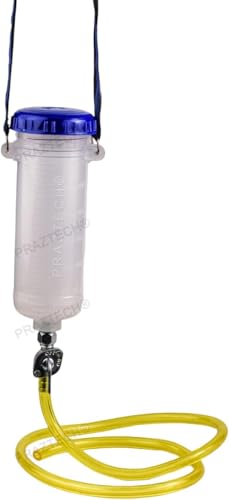
TEMPORARY FUEL SUPPLY FOR ENGINES: This auxiliary fuel tank provides a convenient temporary fuel source when the original fuel tank is removed, disconnected, or difficult to access. Suitable for carbureted motorcycles, bikes, cars, ATVs, generators, small engines, machinery, and other compatible equipment.

【Extra-Large Capacity, Durable Material】The 15-gallon (57-liter) high-capacity fuel storage tank is constructed from high-density polyethylene (HDPE), featuring UV resistance, corrosion resistance, and scratch resistance. It ensures long-term, safe diesel storage in harsh environments, meeting the backup fuel needs for multiple pieces of equipment or vehicles.
Pump vs. Pre-Packaged Kerosene: Which Is Cheaper?
Pump kerosene generally costs between $4 and $6 per gallon, making it the cheaper option overall. This lower price results from bulk sales at fuel stations, which eliminate packaging and handling costs. Pre-packaged kerosene, on the other hand, can cost $10 to $15 per gallon—that’s roughly two to three times more. The higher price reflects the convenience of purchasing in smaller, ready-to-use containers, along with packaging expenses. Seasonal demand, supply disruptions, or local scarcity can cause pump prices to rise, so always compare the per-gallon cost before purchasing. When buying in bulk, your savings increase the more frequently you need kerosene for heating or appliances. For those seeking a more sustainable approach, you might consider building your own solar panel as a long-term energy solution. Overall, if you’re looking to save, pump kerosene is the more economical choice—pre-packaged fuel is convenient but comes at a steep premium. Similarly, when evaluating a purchase, you might consider the quality, performance, and value of portable power solutions as a cost-effective alternative. Investing in a whole house generator can eliminate fuel purchasing entirely while providing reliable backup power.
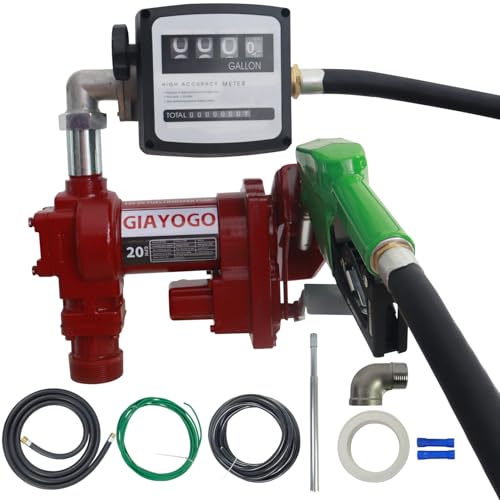
NOTICE: If the pump does not respond or does not work after being powered on, please immediately unplug the power cord to prevent the motor from overheating and burning out. Typically, the issue is due to the pump head scraper being stuck. You can disassemble the pump head, rotate the rotor, and remove the blockage. Alternatively, you can leave us a message immediately, and we will provide you with a solution promptly.

ALL-IN-ONE AUTO-STOP AND HAND NOZZLE: Different from other pumps with only single auto-stop or single manual nozzle, this pump intergrated the auto-stop and sturdy hand nozzle smartly, you could easily start or stop the transfer at any time, you could transfer any volume you want by nozzle or hand-free for full by auto-stop function.This fuel transfer pump with sensitive auto-stop sensor will stop the flowing timely when the fuel full, with the enhancing rubber ring inside the pipe, no worry about the leak and overflow any more, clear and safe.

【Check Before Buying】Battery is not included. This fuel transfer pump is designed for DeWalt 20V MAX battery users. Make sure your fuel can opening is wider than 1.42 in / 36 mm so the intake pump head can fit properly.
How to Use Station Locator Tools to Find Kerosene Near You
To find kerosene nearby, start with the official locator tools provided by fuel brands, such as Sunoco’s. These tools allow you to search specifically for kerosene by selecting “Kerosene” from the available fuel options. Enter your city or ZIP code to generate a list of nearby stations. Use the digital map to review the results: look at the pins, compare distances, and prioritize stations that clearly list kerosene as a fuel type. Just as you would test battery capacity to ensure a deep cycle battery holds a proper charge, you should verify the kerosene listing is legitimate before driving to the station. Once you identify potential stations, verify the details on each listing. Check the station’s webpage or info panel to confirm kerosene is available, and note the address, hours, and contact number. To increase your chances of success, cross-check multiple locator tools or fuel maps. This way, you can cover more ground and improve your odds of finding a station that sells kerosene near you. If you are handling old fuel, always follow safe disposal methods to avoid fire hazards or environmental damage.

5 gallon (20 liter) capacity provides ample room for storage and transfer of liquids

30 Gallon Large Capacity Fuel Caddy This 30-gallon portable fuel caddy provides generous fuel storage for gasoline, diesel, and kerosene, ideal for cars, boats, ATVs, mowers, generators, farms, construction sites and marine use.

EASY TO POUR GAS CAN – 5-gallon fuel container with additional rear handle for easy refilling of lawnmowers, chainsaws, yard tools, recreational vehicles, ATVs, motorcycles, and other gas-powered equipment
Why Calling Ahead for Kerosene Can Save You a Trip
Calling ahead for kerosene ensures you won’t waste a trip. A quick phone call confirms if the station currently stocks kerosene, saving you from driving to a location that might be out of stock or have their pump offline. Locator tools can be unreliable—they often miss seasonal changes or sold-out pumps, so double-check directly with the station. During the call, ask about current pricing, as signs can be outdated. It’s also helpful to inquire about fuel quality, especially if stores mix grades or sell off-spec products. Confirm that the pump is operational, ask if they accept your payment method, and verify they have enough kerosene for your needs. Similarly, if you own a backup generator that uses propane, knowing the 100 lb propane tank capacity can help you plan refills and avoid running out. If you also use a battery charger for your generator, understanding what AGM mode does can help you maintain your starting battery properly. Spending five minutes on a call can prevent you from arriving at a closed station or an empty tank, making your refill quick and stress-free. For urgent heating needs or critical refills, calling first is especially smart. It ensures you know exactly where to go and what to expect, turning a simple errand into a smooth, reliable stop.
How to Transport Kerosene Safely and Legally
To transport kerosene safely and legally, use only Department of Transportation (DOT)-approved containers. Since kerosene is classified as a hazardous material (UN1223), proper container selection is crucial. Ensure your containers are labeled clearly with “KEROSENE” in large letters; in Illinois, this means using a blue can. Avoid mixing kerosene with other liquids or using multi-purpose containers—dedicate the container solely to kerosene. For optimal safety, consider using a surge protector to prevent electrical fires when powering pumps near stored fuel. For long-term storage, always keep your kerosene container in a well-ventilated outdoor area away from any ignition sources.
Secure the containers upright to prevent tipping or sliding during transport. Keep individual containers under 8.45 gallons to comply with consumer transportation limits. If you are using a cargo tank, display the appropriate “1223” hazardous materials placard on the vehicle. During loading and unloading, attend the vehicle at all times to monitor the process. Additionally, disconnect any electrical power to pumps or equipment to eliminate ignition risks during transit. For final disposal of a damaged container, follow the same safe disposal steps used for propane tanks to avoid hazardous waste violations.
How to Store Kerosene at Home Without Risks
To store kerosene safely at home, use only approved metal or thick plastic containers specifically designed for flammable liquids. These containers prevent leaks and help limit vapor release, reducing environmental risks. After each use, tightly seal the caps and label the containers clearly to prevent mix-ups. Place them upright in a cool, dry, well-ventilated area away from heat sources, sparks, or sunlight. A locked shed or dedicated flammables cabinet is ideal. Keep only enough kerosene for your immediate needs—storing small quantities minimizes vapor buildup and fire risk. For engines that sit unused, adding a fuel stabilizer can help prevent fuel deterioration and maintain performance. Regularly inspect containers for cracks or rust, and keep absorbent spill supplies nearby to quickly contain any leaks, protecting your home and water sources from contamination.
Which Gas Stations Sell Kerosene (and Which Don’t)
Not all gas stations sell kerosene, and availability varies by chain and location. Sunoco, Speedway, and Shell often stock K-1 kerosene, but only at specific locations—check ahead before your visit. ARCO and Citgo are reliable options particularly in western regions. In contrast, avoid relying on Chevron, Kwik Trip, Phillips 66, QuikTrip, and Circle K for kerosene, as they generally do not carry it.
Your best bet is to visit highway travel centers or rural stations, where kerosene pumps are more common. Use the store locator tools on brand websites and filter for kerosene. However, always call the station ahead to confirm availability, especially during seasonal changes when stock can fluctuate.