Wondering whether you should use an extension cord or a surge protector? The answer depends on what you’re powering and how long you’ll need the setup.
An extension cord is great for temporary tools or lights.
A surge protector shields sensitive electronics like computers and TVs from voltage spikes.
Keep in mind, never plug a surge protector into an extension cord—it’s a fire hazard.
Below, you’ll find all you need to know to choose safely and effectively.
Extension Cord vs. Surge Protector: What’s the Real Difference?
A standard extension cord simply extends your outlet’s reach without offering any protection against power surges. It provides a convenient way to plug in devices farther from the wall, but it does not regulate or defend your electronics from voltage spikes. In contrast, a surge protector actively safeguards your gear by diverting excess voltage away from connected devices and maintaining stable voltage levels. Unlike power strips that only offer additional outlets, these protectors typically have a higher joule rating that determines how much energy they can absorb before failing.
One important difference is plug compatibility: extension cords have three-prong ends designed solely for extending reach, while surge protectors rely on being plugged directly into a grounded outlet. Connecting a surge protector through an extension cord defeats its safety function because it disrupts the protective grounding. For sensitive electronics, always use a surge protector plugged directly into a grounded wall outlet. For generator users, a fuel stabilizer can also protect equipment by preventing fuel degradation during storage. Similarly, locating a kerosene heater in a well-ventilated area is a key safety rule for fuel-burning devices. When you need only temporary extension for low-power devices, an extension cord suffices. However, for valuable or delicate equipment, choosing a true surge protector is the safer bet to prevent damage.
How to Spot a Fake Surge Protector in a Power Strip
To identify a fake surge protector in a power strip, start by examining the certifications. Genuine models display the UL 1449 mark, not just a generic “UL Listed” sticker. Check the packaging for missing standard numbers, which is a common sign of counterfeits. A real surge protector will also have a joule rating—if it’s absent, the device is likely just a basic power strip without surge protection. For context, a genuine inverter for a portable generator often includes a similar UL certification mark to ensure safety and performance, just as a legitimate surge protector must have a proper UL 1449 rating to be trusted. For example, when choosing between chargers, you should compare the top options to find the best fit for your vehicle.
Inspect the label closely for details like clamping voltage or the phrase “Surge Protection.” Vague or unprofessional marketing language should raise suspicions. Look at the indicator lights; a legitimate surge protector typically has a “Protected” light that remains lit when it is functioning. If you only see an on/off switch without any protection indicator, it is probably a fake.
Further, review the device for misspelled words or missing manufacturer information, both signs of counterfeit products. Always verify the model number and certifications directly with the manufacturer if possible. Relying solely on claims or stickers can be misleading—proper verification helps ensure your electronics are truly protected.

11-in-1 Power: Features 8 AC outlets, 2 USB-A ports, and 1 USB-C port to help keep your room powered. Total USB output is shared across all USB ports, with a maximum output of 15W.

MULTI-OUTLET SURGE PROTECTOR: Power everything on your desk with a single compact multi outlet extension cord; 12 AC outlets with surge protection charge your computer, laptop, phone, camera, etc.

All the Power You Need: Features 12 AC outlets, 1 USB-C port, and 2 USB-A ports to power appliances, mobile devices, and more. Total USB output is shared across all USB ports, with a maximum output of 15W.
3 Fire Hazards You Risk When Using an Extension Cord for Electronics
Using extension cords for electronics poses significant fire hazards. Overloading the cord is the most common risk because extension cords aren’t designed to handle the high, steady power draw of many electronic devices. When you draw more wattage than the cord’s capacity, it overheats and can ignite nearby materials like carpets or furniture. Unlike diesel and propane generators, which are built for sustained high-wattage output, extension cords lack the robust internal components to safely manage continuous loads. Cords similarly lack the heavy-duty internal wiring found in top 10W-30 oils designed for generator engines. Damaged insulation or loose wires within the cord also increase the fire risk. Flexing, crushing, or wearing out the cord over time can cause sparks and short circuits, which can quickly ignite surrounding items. Before use, always inspect the cord for fraying or wear, similar to checking the gas cap seal before opening a fuel container. Physical damage from everyday use—such as walking over the cord or pinching it under furniture—further raises the risk. This damage increases resistance, generating heat that degrades the insulation and may lead to a fire. Ignoring these hazards can ultimately turn a simple extension cord into a serious safety threat.

★Multi Function Power Strip: Power strip surge protector with 12AC outlets & 4 USB charging ports, 6-foot Heavy Duty power extension cord, surge protector (2700 Joules)with overload protection protects against spikes and fluctuations.
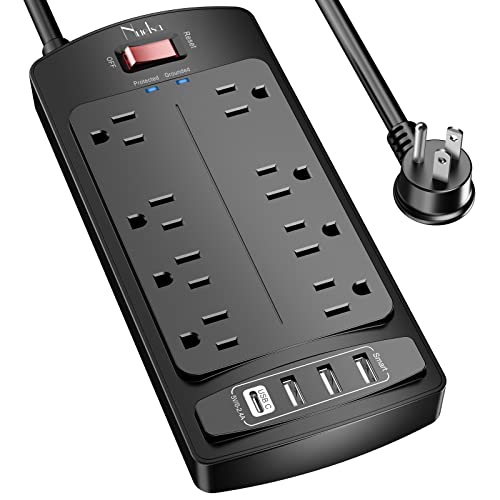
【Power Strip with 8AC outlets & 4 USB】- Power bars with surge protector with 8AC outlets & 4 USB charging ports (1 USB C Outlet), 6 Feet Heavy Duty extension cord, surge protector(2700 Joules) with overload protection protects against spikes and fluctuations.

【Surge Protector for All】 - 6 outlets surge protector power strip with 900-joule surge-protection rating provides 3-line comprehensive surge-protection for computer, TV and other household, office electrical appliances from voltage fluctuations, surges and spikes.
When Should You Use an Extension Cord Instead of a Surge Protector?
For outdoor use, select a cord rated specifically for wet conditions and unplug everything promptly after use. Never run extension cords through walls or leave them permanently connected, as this increases the risk of wear, overheating, or fire. Choose the proper gauge based on your tool’s wattage—thicker gauges support higher power loads—and avoid daisy-chaining multiple cords together, which can cause overloads or damage.
Remember that a plain extension cord provides no surge protection. For sensitive electronics like computers, TVs, or stereo systems, always opt for a surge protector to filter voltage spikes. For camping, consider a portable generator instead if you need power for sensitive electronics or appliances in remote locations without access to a wall outlet. Use extension cords solely for quick, short-term reach and store them properly when finished to maintain safety and performance.

Outdoor Extension Cord: ISLEWIRE 50-foot black extension cord with 3-prong connectors is ideal for extending the reach of power tools, gardening appliances, and other power-hungry equipment (such as Halloween and Christmas string lights, block heaters, lawn mowers, and snow removal equipment). This 3-outlet extension cord can handle 13 amps, 125 volts, and 1625 watts, making it suitable for garages, homes, offices, and various indoor and outdoor environments.

【Multifunctional Outdoor Timer Outlet】: 11 Timer Functions to select: ON/OFF Function, Dusk Function and 2/4/5/6/8Hr Functions; you can select the function by remote control or manually select the function on the timer; all the timer functions are repeated daily.

ETL Listed and Trusted: 25 ft extension cord rated 13 Amps, 1625 Watts and 125 VAC; Male NEMA 5-15P and female NEMA 5-15R; It is ETL/cETL Listed; Ensuring its compliance with strict safety standards; Each outdoor extension cord passes a 2500V high voltage test before leaving the factory to ensure safety; Before use, please check the rated voltage, current, and power of the appliance to avoid exceeding 125V, 13A, and 1625W
Extension Cord vs. Surge Protector: Which Handles Power Tools Safely?
An extension cord is the safe choice for providing temporary power to a power tool, not a surge protector. Surge protectors are designed to guard against voltage spikes and are not built to handle the high current loads of power tools. Using a surge protector for these tools can lead to overheating and potential fire hazards. Instead, select a heavy-duty extension cord with appropriate amp and voltage ratings that match your tool’s power requirements. This ensures the cord can deliver full power without voltage drops that could cause overheating or damage. For a portable power solution, portable solar generators offer reliable backup power for tools without relying on noisy gas generators. Unlike gas tanks, which require careful draining and safe disposal methods to prevent leaks or explosions, electric generators eliminate fuel-handling hazards entirely. Understanding the difference between starting watts and running watts is critical when sizing any power source for high-demand tools. Avoid daisy-chaining multiple cords or plugging surge protectors into extension cords, as this increases the risk of electrical fires. Always check for a grounded three-prong plug or a double-insulated design with each use to ensure safety. For outdoor or moist environments, incorporate GFCI protection to prevent electrical shocks. If the cord becomes hot during use, disconnect it immediately. Remember, never use an undersized extension cord with high-power tools, as this can stress both the battery and the tool. Stick with a properly rated extension cord to keep your power tools operating safely and effectively.

Up to 1875W Applications: Outdoor extension cord waterproof 12 gauge, 15 amp, 125 volts, 1875 watts, NEMA 5-15P to NEMA 5-15R, SJTW power cord, ETL/cETL listed, heavy duty extension cord 50 ft is perfect for heavy duty use or powering major appliances

Extension Cord: The GoGreen Power (GG-13725) is a contractor grade 16/3 SJTW extension cord. This item SHOULD NOT be used with an EV Charger.

Durable Outdoor Power: The Southwire Yellow Jacket Extension Cord features rugged plugs and a weatherproof extension design with SJTW extension jacket for tough jobsite conditions
Extension Cord or Surge Protector: How to Choose the Right One for Your Setup
Choose an extension cord or surge protector based on your specific needs. If you’re trying to reach a distant outlet, select an extension cord rated for the load and length required—surge protection isn’t necessary in this case. For protecting sensitive electronics, use a UL 1449-listed surge protector plugged directly into the wall outlet. Never plug a surge protector into an extension cord, as this can bypass its voltage regulation and pose a fire risk. Proper outlet placement is important: keep cords short, avoid foot traffic, and do not use indoor-rated cords outside. For computers or TVs, opt for a surge protector with at least 600 joules and a maximum let-through voltage of 330V to ensure adequate safety. For outdoor power tools or yard equipment, choose a heavy-duty outdoor extension cord that matches the amperage rating of your device to ensure safe operation. For whole-house protection against large power surges from grid events, compare whole-house surge protectors that install at your main electrical panel, as these guard all outlets rather than just those at a single wall point. For RV owners needing higher power capacity, a 50 amp generator provides a robust and portable alternative to extension cords for powering appliances directly. If you rely on an RV battery system, regularly testing for battery sulfation warning signs can help you decide when replacement is needed instead of risky repairs.
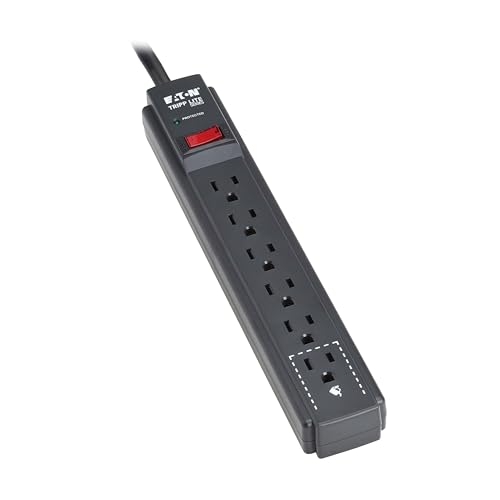
SURGE PROTECTOR POWER STRIP: Features 6-outlets and 600 joules of surge protection to guard your home, office, and small electronics against surges, spikes and line noise. The 3ft extension cord connects to standard wall outlets.

SHIPMENT CONTAINS: 12-outlet surge protector power strip with 8-foot extension cord delivers reliable electricity and safeguards electronics from surges and outages
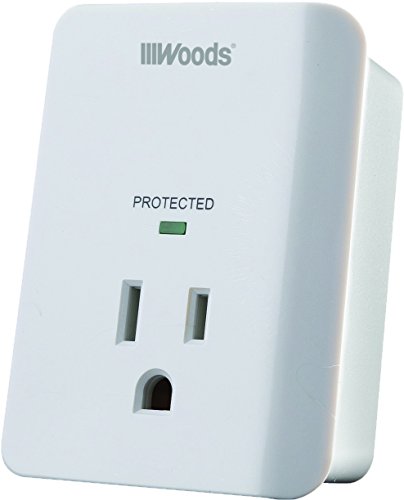
Compact Protection: The Southwire Surge Protector offers 1 grounded outlet, 1080J appliance surge protector, and LED safety status light with alarm for reliable electrical overload protection