Wondering whether a generator or an inverter generator is better for your needs? The key difference lies in the power quality and efficiency.
An inverter generator provides cleaner, quieter energy that’s perfect for sensitive electronics.
Meanwhile, regular generators are better suited for heavy tools and high-surge appliances.
Keep reading to see which option fits your specific power needs.
What’s the Real Difference Between a Regular Generator and an Inverter Generator?
Fuel efficiency is significantly better in inverter generators. Unlike regular generators that run their engines at a constant, high speed regardless of your power needs, inverter models adjust their engine RPM to match the exact load. This means they consume less fuel when the demand is low or moderate. Additionally, the variable speed operation makes inverter generators quieter during light use, while standard models tend to drone at full speed continuously. Inverters generate less emissions, making them more eco-friendly than regular generators. This technology uses a multi-stage conversion process to first convert AC power to DC and then back to clean AC, ensuring stable voltage. When searching for a model, reviewing a comparison of the top inverter options can help identify the best fit for your needs. For similar reasons, a reliable fuel stabilizer is essential for protecting the fuel system in any generator during long-term storage.

Dual-fuel design runs on both gasoline (3600 surge watts, 2900 rated watts) and propane (3500 surge watts, 2600 rated watts)

INVERTER BENEFITS, HOME BACKUP POWER: The Westinghouse iGen8200TFc is a tri fuel generator with all the benefits of an inverter, but also with home backup power and a 50A outlet; Gasoline: 6600 running/8200 peak watts, Propane: 5940 running/7380 peak watts, Natural Gas: 5280 running/6560 peak watts

5000 Peak Watts and 3900 Rated Watts at Less Than 3% THD – Telescoping Handle – Gas or Propane Powered – Remote Start With Included Key Fob, Electric and Recoil Start
Does Your Gear Need the Cleaner Power of an Inverter Generator?
If your gear includes laptops, CPAP machines, or other sensitive electronics, an inverter generator’s cleaner power is well worth the investment. They provide a waveform with typically less than 3% total harmonic distortion (THD), ensuring stable operation and protecting your devices. Conventional generators often spike distortion levels to 15–25% THD, which can cause crashes or stress on control boards. For truck owners using a power inverter for trucks, selecting a model with low THD is equally important to protect sensitive electronics on the road.
High-quality power is crucial for computers, networking equipment, and audio gear to avoid hum, interruptions, or failures. Medical devices like CPAP machines depend on low-THD output for reliable operation, and modern TVs also benefit from reduced distortion to prevent picture issues. In contrast, resistive loads such as space heaters or incandescent lights run fine on standard power because they don’t require a pure sine wave. Before assuming a standard generator will run a refrigerator, you must check its starting watts versus its running watts to avoid tripping the breaker.
When evaluating a generator for sensitive electronics, check the published THD figures rather than marketing claims. Identifying a unit that delivers the clean, stable power your gear needs helps prevent problems and prolongs the lifespan of your devices. Furthermore, just as you would monitor a deep cycle battery’s state of charge to catch capacity degradation early, regularly verifying your generator’s output with a true RMS multimeter can reveal developing waveform issues before they damage connected equipment.
Which Generator Protects Your Expensive Electronics Best?
An inverter generator provides the best protection for your expensive electronics. Its ultra-low total harmonic distortion, often under 3%, ensures the power delivered is clean and stable. This minimizes the risk of damage to sensitive devices like laptops, TVs, and CPAP machines caused by power fluctuations and dirty electricity typically produced by conventional generators. Higher total harmonic distortion levels, above 5%, can generate extra heat, cause charging issues, and even lead to your gear rejecting the power supply. Inverter models also operate at lower noise levels, making them more suitable for residential or quiet environments. But the key advantage is voltage stability — they offer tighter regulation that reduces stress on delicate internal components of microprocessor-based devices. This consistent, stable power shields your electronics from surges and dips, providing peace of mind that your investments are protected. Many inverter generators also incorporate built-in surge protective devices to further guard against harmful spikes. For optimal engine performance and longevity, always use the best 10W-30 oil for your generator. When selecting a backup generator for a gas furnace, it is also essential to consider the wattage needed to power the furnace safely and efficiently.

Powerful & Clean Energy Output:4500W peak watts / 3500W running watts, delivering dependable power for RVs, camping, home backup, and outdoor work. Advanced inverter technology provides clean and stable electricity, making it safe for sensitive electronics like laptops, CPAP machines, and mobile devices.

𝗣𝗼𝘄𝗲𝗿𝗳𝘂𝗹 𝗢𝘂𝘁𝗽𝘂𝘁: 2800 peak watts and 2000 running watts, gas powered by 79.8CC 4-stroke OHV engine, 1.1 gallon fuel tank with fuel indicator, runs for up to 9 hours at 25% load, with parallel function and ECO mode, perfect for camping and home backup emergency use.

224cc dual-fuel engine runs on both gasoline (6800 surge watts, 5100 rated watts) and propane (6000 surge watts, 4500 rated watts)
Are Inverter Generators Really More Fuel-Efficient Than Regular Ones?
Inverter generators are generally more fuel-efficient than conventional models. The key reason is their ability to vary engine speed automatically based on power demand. When your load is partial, they run at lower speeds, which significantly reduces fuel consumption—often saving you between 20% and 40%. For example, at about 25% load, an inverter generator may use around 0.28 gallons per hour, compared to 0.70 gallons per hour for a standard unit. These savings become more pronounced with fluctuating loads, as the inverter adjusts engine speed quickly. However, at full load, both types tend to operate near maximum speed, so the gap in fuel efficiency narrows. Overall, for real-world conditions where power needs change often, inverter generators tend to use fuel more efficiently. For those seeking top portable generators, the fuel savings from inverter models often make them a better value despite higher upfront costs. When using any generator, it is important to routinely check systems like oil needs to prevent mechanical issues. Following safe operating tips helps prevent battery damage and extends equipment life.

4000 Peak Watts and 3300 Rated Watts at Less Than 3% THD – Telescoping Handle – Gas or Propane Powered – Recoil Start

HOME BACKUP POWER, ≤3% THD: The Westinghouse iGen12000DFc dual fuel inverter generator provides whole home backup power that's safe for sensitive electronics; It also has a 50A outlet; Gasoline: 12,000W peak and 9,000W running; Propane: 11,000W peak and 8,100W running

224cc dual-fuel engine runs on both gasoline (4800 surge watts, 4000 rated watts) and propane (4320 surge watts, 4000 rated watts)
Does an Inverter Generator Stay Quieter at a Campsite?
Yes, an inverter generator generally stays quieter at a campsite compared to conventional models. Typical inverter generators produce noise levels around 48 to 60 decibels at camping distances, comparable to normal conversation. Many campgrounds set a noise limit of 60 dB at 50 feet, which inverter generators often meet or stay below. However, noise levels can vary depending on the load; running at lighter loads keeps them quieter, while demanding full power increases sound output. Placement also influences perceived noise—setting the generator on soft ground or behind trees can help reduce noise impact. Unlike portable power stations, inverter generators still require ongoing fuel costs and maintenance, which can affect your running cost over time. For an optimal camping experience, choose an inverter generator rated at 60 dB or less at your campsite distance. For consistent performance, consider using premium diesel fuel to reduce engine noise and improve efficiency. When comparing models, prioritize those with verified reliability and robust build quality, as these factors directly impact long-term performance and satisfaction.
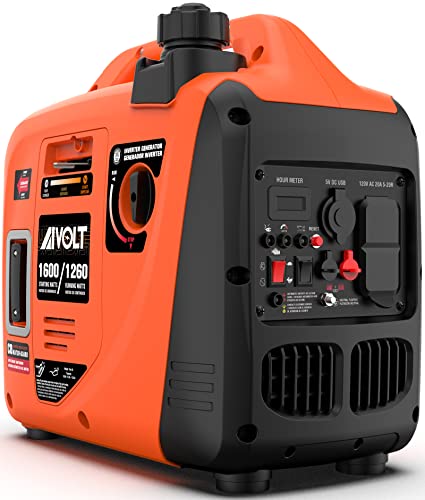
🔌 Safe for Sensitive Electronics | <3% THD Clean Power Inverter Generator - This portable inverter generator with advanced inverter tech delivers stable, clean power (THD <3%), safe for your phones, laptops, or small tools. It’s the perfect for home office backups during blackouts or generator for camping - keep your devices charged without worry

Provides 4,000 peak watts and 3,200 rated watts of power
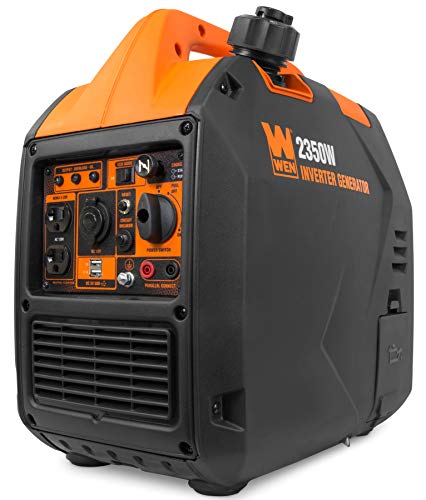
Ultralight body weighs in at a mere 39 pounds for easy transport and storage
How Many Watts Does Your Inverter Generator Actually Need to Handle?
To determine the right inverter generator wattage, you need to account for both running watts and starting watts. Running watts are what your appliances need to operate normally, while starting watts—also called surge watts—are the brief bursts of power needed to start devices with motors, like refrigerators or air conditioners. First, add up the running watts of all appliances you plan to run at the same time. Then, identify the appliance that requires the highest surge wattage, which is often 2 to 3 times its running watts. Add this surge wattage to your total running load to find the minimum inverter generator capacity you need. Ensure your generator’s continuous wattage output exceeds this sum and that its surge capacity can handle that peak. To avoid overloads, include a safety margin of 20–30 percent. Always check appliance nameplates for precise voltage and current ratings, multiplying volts by amps to confirm wattage. Sizing your generator based on the total simultaneous load, rather than just the largest single appliance, guarantees reliable operation without unexpected shutdowns. For a common example, a 1000 watt inverter can typically run a small TV and a laptop simultaneously, but falls short for appliances with a motor. For those who prioritize fuel flexibility, many top-rated models now offer propane compatibility as a key feature for extended runtime and cleaner operation. Additionally, just as a surge protector safeguards electronics from voltage spikes, your inverter generator’s built-in surge capacity protects motorized devices from damaging power fluctuations during startup.
Is the Higher Price of an Inverter Generator Worth the Long-Term Savings?
The higher initial cost of an inverter generator can be justified by significant long-term savings. While you might pay 40% to 70% more upfront, this investment leads to several financial and operational benefits. You will typically use 40% to 50% less fuel, especially when running at light loads, which can save you around $12 to $20 during a 72-hour power outage. Additionally, inverter generators operate more quietly—producing about 50 to 60 decibels—making them more suitable for urban settings and outdoor activities. Their smoother, variable-speed engines result in less engine wear and fewer oil changes because they don’t run at full speed constantly. Over time, this extended engine life compensates for the higher initial price. If you frequently run your generator or operate it at partial loads, the cumulative savings on fuel and maintenance will make investing in an inverter model a cost-effective choice.
Your Use Case: Which Generator Should You Actually Buy?
Matching your generator to your actual needs makes the choice clear. For a home office or backup for medical devices, an inverter generator is ideal because it provides clean, stable power suitable for sensitive electronics. When camping, RV use, or outdoor activities, inverter models are preferred due to their quiet operation and portability.
If you need to power heavy appliances or tools with high startup surges, such as well pumps or construction equipment, a conventional generator is more appropriate. These models can handle large surge loads without issue, making them better suited for demanding applications. To determine if a conventional option is sufficient, first check the starting-watts breakdown for your heaviest tools to ensure the generator can handle the initial power spike.
Your specific use case also influences key design factors. Inverter generators prioritize efficiency and operate quietly, while conventional models focus on providing maximum power output. Manufacturer differences can be significant—some brands excel at parallel operation to connect multiple units, while others emphasize ruggedness and durability. To choose the right generator, first calculate your total running watts and account for startup surge needs, then consider noise preferences and load type. For RV air conditioners, a common solution is to use a generator sized based on a simple sizing method to avoid overspending. Matching the generator to your actual load ensures you get a tool that performs reliably without overpaying.

𝗣𝗼𝘄𝗲𝗿𝗳𝘂𝗹 𝗢𝘂𝘁𝗽𝘂𝘁 - 4400 peak watts and 3400 running watts, perfect for RV camping and home backup

Powerful Output: 4400 peak watts and 3400 running watts, 2*120V AC ports, 1* 30A RV port, 1*12V DC port, 14 hours runtime at 25% load

149cc engine generates up to 3600 surge watts and 2900 rated watts