Looking to buy a small generator but unsure how much to expect to pay? For most home backup or camping needs, prices typically range from $200 for basic models to around $1,500 for more advanced options.
Your cost depends on factors like wattage, inverter technology, and noise levels. Keep in mind there are also hidden expenses like fuel and maintenance.
The full details below will help you find the right generator for your budget.
What Exactly Counts as a “Small Generator” for Budgeting?
A “small generator” typically refers to units in the 2,000 to 5,000-watt range for budgeting. This size covers your essential needs like lighting, a refrigerator, and phone charging without providing enough power for a whole-house backup. For budget purposes, a 2,000-watt generator is enough for lightweight camping or emergency power for basic appliances, while a 5,000-watt model can support small home backup systems. When evaluating your purchase, it helps to check expert reviews on quality and performance to ensure you get the best value for your needs. Keep in mind that extended features such as inverter technology or multiple outlets can increase the cost. Brand reputation also influences the price; trusted brands often charge more within the same wattage class. Additionally, you should account for higher starting watts, especially for motor-driven devices, which may require adding 15–20% to your budget to cover surge power. For reliable fuel storage, look at Top Propane Tanks for quality and performance options that complement your generator setup. To keep your generator running smoothly, you should also consider using 10W-30 oil for optimal engine protection and performance.
How Much Does a Small Generator Actually Cost? (The Real Range)
Small generators typically cost between $500 and $1,500 for practical use. While you can find basic units for as low as $200, their capabilities are limited, and they may not be reliable for all emergency or backup needs. Most buyers will want a unit that balances cost with performance, durability, and ease of maintenance. Ongoing costs like oil changes, replacing spark plugs, and fuel stabilizers can add up over time, so keep these in mind when budgeting. It’s also wise to check if the generator comes with a warranty—plans spanning two or three years can offer extra peace of mind. For entry-level camping models, prices hover around $200 to $650, while basic emergency backup units start near $330 and can reach $1,000. Mid-tier units suitable for home backup generally fall between $600 and $1,200. If you need features such as inverter technology or dual-fuel capability, expect to pay from $500 up to $4,500. A sensible budget allows you to purchase a capable, reliable generator without overspending. Investing in fuel stabilizers can reduce long-term maintenance expenses by preventing gum buildup in the engine. Additionally, for those who also need to charge car batteries, looking at models with battery charger reviews can help ensure your generator supports both power and recharging needs. To ensure your generator’s battery starts reliably, learn the quick test methods used for deep cycle batteries to spot early warning signs of failure.

【Extened Runtime】: This protable generator comes with 1.06-gallon fuel tank, allows for up to 17 hours of operation at 25% load, or 8.6 hours at 50% load, with parallel function and ECO mode, providing long-lasting power. perfect for RVs, camping, home backup emergency.

181cc engine generates up to 4500 surge watts and 3600 rated watts

Applicable Battery Models: This inverter is specifically designed Compatible with Dewalt 18V/20V batteries (e.g., DCB206, DCB205, DCB204 more), Easy to use even when there is no power supply outdoors, as long as you bring batteries. (NOTE: Battery is not included).
Why Some Small Generators Cost $400 and Others Cost $2,000
The cost of small generators varies widely, from as low as $400 to over $2,000. The main factors influencing the price include power output, with higher wattage models costing more due to larger, more durable components. Inverter technology also raises the price because it provides cleaner, more stable power, which is essential for sensitive electronics but adds complexity and manufacturing costs.
Fuel type impacts the cost as well. Dual-fuel models, which can run on gasoline and propane, typically cost more than basic gasoline-only units because of their enhanced flexibility. Build quality and added features such as quieter operation, electric start, and lighter weight also affect pricing, often pushing higher-end models beyond the basic options.
Brand reputation plays a role in pricing too. Established brands may charge a premium for proven reliability and performance. Longer warranty coverage and comprehensive support generally come with pricier models, offering added peace of mind and protecting your investment over time. Ultimately, the price reflects the durability, efficiency, and extra features tailored to different power needs.

Dual-fuel design runs on both gasoline (2800 surge watts, 2250 rated watts) and propane (2800 surge watts, 2000 rated watts)

224cc dual-fuel engine runs on both gasoline (4800 surge watts, 4000 rated watts) and propane (4320 surge watts, 4000 rated watts)

Dual-fuel design runs on both gasoline (3600 surge watts, 2900 rated watts) and propane (3500 surge watts, 2600 rated watts)
How Much More Do Small Inverter Generators Cost?
Small inverter generators usually cost a few hundred dollars more than conventional models of similar wattage. For example, a 2,000 to 2,500-watt inverter unit typically ranges from $385 to $700, while basic conventional versions of the same capacity can be found for $200 to $300. As wattage increases, the price gap widens significantly; a standard 5,500-watt conventional generator usually costs between $600 and $900, whereas an inverter model of comparable power can cost anywhere from $1,500 to over $2,500. For campers prioritizing portability, top portable generators often include features like lightweight designs and quiet operation that justify this higher cost. Specific models reviewed for camping trips highlight quiet operation and fuel efficiency as key selling points.
This higher price reflects the advanced inverter technology that delivers cleaner, quieter power and improved fuel efficiency. The investment pays off with features like stable voltage suitable for sensitive electronics and variable engine speeds that conserve fuel. Entry-level inverter generators start around $300 to $400 for 1,000 to 2,000 watts, while mid-range models generally cost between $500 and $700. Premium units offering greater wattage or extra features can easily exceed $1,500. For those seeking an alternative, portable solar panels offer a clean and quiet power source without ongoing fuel costs.
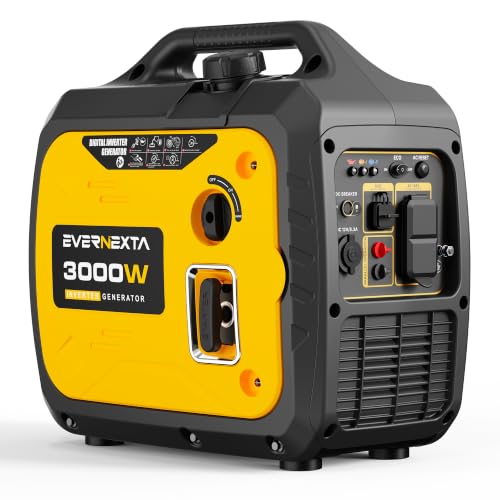
【Powerful Clean Inverter Power】3000 starting watts and 2350 running watts from a 97.7cc 4-stroke OHV engine. Inverter technology with THD under 3% delivers clean power for sensitive electronics.
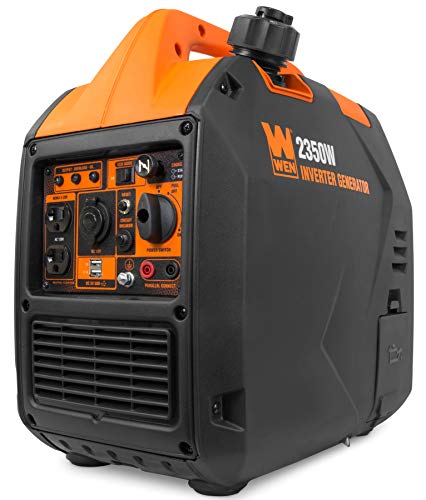
Ultralight body weighs in at a mere 39 pounds for easy transport and storage
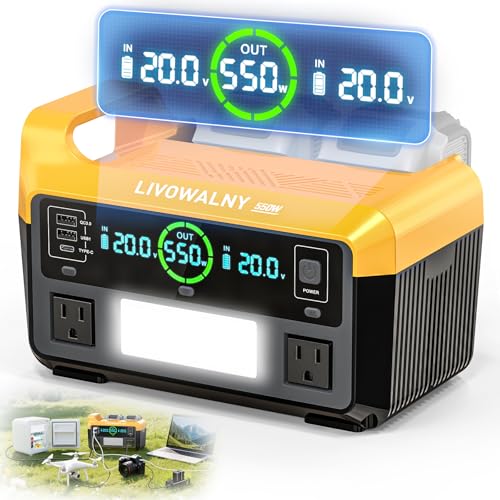
POWER YOUR EXPECTATIONS: Featuring 2* AC outlet (110V+10% 60Hz), 1* USB-C ports (PD 20W 5V 2.4A), 2*USB-A ports (DC 5V 4A 20W), the battery converter can charge (up to) 5 devices (e.g. phone, laptop, cameras, etc.) at the same time to satisfy your outdoor needs.
What Hidden Costs Are You Forgetting?
Beyond the initial purchase price, several ongoing costs can catch you off guard. Fuel consumption can be substantial—running a mid-size inverter generator all day during an outage might cost more than $70. Routine maintenance such as oil changes and replacing spark plugs can range from $24 to $600 annually, depending on whether you do it yourself or hire a professional. Installing a transfer switch is an additional expense, often between $400 and $2,500. Also, note that stored gasoline degrades over time, requiring you to replace it yearly at around $63 to $70. Finally, the brand and warranty coverage influence long-term repair costs; cheaper models may offer limited warranty support, leading to higher out-of-pocket expenses if repairs are needed. Following a proper oil change schedule can prevent expensive engine damage and reduce overall maintenance costs. For maintaining the generator’s starting battery, a battery tender is generally safer and more efficient than a standard trickle charger, as it prevents overcharging and extends battery life. For camping users, a portable inverter generator is typically more fuel-efficient and quieter than conventional models, which can help lower daily fuel costs during extended trips.

MEET THE GENIUS1 — Similar to our G750, just better. It's 35% smaller and delivers over 35% more power. It's the all-in-one charging solution - battery charger, battery maintainer, trickle charger, plus desulfator.

Charger, Maintainer & Desulfator - An all-weather battery charger, battery maintainer, trickle charger, and battery desulfator. Perfect for charging and maintaining all 12-volt lead-acid, flooded or sealed maintenance free batteries (AGM and gel cell).

Stay Charged: Battery Tender battery chargers and maintainers provide a full charge to your powersport vehicle’s battery before switching to float mode to maintain proper voltage levels for safe, long-term storage
What Should Your Total Small Generator Budget Be?
Your total small generator budget should generally fall between $200 and $2,500, depending on your specific needs. For basic camping or portable use, allocate roughly $200 to $650. If you need a reliable emergency backup, plan for $500 to $1,100. For a versatile, all-purpose inverter model suitable for various tasks, aim for $800 to $1,600. Keep in mind that these are just initial purchase prices. Ongoing costs such as maintenance—oil changes and air filters—add up over time and should be factored into your budget. Fuel consumption varies greatly; choosing a fuel-efficient model can save you money in the long run. If you want quieter operation or higher wattage capacity, you may need to budget between $1,000 and $2,500 or more. For those prioritizing efficiency, selecting a top-rated inverter can significantly improve fuel economy and reduce noise. Ultimately, your total budget should include both the purchase price and these recurring costs to ensure you pick a generator that fits your financial plan. If a smaller power source suits your needs, remember that a car battery charger is a far more affordable alternative, typically costing between $30 and $150.

400W continuous power with 800W peak power for devices needing additional ramp-up power

Kit includes the 400W inverter, 4.0Ah battery, and 100W PD charger

224cc dual-fuel engine runs on both gasoline (6800 surge watts, 5100 rated watts) and propane (6000 surge watts, 4500 rated watts)