Worrying about carbon monoxide poisoning from your portable generator is understandable. The good news is, with just a few simple steps, you can keep your family safe and prevent a tragedy.
Proper placement and awareness of hazards are key to using your generator safely.
Keep reading to learn how to enjoy power without putting yourself at risk.
Why Carbon Monoxide Is the Hidden Killer in Your Garage?
Because carbon monoxide is colorless and odorless, your garage can fill with this toxic gas without any warning while you’re running a portable generator. You can’t see or smell the danger, but it’s there and can kill you in minutes. Opening a door or window might seem like enough ventilation, but tests show that even partially open setups still allow CO to build up to deadly levels, especially in attached garages. In these cases, gas can seep into your home’s living space through cracks and doorways. Relying solely on airflow is dangerous because it isn’t consistent or strong enough to prevent dangerous buildup. Instead, you need to install a CO alarm and maintain it properly—check batteries monthly and replace the unit every five to seven years. For additional electrical safety, ensure your generator’s output is connected through a properly installed surge protector to guard against voltage spikes that could damage your equipment. Remember that a CO alarm only alerts you after exposure has started; it doesn’t make garage use inherently safe. Never underestimate this invisible killer. For reliable operation, consider using a top propane tank to ensure your generator runs efficiently and safely. Choosing the right model also matters, as many modern inverters are quieter and more fuel-efficient than conventional units.
Generator Placement Rules for Safe Ventilation
Place your generator outdoors only. Never inside your home, garage, or shed. Even an open garage door does not ensure safe ventilation. Avoid covered porches or carports, as these can trap deadly exhaust gases. Keep the unit at least 20 feet away from your house to prevent dangerous fumes from drifting inside. Leave 3 to 4 feet of clear space around the generator to allow heat to dissipate and exhaust to disperse properly. Always direct the exhaust away from windows, doors, and vents. Do not position the generator in enclosed or semi-enclosed spaces like basements or breezeways, where airflow is limited. Choose a dry, open area with unobstructed pathways for intake and exhaust airflow, understanding that your safety depends on correct placement rather than convenience or aesthetics. For an extra layer of protection, consider installing a whole house surge protector to safeguard your home’s electrical panel from voltage spikes caused by generator operation. For added convenience and safety, consider a model with a remote start to turn it on from a safe distance without leaving your dry, designated spot. Using the right oil viscosity helps maintain engine performance and reduces wear during extended operation in outdoor conditions.
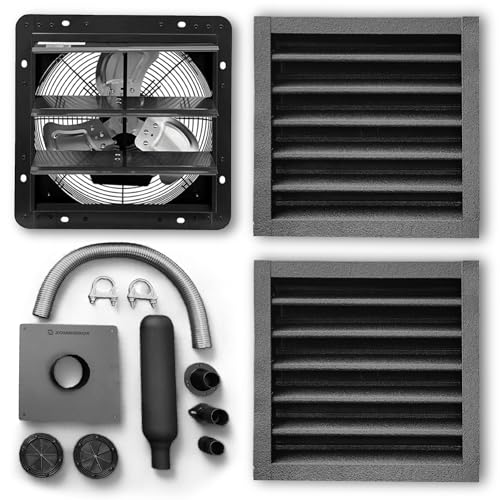
COMPLETE CLIMATE CONTROL SYSTEM: The all-in-one solution for building or upgrading your DIY generator enclosure. This comprehensive kit solves the two biggest problems with...
How Far From Windows, Doors, and Vents Is Far Enough?
Keeping the exhaust at least 20 feet away from windows, doors, and vents is ideal. This distance helps ensure fumes don’t drift back toward your home, especially in areas with poor airflow or windy conditions. A whole home surge protector also helps shield your electrical system from power spikes when the generator starts or when grid power returns. Remember, simply increasing distance isn’t enough—direction matters too. Always point the exhaust away from your house and nearby structures, aiming it toward an open outdoor area. For those needing backup power, portable power stations offer a safer alternative to traditional generators. For truck owners requiring mobile power, top power inverters provide a clean and safe solution for running tools and electronics on the go. Choose a flat outdoor surface for setup, avoiding porches, garages, or crawl spaces where fumes can accumulate. If space allows, position the exhaust beyond the 20-foot mark, particularly if airflow is limited or terrain is tricky. Keep in mind, using the exhaust indoors or in enclosed spaces is extremely dangerous and must be avoided at all costs.

[Attention]: (If the connector doesn’t fit, contact us for customization) The generator exhaust extension kit must be used in a generator shed generator quiet box....
Generator Safety: Never Skip a Transfer Switch
Connecting your generator directly to household wiring without a transfer switch is dangerous and can cause severe electrical hazards. A transfer switch isolates your home from utility power and prevents backfeed, which occurs when generator power flows back into the utility lines. Without this protection, Energized utility lines pose a risk of electrocution to utility crews and can damage your equipment or cause fires. Installing a transfer switch creates a safe, controlled pathway for power, allowing you to select which circuits to energize without risking live backfeed. To ensure safety and compliance, have a licensed electrician install the transfer switch. For those shopping for a generator, comparing top generator reviews can help identify models that integrate well with transfer switch systems. Proper installation guarantees a reliable disconnect, preventing dangerous cross-connections, and helps meet local electrical codes. Selecting a portable solar panel with high efficiency and performance can also reduce your reliance on generator fuel during extended outages. Skipping this step increases the risk of fatal shocks, fires, and legal violations that could endanger everyone working to restore power. Unlike battery backup systems, portable generators require this critical hardware to prevent backfeed hazards during power outages.

Compatible with 12500W Generators: This manual transfer switch handles up to 50A and 10 circuits, allowing you to quickly switch from the main power to your generator with just the flip of a switch. It provides peace of mind and is a temporary power source during outages

Current rating 50 Amps,operating voltage 240 volts,need some basic knowledge on electrical circuits

★WORKING PRINCIPLE:This product called dual power automatic transfer switch,also called ATS. You can connect two power:one power as normal power, and the other one as reserve power. the type of power source can be city power,generator and Photovoltaic inverter.When normal power (N) goes off, the ATS will transfer to reserve power(R) to make power continuous, transfer speed is about 2s,when the normal power is back,ATS will transfer back to normal power.
Fueling Mistakes That Cause Fires: and How to Avoid Them
Fueling mistakes are a major cause of generator fires, but you can prevent them by following some key safety tips. Always shut down your generator and let it cool for at least 15 minutes before refueling. This prevents hot engine parts from igniting the fuel instantly. Refuel outdoors only—never inside a garage or shed—where vapors can accumulate and pose a fire risk. Keep all ignition sources, like cigarettes or lighters, far away from the fueling area. Use approved containers and funnels to avoid spills and static sparks that could ignite fumes. For outdoor use, ensure all connections are protected with durable extension cord covers to prevent moisture and debris from causing electrical shorts or sparks. For added safety, use a stabil fuel stabilizer to treat fuel before storing it, which helps prevent dangerous vapor buildup and engine issues. Ground your equipment to further reduce static buildup. Never overfill the tank; leave extra space to accommodate fuel expansion. If a spill occurs, clean it up immediately and wait for vapors to disperse before restarting. Keep a fire extinguisher nearby for quick response. These habits are critical to preventing fires before they start, much like how a quality trickle charger prevents battery hazards through careful charging practices and safety features.

PRESERVES FUEL: This fuel stabilizer ensures keeps gasoline fresh for up to 24 months for storing vehicles that are not in use, boats, outdoor power equipment during winter months, or stocking up on fuel.

UNLEASH YOUR ENGINE'S FULL POTENTIAL - Star Tron Enzyme Fuel Treatment uses advanced enzyme technology to ensure all engines start easily and run smoothly, even after months of inactivity

Preserves Fuel - Keeps fuel fresh for up to 24 months so you can store the car you're not driving, keep outdoor power equipment fresh through the winter, or stock up on gasoline without worry
How to Calculate and Rotate Appliance Loads Safely
To calculate your appliance loads safely, start by listing each device’s running watts from its nameplate. Sum these amounts to find your total load for all appliances you’ll operate simultaneously. Then, add a safety margin of 20–25 percent to this total to prevent nuisance tripping.
Next, account for the highest startup surge, especially for motor-driven appliances like refrigerators, which can draw up to three times their running watts during startup. Add this surge value to your running total and compare it to your generator’s surge rating, ensuring it can handle the combined load without overload. To match your setup to the right equipment, verify that this final figure falls within the whole house generator wattage range that covers your essential circuits. Just as with a deep cycle battery, regular load testing reveals hidden capacity loss before it causes a system failure.
Because you cannot run all appliances at once, priority must be given through load management. Run only essential items first, such as your fridge and lighting. Cycle high-draw appliances separately, staggering their startup times to prevent overlapping surges. Always recheck your total load whenever you add or remove a device to maintain safe operation and avoid overloading your generator. For example, using a transfer switch is the only code-compliant method to safely connect your generator to your home’s electrical panel.
Why CO Alarms Are Non‑Negotiable for Every Floor?
You must have a carbon monoxide alarm on every level of your home. Because carbon monoxide is both invisible and odorless, your senses cannot detect it. Portable generator exhaust can seep into your house through doors, windows, or basements and drift from floor to floor. Installing a CO alarm only on one level or in sleeping areas creates dangerous coverage gaps. This gap can lead to CO poisoning, which can disable you before you smell smoke or notice symptoms. Proper placement means installing alarms on each level—including the basement, main floor, and upper sleeping areas—and outside each bedroom. Interconnected alarms provide the best warning: when one sounds, they all do. While selecting your alarms, also consider investing in an automatic battery charger to keep other essential safety devices fully powered and ready for use. Regularly test each alarm monthly, replace batteries as needed, and never ignore an activation. If an alarm sounds, leave immediately and call 911—your life depends on it. Always keep an accurate propane tank level check as part of your routine to ensure you never run out of fuel during an emergency.
Monthly Inspections for Fuel Lines, Oil, and Spark Plugs
Monthly inspections are essential for fuel lines, oil, and spark plugs to detect potential issues early. Begin with a complete fuel line check: look over the entire hose for cracks, kinks, or swelling, which can indicate deterioration. Smell for any fuel odor and inspect connections for dampness—bubbles during a soapy-water test signal a hazardous leak. Next, verify that the oil level reaches the full mark and examine around the crankcase and drain plug for leaks. Lastly, inspect the spark plugs: remove each one, check that the color is tan or gray, and measure the gap with a feeler gauge. Replace any plugs with cracks or heavy carbon buildup. Running the generator under load for 15 to 30 minutes each month helps confirm it operates properly. Keep detailed records of hours run and any defects to monitor wear over time.
3 Electrical Safety Checks Before You Plug In
Before plugging in your generator, perform three essential electrical safety checks. First, verify the grounding connection. Ensure that the generator’s grounding wire is tightly attached and free from damage. A proper ground reduces the risk of electric shock if a fault occurs. Next, inspect all extension cords carefully. Use only grounded three-prong cords and look for cuts, frays, or exposed wires. Damaged cords should be replaced immediately to prevent fire hazards. Finally, never connect your generator directly to a household outlet or wall socket without a transfer switch or interlock device. Doing so can cause backfeed, which poses a serious danger to utility workers. Always match your cords to the load’s wattage, keep circuit breakers off until startup, and test GFCI outlets before use. These steps are crucial for a safe and reliable power setup.
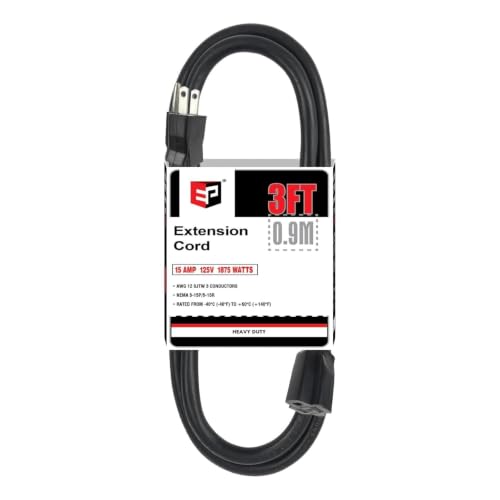
Heavy Duty Extension Cord - 15 amps, 125 volts, 1875 watts, 5-15P/R, 12 gauge heavy duty cord with pure copper wire.

【Generator Distribution Adapter 】NEMA L14-30P to 4 Ports 5-15R 5-20R and 1 Port L14-30R Adapter Plug, using your generator to power up multiple devices, Heavy duty 10 Gauge power cord

Heavy Duty Extension Cord - 15 amps, 125 volts, 1875 watts, 5-15P/R, 12 gauge heavy duty cord with pure copper wire.