Wondering if you can safely plug a surge protector into another one? The quick answer is no.
Doing so, often called daisy chaining, is risky and can cause fires, overload circuits, and weaken your devices’ surge protection.
Keep reading to learn why this practice is dangerous and what safer options you have.
Can You Plug a Surge Protector Into Another?
Plugging a surge protector into another is dangerous and strongly discouraged. Doing so creates a power overload risk because the first surge protector must handle the combined current from both units. This can easily cause overheating, tripping your circuit breaker, or even sparking a fire. Additionally, daisy chaining reduces the effectiveness of surge protection; the downstream unit’s performance can degrade unpredictably, offering less protection when you need it most. For whole-house protection, a permanently installed unit at the main breaker panel handles far higher surge currents than any plug-in model. To stay safe, always plug each surge protector directly into a wall outlet or opt for a single, high-capacity surge protector with enough outlets for your needs. A comparable approach to reducing noise, as seen in quiet generator DIY projects, involves isolating components to prevent interference. For those considering a backup power solution, reviewing generac standby generator costs helps clarify the upfront investment versus ongoing safety risks.
Why Daisy Chaining a Surge Protector Is Dangerous
Daisy chaining a surge protector is dangerous because it creates overload conditions and violates electrical safety standards. When you connect multiple surge protectors in a series, you increase electrical resistance at the connection points. This resistance leads to heat buildup at plugs and cords, which can soften plastic housings and damage internal components. Additionally, forcing the wall outlet to supply excess current can trip circuit breakers frequently and put unnecessary stress on your electrical system. Multiple protectors in a chain also fail to coordinate surge suppression properly, weakening their effectiveness and leaving your devices vulnerable. Instead, consider choosing a properly rated unit from reviews of the best UPS units with surge protectors to ensure quality and value. To stay safe, use a single surge protector that is properly rated for your needs rather than daisy chaining multiple units. For optimal performance, you may want to choose a charger that features smart charging technology from the top options reviewed. When handling any electrical equipment, you should also follow safe filling practices to avoid static sparks and other hazards.
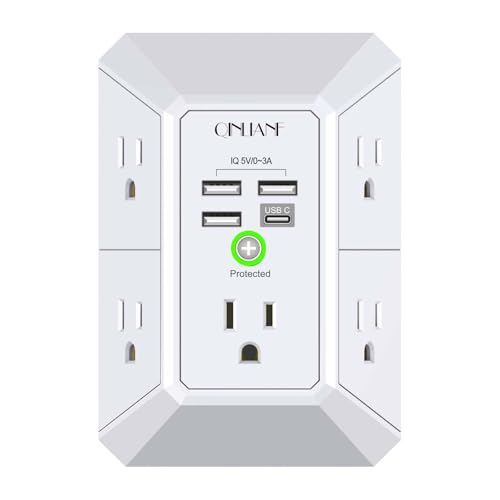
【 Multi Function USB Outlet】- Securing onto the wall design. Fit duplex outlet perfectly, just plug in to use. You get 5 AC outlet splitter (3 sides) with wide space in between; 4 USB charger ports; using the screw at the middle to secure it onto the wall for duplex outlet, so it is not pulled out when pulling the plugged in devices and loss power. Note: this works on duplex outlet only, other types of outlet like GFCI outlet cannot be secured onto the wall. Best Ideal Stocking Stuffers for Adults.
![Cable Matters [ETL Listed] 1350J Single Outlet Surge Protector, White](https://m.media-amazon.com/images/I/31e0JpMEJvL._SL500_.jpg)
Reliable Surge Protection for Electronics: Protect your electronics with this single plug surge protector. The wall surge suppressor provides a surge-protected 3-prong grounded outlet, offering reliable protection for devices like TVs, PCs, and gaming consoles from power surges.

★Multi Function Power Strip: Power strip surge protector with 12AC outlets & 4 USB charging ports, 6-foot Heavy Duty power extension cord, surge protector (2700 Joules)with overload protection protects against spikes and fluctuations.
How Daisy Chaining a Surge Protector Starts a Fire
Daisy chaining surge protectors can easily start a fire because it causes electrical overloads at the wall outlet. When multiple strips are connected, the first one may draw more power than it is designed to handle, forcing excess current through its internal wiring. Each additional connection increases electrical resistance, turning that current into heat inside the plugs and outlets. This heat builds up faster than it can dissipate within the plastic housing, which can soften the insulation and warp internal components. Hot internal parts near dust, fabric, or other flammable materials can ignite surrounding material. Damaged wiring from loose plugs or worn sockets can cause arcing, which produces even more heat. Since the breaker may not trip quickly enough to cut off the current, heat can accumulate inside the strip while the circuit appears to be safe. For portable generators, inverter technology improves power stability and reduces fire risk compared to conventional models. This creates a risk of fire starting inside the surge protector while the breaker remains closed, putting your devices and home at serious risk. Always follow safety advice: never connect multiple power strips in a daisy chain. Instead, using a tri fuel generator allows you to run essential appliances directly without relying on overload-prone extension setups.
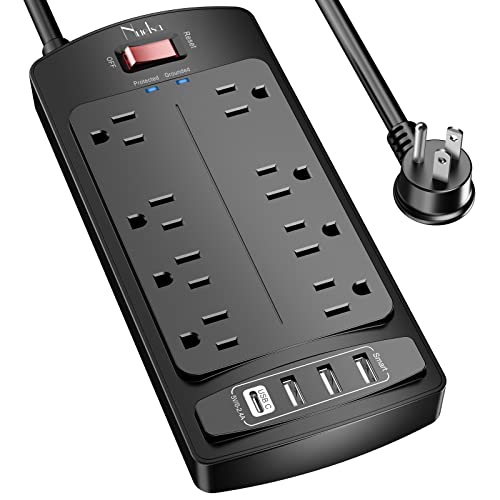
【Power Strip with 8AC outlets & 4 USB】- Power bars with surge protector with 8AC outlets & 4 USB charging ports (1 USB C Outlet), 6 Feet Heavy Duty extension cord, surge protector(2700 Joules) with overload protection protects against spikes and fluctuations.

IN THE BOX: Surge protector power strip in Black (2-pack) for protecting small appliances, phones, lamps, and more from potentially damaging power surges
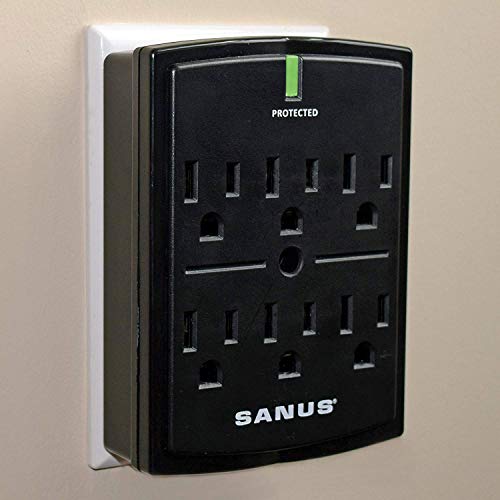
1080 Joules of fireproof surge protection guards your gear from harmful power surges.
Does Daisy Chaining Ruin Surge Protection for Your Devices?
Daisy chaining surge protectors weakens the surge protection your devices depend on. Instead of enhancing safety, it compromises it. The first protector absorbs the initial surge, leaving less capacity for protectors downstream. These units can interfere with each other’s suppression abilities, preventing your devices from receiving the low let-through voltage they need. Joule ratings do not add up when protectors are chained, meaning you don’t gain extra energy absorption. This practice also violates electrical standards and creates compatibility issues, potentially causing devices to overheat or fail prematurely. Additionally, extra connections increase resistance and heat buildup, degrading protective performance over time. For example, extension cords are often less expensive upfront but lack long-term durability compared to surge protectors. Just as propane tanks require specific safe placement outdoors away from heat sources, surge protectors should never be daisy chained to avoid fire hazards from excessive heat and electrical strain. Similarly, a frozen propane regulator must be thawed in the correct order to prevent damage to the gas system. Using a single, properly rated surge protector for each outlet offers better, more reliable protection—chaining provides redundancy at best, not stronger defense.

[SURGE PROTECTION] 245J. It prevents storms and surges from reaching your electronics at their peak.Helps keep plugged devices safe.

[SURGE PROTECTION] 245J. It prevents storms and surges from reaching your electronics at their peak.Helps keep plugged devices safe.

Automatic Induction Protection: Protect your electrical devices by interrupting the current flow from voltage spikes, instant surge, voltage fluctuation, brownout, and that voltage which are too high or too low. If you have any questions, please do not hesitate to contact us immediately
What Safety Codes Say About Chaining Surge Protectors
Safety codes and standards strictly prohibit chaining surge protectors. You should connect your surge protector directly to a fixed wall outlet. This is required because UL listings and the International Fire Code consider relocatable power taps as temporary equipment, not suitable for daisy-chaining. Plugging one surge protector into another violates the product’s listing and usage instructions, as OSHA guidance makes clear. Overloading surge protectors is the primary hazard, increasing the risk of fire when combined cords and internal components draw more current than they are rated for. Mechanical strain also becomes a problem, stressing plugs and housing units. These risks exist whether the strip has surge protection or not. When selecting a power source, opt for a top generator review to find a unit that meets your needs without hazardous daisy-chaining. Local fire authorities often penalize chaining setups, and doing so can void warranties and impact your insurance coverage. Always follow the safety code: use one surge protector per wall outlet, not multiple linked together. For a heavy-duty task, a single heavy-duty extension cord can safely handle higher power demands without the daisy-chaining hazard. For a permanent solution, consider installing a surge protector directly into your electrical panel for whole-home protection.
How to Get More Outlets Without Daisy Chaining
To get more outlets without daisy chaining, reposition your furniture to bring devices closer to existing outlets. Moving your desk or entertainment center closer to an outlet reduces the need for additional cords and prevents unsafe extension use. Invest in a single, high-capacity surge protector with widely spaced outlets to accommodate multiple devices safely. Make sure it matches your devices’ joule and ampere ratings to avoid overloads. For cable management, choose wall-mountable surge protectors to keep cords organized and off the floor, reducing clutter and trip hazards. Alternatively, plug in a wall outlet extender that provides 5-6 AC ports plus USB charging directly into the wall receptacle, eliminating the need for daisy chaining multiple strips. Distribute high-demand devices across different outlets to prevent overloading one circuit. Using a longer, properly rated power cord can also extend your reach safely without creating extra connections. For those using a portable generator as a power source, ensure your setup includes a 50 amp generator that can handle your RV’s load without requiring additional strips. Note that the Predator 5000 generator takes approximately 38 fluid ounces of oil, emphasizing the importance of using the correct volume and type specified in the manufacturer’s manual. Understanding starting-watts versus running-watts helps ensure your generator can handle motor-driven appliances without tripping breakers or causing damage.

【Multi-function USB Wall Outlet】: 3 USB fast charging ports(1 USB C Port), 3-sided Power Strip, with 6 Adapter Spaced Outlets, and LED night light around the edges. Taking the place of a standard socket, but instead offering you many more plugs. Can be used in any room or public areas indoor. Save space with unique 3D design.NOTE: The UCB-C port doesn't support any other devices which need 9~22V charging voltage.
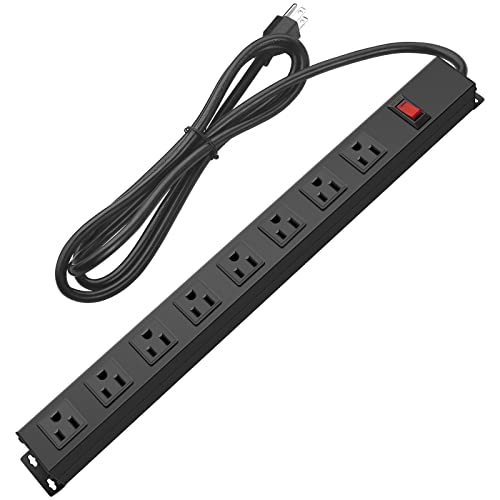
Metal Wide Spaced Power Strips: It has 8 wide spaced outlets, the distance between the sockets is 0.55inch, which is very suitable for large plugs, with screw holes and 4 screws to help mount, great addition to the workbench.

MULTI OUTLET SURGE PROTECTOR POWER STRIP: Turn 1 outlet into 6 surge-protected AC outlets wrapped in a slim, modern design; Power multiple computing devices and peripherals, from iPhones, tablets, and smartphones to laptops and projectors
When to Call an Electrician for a Surge-Protected Outlet
If the surge protection indicator light stays off, your surge protector has likely failed. While your device may still receive power, it is no longer protected against voltage spikes. You should also watch for signs of damage at the outlet, such as cracking, melting, a burning smell, or buzzing noises. These are serious issues that indicate wiring faults or electrical problems and require immediate attention from a professional electrician. Do not attempt to repair these issues yourself, as they can pose a safety risk. Just like in battery testing, these failures can occur without warning, so you should always check the indicator light after a full charge. For homeowners considering backup power solutions, installing a dedicated circuit for a generator transfer switch is a job best left to a licensed electrician. Similarly, you should never plug a surge protector into another because it violates basic electrical safety rules and increases the risk of fire.

Multi Plug Wall Outlet Extender:Securing onto the wall design. Fit duplex outlet perfectly, just plug in to use. You get 6 AC outlet splitter (3 sides) with wide space in between; 4 USB charger ports; using the screw at the middle to secure it onto the wall for duplex outlet, so it is not pulled out when pulling the plugged in devices and loss power. Note: this works on duplex outlet only, other types of outlet like GFCI outlet cannot be secured onto the wall.

Multi-functional Outlet Splitter: This Multi Plug Outlet Extender can turn 2 into 5, plus 4 USB Ports; 1680 joules surge protector protect electronics by improving your power quality. Wall plug design, No messy power cable, No desktop space occupation, Perfect solution for dorm room, bedside.

Rating:features a 900 rating and maximum surge protection up to 1500.