Storing diesel fuel for long periods can be tricky—without proper care, it can break down quickly.
Typically, untreated diesel lasts about 6 to 12 months, but you can extend its lifespan with some simple storage tips.
Keep it cool, in a sealed metal tank, and consider stabilizers to make sure your fuel stays fresh longer.
The full guide below covers everything you need to know to keep your diesel in top shape.
Untreated Diesel Storage Life: How Long Does It Really Last?
Untreated diesel typically lasts about 6 to 12 months before its quality begins to decline noticeably. During this period, you may see signs such as darkening, sediment formation, or water separation, but these indicators alone don’t always confirm the fuel’s deterioration. The key factors influencing storage life are contamination levels and temperature fluctuations; higher contamination or exposure to extreme temperatures accelerate degradation. Maintaining a clean, stable environment can extend the usable lifespan toward the full 12 months, while poor conditions may shorten it. Since untreated diesel doesn’t stay reliable indefinitely, plan to use or test your fuel within this timeframe to ensure optimal performance. For those storing fuel in containers, following a DIY gas can vent build can help reduce pressure buildup and contamination risks. Just like gasoline, diesel can also be affected by oxidation and evaporation, which are key reasons why fuel eventually goes bad. A battery load test can help determine if stored diesel equipment will start reliably after extended storage.

High Volume 30 Gallon Fuel Caddy: The 30-gallon fuel caddy allows for easy maneuverability, letting you bring the fuel directly to where you need it, making dispensing quick and painless. Our fuel storage tank can securely hold gasoline, kerosene, or diesel. It's the perfect choice for auto repair, farms, lawns and gardens, marine uses and more.

Compact Size: Need extra fuel on the go? This 5.3Gal/20L metal gas can (14.2 x 7.1 x 20.1 inches) slips into your trunk with ease. Lightweight yet practical, it's ideal for road trips, camping, or outdoor work

Large 30-Gallon Capacity: This 30-gallon fuel caddy provides ample fuel storage for multiple vehicles and equipment, reducing refill trips and saving time. Great for lawn care, road trips, outdoor use, and more. Compatible with both gasoline and diesel
What Shortens Diesel Shelf Life Most?
Water contamination is the primary factor that most rapidly shortens diesel shelf life. Even tiny amounts of water create a perfect environment for microbes, such as bacteria, yeast, and fungi, to thrive at the water-fuel interface. These microbes consume hydrocarbons and produce sludge, acids, and biomass, which significantly degrade fuel quality and clog filters. Water also promotes hydrolysis in biodiesel blends, destabilizing the fuel and leading to emulsions that are difficult to separate. Further, reactive metals like copper and iron accelerate oxidation, forming gums and sediments faster. Selecting the right generator size prevents overspending on storage infrastructure that cannot keep fuel dry. Particulates and dirt often carry water deeper into the system, compounding contamination issues. For reliable long-term fuel storage, using top propane tanks ensures water and contaminants are effectively managed through superior sealing and materials. Without effective water control, your diesel will spoil quickly, leading to costly repairs and fuel loss. Integrating a portable inverter generator can help power fuel filtration systems that remove water and particulates during storage maintenance.
The Ideal Storage Temperature for Diesel
The optimal storage temperature for diesel is around 20°C (68°F). Keeping your fuel in a cool, stable environment helps extend its shelf life. Temperatures between 10°C and 25°C (50°F to 77°F) are suitable, but fluctuations in temperature accelerate fuel degradation. Avoid temperature swings that are too drastic, as these can create conditions that speed up oxidation and spoilage.
It’s important to keep diesel below 30°C (86°F) because higher temperatures roughly double the oxidation rate for every 10°C increase, significantly reducing storage time to about 6 to 12 months. On the other end, avoid temperatures that are too cold, which can cause wax crystals to form. These crystals can clog your fuel system and cause operational issues.
Storing diesel in a temperature-stable environment away from direct sunlight and heat sources helps prevent the formation of wax and keeps the fuel from degrading prematurely. Metal tanks exposed to heat soak or sunlight can accelerate aging, so a cool, shaded storage space is ideal for maximizing shelf life. For example, keeping the area around your generator oil changes clean and stable prevents contaminants from entering the fuel, similar to how proper oil maintenance avoids engine damage.

Robust Tank Construction: Color: Black. Our portable diesel tank is constructed of high-quality polyethylene material, capable of handling changing weather conditions, and resists UV radiation. The upper lid is lockable by a copper lock that guards against theft and makes sure the security of operation. Put your tank first and get the job done right. The thickness is 6mm, and the thickest part can reach 12mm.
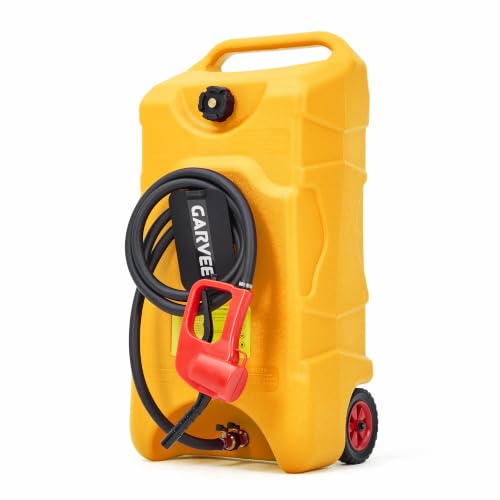
Heavy-Duty Gas Can Construction: Built from industrial-grade HDPE, this gas can and gas tank resists corrosion, dents, and UV rays for lasting durability. The reinforced walls and tough design make this gas caddy ideal for rugged outdoor use, emergency fuel storage, or demanding job sites in extreme temperatures.

Robust Tank Construction: Color: Black. Our portable diesel tank is constructed of high-quality polyethylene material, capable of handling changing weather conditions, and resists UV radiation. The upper lid is lockable by a copper lock that guards against theft and makes sure the security of operation. Put your tank first and get the job done right. The thickness is 6mm, and the thickest part can reach 12mm.
5 Simple Tricks to Keep Diesel Fresh for Years
To keep diesel fresh for years, you should follow five key practices. First, always seal your containers tightly. This reduces exposure to air, slowing down fuel oxidation that can make the diesel degrade faster. Second, regularly drain any free water from the tank bottoms. Standing water provides an ideal breeding ground for microbes, which can contaminate your fuel. Third, inspect your fuel after moisture exposure and promptly remove any accumulated water to prevent microbial growth. Fourth, keep your tanks and containers clean by removing sludge and sediments before storage. Dirty equipment can introduce contaminants that shorten diesel’s lifespan. Fifth, store diesel in cool, dry, shaded places and rotate your stock regularly. These measures limit oxidation, biological contamination, and chemical breakdown, helping your diesel stay viable for much longer without relying on additives. For electrical equipment like fuel pumps, using a deep cycle AGM battery ensures reliable power without the risks of spillage or off-gassing during storage. As a further savings tip, using consistent fuel storage practices can help you avoid the higher costs of replacing degraded fuel or buying a small generator for emergency backup. Meanwhile, always check the proper oil capacity of your generator before refueling to prevent equipment damage.

CONTROLLED FUEL TRANSFER: The patented manifold and Safe-Squeeze trigger provide smooth, glug-free dispensing with improved flow control. This safety gas can helps reduce spills and supports more accurate fuel transfer

12-GALLON (45L) FUEL TANK FOR BOATS: The Scepter Portable Boat Gas Tank provides ample capacity while maintaining a compact, space-saving profile for easy transport and storage; It is great for outboard motor boats and boaters who want longer running time

Large Capacity Storage: This 15-gallon caddy powers work and play in one go. It fuels multiple motorcycles or outdoor tools without constant top-ups, so you keep tasks moving and boost efficiency
How Fuel Additives Push Diesel Past 2 Years
You shouldn’t rely solely on additives to extend diesel storage life beyond two years. Your fuel needs to start as clean as possible, which means using high-quality, properly filtered diesel. Proper storage conditions are equally important—store the fuel in a cool, stable environment shielded from direct sunlight and temperature fluctuations. Even if you add treatment, it’s wise to perform lab testing around the two-year mark to check for signs of degradation. While additives help delay deterioration and improve fuel stability, they don’t guarantee indefinite storage life. To maximize your diesel’s longevity, focus on maintaining a clean starting point and a stable storage environment, treating the fuel appropriately, and periodically testing to catch any issues early.
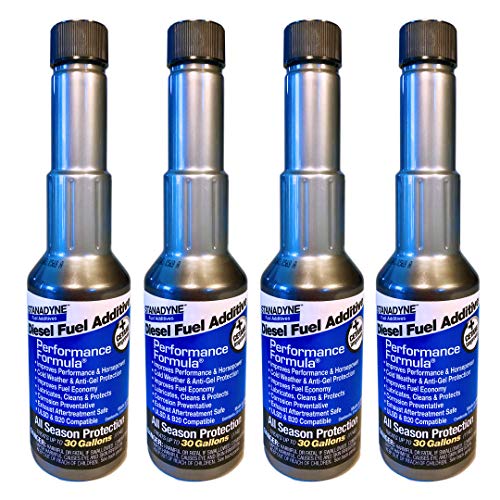
Improves Performance & Horsepower
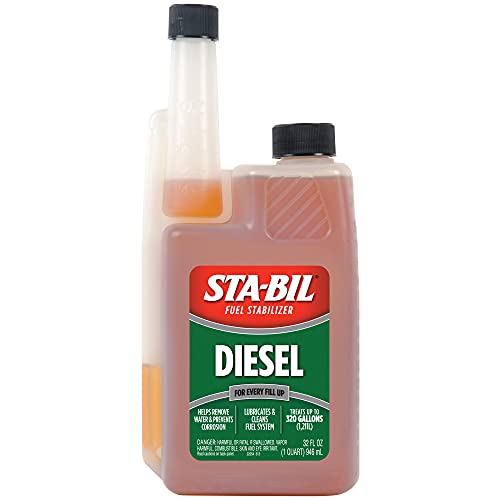
Advanced Sludge and Sediment Prevention: Unleash the power of our diesel fuel additive, designed to act as a formidable shield against sludge and sediment formation. It actively prevents the accumulation of harmful deposits in your fuel system, ensuring a cleaner and more efficient engine performance.

EVERYDAY TREATMENT: Keep your diesel engine in top condition with our EDT that is designed to improve performance & maintain engine health. With regular use, you can ensure your engine runs smoothly & efficiently giving you peace of mind on the road.
5 Warning Signs Your Diesel Needs Testing or Replacement
Signs that your diesel needs testing or replacement include several clear indicators. First, inspect the fuel’s color. Cloudy, dark, or hazy fuel suggests oxidation or the presence of water in suspension, both of which can harm engine performance. Second, check for water, sludge, or stringy material in fuel samples. Free water at the bottom of the container indicates contamination, while sludge and microbial byproducts point to microbial growth.
Third, monitor your fuel filters. More frequent clogging signifies debris or slime resulting from microbial activity building up in the fuel. Fourth, pay attention to engine performance issues. Difficult starting, rough idling, or loss of power can result from degraded or contaminated fuel affecting combustion.
Finally, smell for rotten-egg odors or examine tank fittings for corrosion. These signs each signal microbial growth or chemical reactions within the tank. When these signs appear, testing or replacing your diesel becomes necessary to prevent further engine problems. Using a reliable power inverter can help maintain critical electrical components during the testing process, ensuring accurate diagnostics.
Does Tank Material Affect Diesel Storage Life?
Tank material influences diesel storage life, but moisture control remains the most critical factor. Steel tanks are durable and resistant to impacts, but they are vulnerable to rust if water collects inside. Rust can quickly contaminate your fuel and shorten its usable lifespan. Fiberglass tanks do not rust, yet they can still harbor corrosion if internal metal components are present, meaning proper maintenance is essential regardless of material. Neither material completely prevents water ingress or condensation buildup. Effective management of moisture—keeping water near zero—is your best strategy for maintaining fuel quality. For homes that rely on a backup generator, a natural gas backup generator offers a cleaner alternative that avoids diesel storage concerns entirely. Proper tank design, including good venting and sealing, plays a more important role in long-term storage than the choice of material alone. For sensitive electronic equipment involved in fuel monitoring, using a surge protector can help ensure reliable operation and prevent damage from electrical spikes. When powering such monitoring systems, a reliable inverter generator ensures stable electricity to prevent equipment malfunctions.
When Old Diesel Can Be Saved vs. When It’s Trash
If your diesel shows signs of discoloration or contamination, you need to assess whether it’s salvageable or trash. Clear amber fuel generally indicates it can still be saved, especially if it has only minor discoloration and limited sediment. You can clean and filter this fuel, and remove free water to make it usable again.
However, if the fuel turns dark brown or black, it signals advanced oxidation or microbial growth, and may no longer be recoverable. Heavy sludge, a persistent water layer, or a strong rotten-egg odor are clear signs you should discard it. Microbial growth at the water-fuel interface creates a slimy coating on the tank walls, which makes the fuel trash and poses a risk to your equipment. If the fuel appears hazy or has already caused filter plugging, it’s best to dispose of it immediately to avoid equipment failure.
How to Calculate Your Diesel Storage Life Rotation Schedule
To calculate your diesel storage life rotation schedule, start by setting a target age limit based on your worst-case storage scenario. Assign each container a fill date using FIFO (first-in, first-out) so the oldest fuel gets used first. Match your rotation intervals to the type of container: sealed steel cans in cool indoor storage usually handle 12 to 18 months, while plastic cans stored in a garage may require shorter intervals of about 4 to 8 months. If your storage volume exceeds your typical usage, divide the stock into smaller batches to better manage timing. For bulk tanks, include periodic fuel treatments since they are harder to fully empty. To extend your rotation window, consider using the best fuel stabilizer for your generator to help prevent degradation. To further protect your engine, it is also wise to keep a quality 10W-30 oil on hand for routine oil changes. Schedule regular inspections to check for water or sediment buildup, and test your fuel at least every six months to ensure your rotation plan remains safe. Label each batch with purchase and treatment dates, and restore fuel stabilizer when adding new fuel to maintain quality. For diesel equipment that sits idle during long storage, a jump starter provides a safer, more portable alternative to a battery charger for reviving the battery without needing an outlet.

Great Product
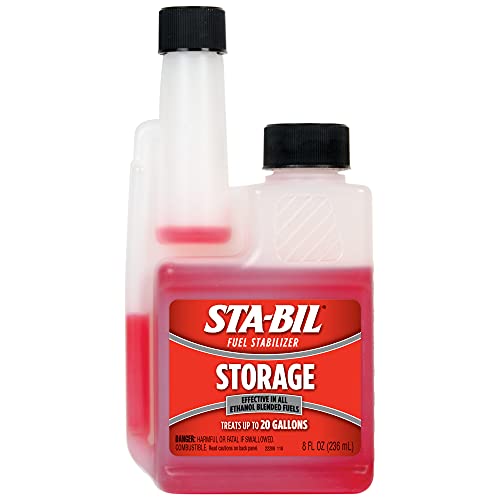
PRESERVES FUEL: This fuel stabilizer ensures keeps gasoline fresh for up to 24 months for storing vehicles that are not in use, boats, outdoor power equipment during winter months, or stocking up on fuel.

PRESERVES FUEL: This fuel stabilizer ensures keeps gasoline fresh for up to 24 months for storing vehicles that are not in use, boats, outdoor power equipment during winter months, or stocking up on fuel.