Ever wonder how a portable electric generator actually produces power? It’s more than just a simple motor; it uses fuel—like gasoline or propane—to generate electricity that keeps your appliances running during outages or outdoor trips.
By understanding the basic process, you’ll know how to choose the right generator for your needs. The full details are just below.
How Does a Portable Generator Turn Fuel Into Electricity?
A portable generator turns fuel into electricity through a multi-step process that begins with burning fuel in the engine’s combustion chamber. You typically start the generator by pulling a cord or pressing a button, allowing a steady flow of gasoline, diesel, propane, or natural gas to sustain continuous operation. Efficient fuel consumption extends runtime, so using good quality fuel and ensuring proper delivery are essential for stable performance. For those seeking cleaner power, the best inverter models often offer improved efficiency and quieter operation compared to conventional generators. Regularly testing the battery’s state of charge with a multimeter helps ensure reliable starting, which is a key part of routine battery maintenance.
Inside the engine, combustion releases chemical energy, which powers the moving parts and rotates the crankshaft. This rotational motion then drives the alternator’s rotor and stator. Essentially, you’re converting the chemical energy of the fuel into mechanical energy. The alternator uses electromagnetic induction: as the magnetic field within it changes, it induces a voltage in the windings, producing alternating current output. This voltage fluctuates between positive and negative peaks.
A voltage regulator then stabilizes this electrical output, ensuring it’s safe and consistent for your appliances. Noise levels can vary depending on engine design and quality, with better-built units typically operating more quietly.

𝗣𝗼𝘄𝗲𝗿𝗳𝘂𝗹 𝗢𝘂𝘁𝗽𝘂𝘁 - 4400 peak watts and 3400 running watts, perfect for RV camping and home backup

149cc engine generates up to 3600 surge watts and 2900 rated watts
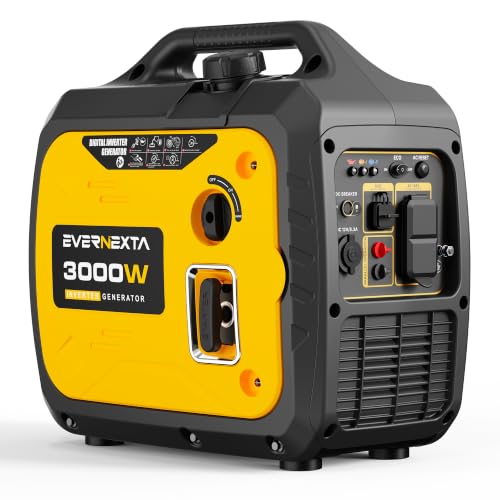
【Powerful Clean Inverter Power】3000 starting watts and 2350 running watts from a 97.7cc 4-stroke OHV engine. Inverter technology with THD under 3% delivers clean power for sensitive electronics.
What Are the Key Parts Inside a Portable Generator?
The key parts inside a portable generator include the engine, alternator, starter system, fuel and exhaust system, and control panel. The engine is an internal combustion unit that converts stored fuel into rotational energy; its size impacts both the power output and runtime. Fuel is stored in a tank, typically holding gasoline or propane, ensuring that the generator can run smoothly for a specified period. For camping, top-rated models also prioritize portable power stations for quiet, emission-free operation. Choosing the right battery for your solar charger depends on comparing features like capacity and chemistry to ensure compatibility with solar systems. For those using propane, selecting top propane tanks can significantly improve runtime and reliability.
The alternator, also known as the genhead, transforms the engine’s rotational motion into electricity through a rotor and stator assembly. The starter system can be a simple recoil pull-start or an electric start powered by a battery, providing quick ignition. The exhaust system, including a muffler and spark arrestor, safely directs combustion gases away from the generator and user.
Finally, the control panel contains outlets and circuit breakers. These components protect your connected devices from overloads and short circuits, allowing you to plug in with confidence and operate the generator safely.
Step by Step: How a Generator Creates Electricity From Start to Outlet
The spinning crankshaft turns the alternator’s rotor, which creates a changing magnetic field. This magnetic field then induces an electric current in the stator’s stationary coils. At this stage, you’re not yet getting usable electricity; this is just the initial generation of alternating current. The alternator’s stator houses six coils wound to enable three-phase power output. Even with fresh fuel, a failing alternator can cause power fluctuations similar to a propane tank needing replacing. Unlike a generator that produces raw alternating current, a power inverter first converts AC to DC and then back to a clean AC waveform to ensure stable power for sensitive electronics.
Next, the electrical current flows into the voltage regulator. The regulator’s job is to keep the voltage steady despite fluctuations in the load or engine speed. By preventing voltage spikes or drops, it ensures the power remains consistent. Finally, this stabilized electrical power is directed straight to your outlet, ready for your tools and appliances. As long as the fuel burns steadily, your generator can provide reliable, continuous electricity.

【Versatile Applications】4~8.5KW generators AVR regulator fits for Generac Honeywell 0H2579B 0G99240101 GP5500 GP6500 GP6500E GP7500E GP8000E XG7000 XG8000E XG6500 XP6500E XT8000E, for Firman AVR 6500 thru 8500 P05706 P06702 P06001 P05701 P06701 P05700 ECO9000E, for Westinghouse 5500 thru 7000 WGen6000 WGen5500 WH5500 WH5500C WH6500 WH6500C generator engine.

Applicable Battery Models: This inverter is specifically designed Compatible with Dewalt 18V/20V batteries (e.g., DCB206, DCB205, DCB204 more), Easy to use even when there is no power supply outdoors, as long as you bring batteries. (NOTE: Battery is not included).

224cc dual-fuel engine runs on both gasoline (6800 surge watts, 5100 rated watts) and propane (6000 surge watts, 4500 rated watts)
AC vs. DC: Which Output Powers Your Appliances?
Most portable generators produce AC—alternating current—for their main outlets, much like the wiring in your home. This type of power is what your appliances rely on for consistent voltage and enough wattage to operate properly. You also find a 12V DC port on many generators, but it’s solely for charging batteries or powering low-energy accessories. Do not connect household appliances like lamps or refrigerators directly to the DC port because it doesn’t provide the suitable voltage or stability. Even inverter generators, which offer cleaner power for sensitive electronics, supply AC at their outlets. When selecting a generator, prioritize its AC output capacity because that’s what consistently drives most household and outdoor appliances. Use the DC port only for its designated purpose of charging batteries or low-power devices.

【SLIM & POCKETABLE】This portable power bank is about the size of a smartphone (6.5×3.3×4 inches) and weighs only 2.54 pounds. It features an ergonomic soft handle for easy portability. It easily fits into a backpack for convenient portability. Pro Tip: Fully charge and discharge the battery twice initially for the best experience.(Solar panel and cable not included)

Portable & High Capability Portable Power Station 300w - with 9 x 5.5 x 7.5 inch body size, compact and easy carry on the go, 300 watt-hours capability of power, great companion for outdoor off-grid activities, 80000Amh sufficient to power for extending explore nature, camping, travel, hunting, and more

Efficient Output: This portable power station features 8 output ports, including 2 AC sockets (110V 120W, 240W peak), 1 USB-C port (18W), 2 QC 3.0 USB ports, 1 USB port (5V 2.4A), and 2 DC ports (12V/10A). The LED display clearly shows the working status and remaining power. Ideal for camping and outdoor adventures, this camping power bank can power devices like night lights , mini fans, and below 120W other essential equipment, making it a reliable companion for your trips
Inverter vs. Standard Generator: Which Is Better for Your Gear?
Inverter generators are the better choice for powering sensitive electronics like laptops or TVs. They produce clean power with under 3% total harmonic distortion, creating a stable sine wave that minimizes the risk of damaging your devices. Standard generators, on the other hand, typically have higher harmonic distortion, which can lead to glitches or potential harm to delicate electronics.
In addition, inverter units excel in fuel efficiency and noise reduction. Their engines adjust speed based on load, burning less fuel and operating more quietly. This makes them ideal for camping trips or working near people who might be disturbed by noise. Standard generators run at a constant speed, which wastes fuel and produces louder operation. Although they are generally cheaper per watt, if you need safe, stable power, an inverter generator is the smarter investment.

Powerful & Clean Energy Output:4500W peak watts / 3500W running watts, delivering dependable power for RVs, camping, home backup, and outdoor work. Advanced inverter technology provides clean and stable electricity, making it safe for sensitive electronics like laptops, CPAP machines, and mobile devices.

𝗣𝗼𝘄𝗲𝗿𝗳𝘂𝗹 𝗢𝘂𝘁𝗽𝘂𝘁: 2800 peak watts and 2000 running watts, gas powered by 79.8CC 4-stroke OHV engine, 1.1 gallon fuel tank with fuel indicator, runs for up to 9 hours at 25% load, with parallel function and ECO mode, perfect for camping and home backup emergency use.

Powerful & Clean Energy Output:2400W peak watts / 1800W running watts, delivering dependable power for RVs, camping, home backup, and outdoor work. Advanced inverter technology provides clean and stable electricity, making it safe for sensitive electronics like laptops, CPAP machines, and mobile devices.
How to Safely Run a Generator Without Damaging Appliances
To safely run a generator without damaging your appliances, follow these guidelines. First, match your generator’s running and starting wattage capacity to the total load of the appliances you intend to power. Add devices one at a time, allowing the generator to stabilize between connections, to prevent voltage drops caused by overloads.
Use heavy-duty, outdoor-rated extension cords to connect appliances directly to the generator outlets. Always plug in the most critical devices first and avoid overloading the generator beyond its capacity. Never backfeed power through a wall outlet; instead, have a transfer switch installed by a qualified electrician to ensure safe and code-compliant transfer of power.
For sensitive electronics, opt for a generator with inverter-style output, which provides cleaner, more stable power that reduces the risk of damage. Before connecting delicate devices, let the generator run for a few minutes to stabilize. Consider installing surge protectors to shield electronics from power spikes.
Always set up your generator outdoors in a dry, well-ventilated area to prevent carbon monoxide buildup and reduce noise. Start the generator before plugging in loads, and disconnect appliances before shutting down. Continuously monitor your total load to prevent overloads and optimize fuel efficiency. Automatic load shedding using a device like Generac’s Load Manager can shed high-wattage appliances when generator frequency drops, then reconnect them safely in priority order. Proper load management not only shields your appliances but also extends your generator’s lifespan and ensures quieter operation. Keep extension cords in good condition, avoiding any damage or pinching, for safe and reliable power delivery.
Common Mistakes That Shorten Your Generator’s Lifespan
Poor fuel storage is one of the most common mistakes that shorten your generator’s lifespan. Leaving old gasoline in the tank for months causes varnish buildup, which can clog your carburetor and hinder engine performance. To avoid this, either empty the fuel system completely or add a fuel stabilizer before storing the generator long-term. Neglecting oil maintenance also significantly damages your generator. Skipping oil changes allows lubricant to break down, increasing friction and accelerating engine wear. Using oil with the incorrect viscosity speeds up this damage even more. For example, choosing a high-quality 10W-30 oil helps protect the engine during operation. Additionally, avoid overloading your generator by exceeding its rated capacity, as this stresses the engine and alternator, increasing the risk of early failure. For trucks, using a top power inverter ensures reliable AC power without overloading the vehicle’s electrical system. Other harmful habits include letting the tank run dry or running the generator in confined spaces, both of which add unnecessary strain and can cause damage. Just as with a car battery, failing to perform regular maintenance can lead to expensive and premature equipment failure. Steering clear of these common mistakes helps extend your generator’s operational life.
Simple Maintenance to Keep Your Generator Running for Years
Proactive maintenance is key to keeping your generator dependable for years. Start by checking the oil before each use, and change it after the first 20 to 30 hours. After that, change the oil every 50 to 100 hours of operation or once a year, whichever comes first. Warming up the engine before use helps ensure better oil drainage and reduces strain on the parts. Always avoid overfilling the oil reservoir, as too much oil can cause leaks or engine damage.
Fuel storage requires attention too. Use fresh gasoline no older than 30 to 60 days without a stabilizer to prevent engine issues. If your generator will be idle for an extended period, drain the carburetor to prevent gumming and clogging. Check the spark plug every 100 hours or once a year—replace it if you notice signs of wear or damage to ensure reliable starts. Keep the air filter clean or replace it regularly to maintain proper airflow and engine efficiency. Unlike a jump starter, understanding the differences in battery charger performance can help you choose the right device for your setup. For those prioritizing low noise, selecting a model with an integrated muffler significantly reduces sound output during operation. For fuel-related tasks, a reliable propane tank can also simplify your setup by offering a clear view of remaining fuel levels.
Exercise your generator monthly by running it under a light load for 15 to 30 minutes. This helps prevent fuel system issues and keeps internal parts lubricated. When storing the unit, keep it dry, off concrete surfaces, and free of debris. Regularly inspect your generator for leaks and clean any dirt or debris that may accumulate on vents or other components. Staying on top of these simple maintenance tasks helps avoid costly repairs and ensures your generator is ready when you need it. Before performing an oil change, always run the generator to operating temperature to ensure the old oil drains completely and carries away more contaminants.
What Should You Look for When Buying a Portable Generator?
When buying a portable generator, you need to focus on five key factors: power output, fuel type, generator type, outlets, and safety features.
Start by calculating your total running wattage for all devices you plan to power simultaneously and add the highest starting watt surge. Including a 20% safety margin helps prevent overloads. Next, select a fuel type based on your runtime needs: gasoline provides high output but has a shorter shelf life, while propane offers better fuel efficiency and longer storage. Dual-fuel models give you the flexibility to switch between fuels during prolonged outages.
Generator type influences power quality. Inverter generators produce cleaner energy with total harmonic distortion below 5%, making them ideal for sensitive electronics. Standard generators are suitable for power tools and less delicate equipment. When choosing outlets, match them to your devices—common items run on 120V, heavy appliances like pumps may need 240V, and USB ports are convenient for charging small electronics.
Safety features are crucial. Look for built-in carbon monoxide sensors and certification from reputable standards organizations such as CSA. Consider the brand’s reputation to ensure better support and reliability. Finally, check noise levels, ideally under 65 decibels, for quieter operation, and look for mobility features like wheels if you plan to move the generator frequently.

5500W Peak Power & 120V/240V Versatility: Driven by a robust 223cc 4-stroke OHV heavy-duty engine, this inverter generator delivers 5500 peak watts and 5000 running watts. Featuring a rare L14-30R 120V/240V switchable outlet, it is powerful enough to drive heavy-duty equipment like large table saws and air compressors, or serve as a reliable shore power interface for yachts and boats.
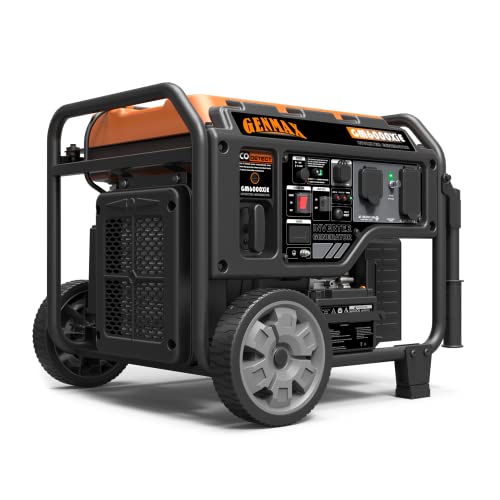
【Strong Power】312cc 4-stroke OHV high speed engine produces 6000 peak watts and 5250 rated watts with Inverter technology dramatically reduces noise levels and provides clean, stable power for sensitive electronics, tools and appliances with clean power (less than 3% THD). This generator is perfect for emergency home power, jobsite use, or camping with your RV.
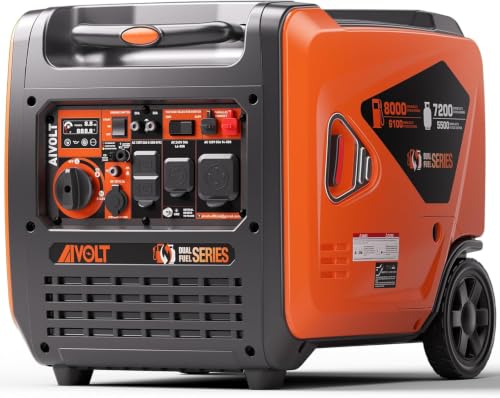
Powerful and Efficient Performance - The AIVOLT inverter generator powered by a 322cc 4-stroke OHV engine with 100% copper windings, deliver 8,000W surge power & 6,100W running watts. Eco-Mode slashes fuel costs with over 10 hours of runtime at 25% load. Ideal for RVs, job sites, and emergency backup, it offers reliable power when you need it most, while keeping fuel consumption low for cost efficiency