
Wondering how long a deep cycle battery will actually last? The answer varies, but most can last between 3 and 10 years with proper care.
Factors like how you use, maintain, and the type of battery all play a role.
Keep reading to learn what you need to do to get the most life out of yours.
How Long Do Deep Cycle Batteries Actually Last?
Deep cycle batteries typically last between 3 to 10 years, but most fall within the 3 to 6 year range during actual use. The lifespan depends heavily on the type of battery and how you use it. Lead-acid batteries—flooded, AGM, or gel—generally provide between 300 and 1,800 charge-discharge cycles. Lithium iron phosphate (LiFePO4) batteries, however, can reach 2,000 to 5,000 cycles, translating into an 8 to 15+ year lifespan. For those relying on portable solar generators, choosing a compatible deep cycle battery is essential to ensure reliable power and maximum performance. Quick test methods, such as checking voltage under load, can help you assess early warning signs of battery failure.
Your battery’s cycle longevity is closely tied to the depth of discharge. Draining a battery to 80% capacity typically yields around 675 cycles, but limiting the discharge to 40% can increase that number to approximately 1,475 cycles. Temperature also plays a critical role: exposing your batteries to extreme heat or cold can significantly cut their lifespan. To maximize longevity, store batteries at moderate temperatures and avoid deep discharges whenever possible. Unlike diesel in an oil tank, which requires strict safety rules to prevent contamination and fire hazards, battery care focuses on discharge and temperature management. When a battery finally reaches the end of its life, recycling it responsibly is essential to reduce environmental impact.
What Shortens a Deep Cycle Battery’s Life?
Heat is your battery’s biggest enemy. Every 18°F above 77°F can cut its lifespan in half by speeding up grid corrosion and increasing water loss. High temperatures accelerate chemical reactions inside the battery, causing it to degrade faster and require more frequent replacements. A similar principle applies to electrical panels, where a proper grounding connection is critical for safely directing surges away from sensitive components. For off-grid setups, choosing top propane tanks with stable fuel delivery can prevent sudden power interruptions that strain the battery. Keep your deep cycle battery in a cool, well-ventilated area to extend its life and maintain optimal performance. Matching your battery with a top power inverter for trucks ensures efficient energy use and reduces thermal strain during operation.
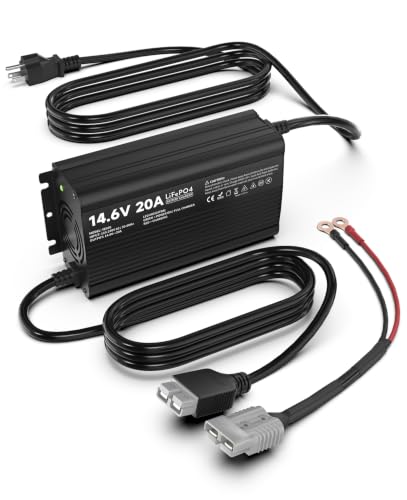
Designed for 12.8V LiFePO4 lithium iron phosphate batteries and compatible with 12V lead-acid batteries, this 14.6V 20A battery charger delivers fast, stable charging for deep cycle battery systems. Only suitable for batteries with a capacity of: 12.8V LiFePO4 50Ah–200Ah and 12V lead-acid 100Ah–200Ah.

BATTERY SPECS: 12-Volt, 450 Cold Cranking Amps, Size: 9 5/16" x 5 1/16" x 8 15/16" tall, Weight: 26 pounds, SAE Post, C20 Capacity: 38 AH
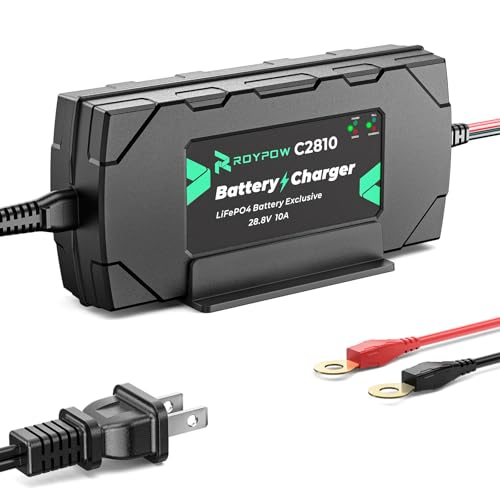
【Specially Designed For LiFePO4 Batteries】: RoyPow 24V 10A lithium charger is uniquely designed for 24V LiFePO4 batteries. It is well constructed with a heavy wall cord and comes with battery charging cables. It enables more than 88% high charging efficiency for LiFePO4 battery charging, maximizes and optimizes the lithium battery performance, and extends the battery lifetime.
How Depth of Discharge Ruins a Deep Cycle Battery
Draining your deep cycle battery beyond 80% depth of discharge significantly shortens its lifespan. When you regularly deplete it past this point, the stress on the plate material intensifies, leading to faster degradation of the battery chemistry. This accelerated wear reduces the total number of usable cycles you can get from the battery over its lifetime. Additionally, deeply discharged cells become harder to recharge efficiently, often resulting in sulfation buildup that hampers performance. While lithium batteries tolerate deeper discharges better than lead-acid types, pushing beyond 80% DoD still causes notable cycle loss. To preserve your battery’s longevity, keep the discharge shallow and avoid deep, frequent drains. Understanding fuel storage capacities helps you correctly size a backup power system for extended runtime with your generator. For generators, using high-quality diesel fuel minimizes sulfation risks in the battery charging system. A properly sealed jerry can design prevents moisture ingress that could contaminate the fuel supply.
Why Deep Cycle Battery Cycle Life Matters More Than Years
Cycle life matters more than years because it directly indicates how many times your deep cycle battery can be charged and discharged before its capacity diminishes significantly. A battery sitting on a shelf might last many years in storage but won’t perform when you need it. Conversely, a battery with a high cycle count can be used repeatedly, providing reliable energy over its lifespan. Factors like manufacturing quality and proper charger compatibility influence cycle life—poor quality or mismatched chargers can reduce the total number of cycles you get. If you’re cycling your battery daily, it will reach its end of life long before the warranty period is over. Focusing on cycle count helps you time replacements more accurately, ensuring you get maximum value from your investment. For example, top-rated generators with covers also emphasize reliable power sources that depend on durable batteries. Reviewing the power inverter features recommended in expert guides can help you select a charger that protects battery life. Ultimately, more cycles mean the battery can handle more charging and discharging before needing replacement, making cycle life the more practical measure of durability for deep cycle batteries. Choosing a power station with superior cycle longevity can further maximize your return on investment.
How Heat, Overcharging, and Neglect Kill a Deep Cycle Battery
Heat, overcharging, and neglect are major killers of deep cycle batteries. A temperature increase of just 8°C above 25°C can cut your battery’s lifespan in half. For example, a 10-year battery operating at 25°C may only last 30 months if it consistently runs at 41°C. Heat causes cumulative damage that cannot be reversed, so managing temperature is crucial. Overcharging is equally destructive; it boils electrolyte, damages plates, and can reduce a battery’s lifespan from 3–5 years down to just 1–2 years. Neglecting maintenance, like leaving the battery discharged or neglecting electrolyte levels, promotes sulfation—hard crystals that form on plates and resist recharge, permanently lowering capacity. Failing to keep electrolyte levels adequate exposes plates to damage and accelerates failure. Using a proper battery charger or jump starter can help manage these risks by applying the correct voltage and preventing the deep discharge that worsens sulfation. Without proper routines—like prompt recharging, controlling voltage, and cleaning terminals—you risk losing capacity and shortening your battery’s life. Proper temperature control and charge management are essential to prevent early death. Choosing a charger with LiFePO4 compatibility ensures the voltage profile matches the battery chemistry, avoiding overcharge damage. For portable power setups, pairing your battery with an inverter designed for clean sine wave output helps maintain stable charging conditions.

MEET THE GENIUS1 — Similar to our G750, just better. It's 35% smaller and delivers over 35% more power. It's the all-in-one charging solution - battery charger, battery maintainer, trickle charger, plus desulfator.

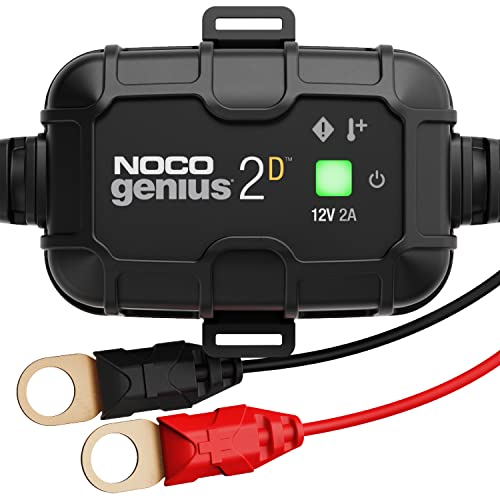
MEET THE GENIUS2D — The all-new direct-mount onboard battery charger for an under-the-hood battery charging system and year-round battery maintenance.
Flooded Lead-Acid vs. AGM vs. Gel: Which Deep Cycle Battery Lasts Longest?
Gel batteries tend to last the longest among deep-cycle options if you use the correct charger settings, with a lifespan of 5 to 10 years. Proper matching of charger and battery is critical because incorrect charging parameters can cause rapid failure. AGM batteries generally offer a reliable 4 to 7 years of service and are maintenance-free, making them a solid middle ground for many applications. Flooded lead-acid batteries are the most affordable initially but typically only last 3 to 5 years in regular cycling, mainly because they require constant watering and careful maintenance. With strict upkeep, some flooded batteries can reach up to 8 years, but neglecting maintenance often shortens their lifespan significantly. Understanding total amp-hour capacity helps you plan how long a battery can power your generator-dependent loads before recharging. Always remember that recycling at end of life is necessary for all types, and using the proper charger is essential for maximizing battery lifespan and avoiding early failure. Just as kerosene can degrade over time due to chemical changes, batteries also require proper storage conditions to prevent premature deterioration. When paired with an inverter generator that supplies clean power output, a deep cycle battery can achieve its maximum service life without premature degradation.

🔋【3-in-1 Battery Charger, Desulfator, Maintainer】The 12V 24V battery charger is designed to charge and maintain 12 volts or 24 volts batteries, it can works as 12Amp quick battery charger. Compatible with all 12.6V Lithium-ion batteries,12V and 24V lead-acid automotive,marine, deep-cycle batteries: flooded,gel,AGM,maintenance-free,WET,CAL,EFB batteries in Car,motorcycle,lawn mower,ATV,truck,tractor,SUV,boat marine, etc.🎁Nice holiday gifts for Christmas day,New year,etc.

Power Up Any Battery: Our smart lithium battery charger is not only capable of charging lead-acid batteries (6/12/24V), lithium batteries (12/24V), and LiFePO4 batteries (12/24V), but it can also maintain and desulfate lead-acid batteries. Max. Charging Current: 20A. You can adjust the current based on your battery specifications to enhance charging efficiency. Don't miss out on this powerhouse of a battery charger!

Efficient, Energy-Saving, and Fast Charging: The TowerTop 12v battery charger offers 4 adjustable current settings (2A/10A/25A/AUTO) to meet your diverse needs. With a max charging current of 25A, you can fully charge a 100Ah battery in under 3.5 hours. Achieving an 85% charging efficiency (industry average 75%), this battery chargers is more efficient, increasing charging speed by 1640% compared to 2A car battery charger. Not only is it energy-efficient, but it also saves you a lot of wait time
Which Deep Cycle Battery Types Actually Last 10 Years?
LiFePO4 lithium batteries are the most reliable deep-cycle option for reaching a 10-year lifespan. They typically last between 10 to 15 years with proper maintenance. Their stable chemistry allows for thousands of charge-discharge cycles with minimal capacity loss, making them ideal for long-term use. To maximize their lifespan, you should store them in a cool, dry environment and avoid complete discharges frequently. Nickel-iron batteries can also last 10 to 20 years, but they are less common and require more upkeep. In contrast, premium sealed lead-acid batteries can reach 10 years only if used in light-duty standby applications and not for frequent cycling. For comparison, flexible solar panels generally have shorter lifespans than rigid ones, making battery choice even more critical for long-term setups. Building a DIY generator enclosure can help protect your battery investment from weather and physical damage. Overall, LiFePO4 batteries stand out as the most dependable choice if you want your deep-cycle battery to last a decade or more.
5 Warning Signs Your Deep Cycle Battery Is Nearing the End
Reduced charge retention is a key sign your deep cycle battery is nearing the end of its lifespan. When the battery can no longer hold a full charge for as long as it used to, you’ll find yourself recharging more frequently. This drop in capacity is often one of the earliest indicators of declining performance. Additionally, if your battery’s run time becomes noticeably shorter despite similar usage, it’s a clear sign that its internal health is deteriorating. Regularly monitoring voltage levels during discharges can help you spot this issue early. When charge retention consistently diminishes, it’s time to consider a replacement or proper recycling to avoid unexpected failures.

𝗘𝗫𝗔𝗖𝗧 𝗗𝗜𝗠𝗘𝗡𝗦𝗜𝗢𝗡𝗦: Compact 7.14" x 3.01" x 6.59" (LxWxH) form factor and lightweight 12.46 lbs build. please confirm the battery can fit your device's battery compartment before ordering.

FITS GROUP 27 BATTERIES: Securely holds larger marine and RV batteries up to 10.5 inches high; interior measures 13.06 x 6.9 x 10.5 inches for a precise, reliable fit

ML18-12 SLA is a 12V 18AH Sealed Lead Acid (SLA) rechargeable maintenance free battery - UL Certified
3 Habits That Double Your Deep Cycle Battery’s Cycle Count
To double your deep cycle battery’s cycle count, you need to develop three core habits. First, always recharge the battery after each use—don’t let it sit empty. Doing so within 24 hours prevents sulfation, which degrades the plates. Ensuring a full charge is maintained supports long-term health, so avoid storing the battery partially charged or discharged for extended periods.
Second, avoid deep discharges. Keep the battery’s state of charge above 50% during regular use to minimize plate damage and sulfation buildup. Deep cycling—letting the charge drop below 20%—accelerates wear and reduces cycle life. For optimal longevity, always recharge fully after intensive use or when the charge approaches 50%.
Finally, use a proper multi-stage charger tailored to your battery type. A three-stage charger—which includes bulk, absorption, and float phases—delivers controlled and optimized power. Matching the charging settings to your battery type, such as AGM, gel, or flooded, as well as applying temperature compensation, prevents overcharging and thermal stress. This careful charging approach effectively doubles your battery’s cycle count over time.
How to Match a Deep Cycle Battery to Your Real-World Usage
To match a deep cycle battery to your real-world usage, start by calculating your daily amp-hour (Ah) consumption. For lead-acid batteries, size the battery roughly twice your daily Ah to keep the depth of discharge (DoD) near 50%, which helps extend its lifespan. For example, if you use 50 Ah daily, select a lead-acid battery of around 100 Ah. LiFePO4 batteries allow closer sizing to your daily Ah divided by 0.9, since you can typically use 80–100% of their capacity. Using the same 50 Ah daily use, a LiFePO4 battery around 56 Ah (50 ÷ 0.9) would suffice.
Always include an additional margin of 10 to 20 percent for aging, temperature variations, and future load increases. Your duty cycle influences the best chemistry choice: lead-acid batteries are suitable for light, infrequent cycling, while LiFePO4 batteries excel under heavy, daily draws due to their higher cycle life. To determine runtime, focus on usable Ah—where a 100 Ah lead-acid battery provides about 50 Ah usable at 50% DoD, whereas a LiFePO4 battery offers 80 to 100 Ah usable at 80–100% DoD. Proper maintenance and correct charging are essential for ensuring optimal performance. Recheck your battery sizing whenever your loads or seasonal demands change.

MAINTENANCE FREE: 12.99x 6.73x 8.43 inches. Weize 12v 100Ah sealed lead acid battery is manufactured with absorbent glass mat(AGM), which can help to save you from acid leakage and frequent maintenance. Terminal: Left : Positive (+)-Red, Right: Negative (-)-Black. Terminal: Left : Positive (+)-Red, Right: Negative (-)-Black.

Renogy AGM Batteries: Trusted Worldwide, Exceptional Safety, Extreme Performance! Support series (No limitation), parallel (Up to 4P) connections

Deep Cycle Battery 12V 100 Amp Hour Sealed Lead Acid Rechargeable ; Parcel: 1 x Battery (screws included, but no wire harness or mounting). Terminal: Left : Positive (+)-Red, Right: Negative (-)-Black.


