Wondering how long fuel stabilizer keeps your gas fresh? Typically, it lasts between 12 and 24 months, but this can vary based on the product and storage conditions.
An unopened bottle can stay effective for several years, while an opened one usually needs to be used within about two years after breaking the seal.
Proper storage in a cool, airtight container helps maximize its lifespan. Keep an eye out for sediment or sour smell to know when it’s time to replace your stabilizer.
The full details below will help you keep your engine running smoothly.
How Long Does Fuel Stabilizer Keep Your Gas Fresh?
Fuel stabilizer typically keeps gasoline fresh for about 12 months. Some products, when used at the correct dosage, can extend that period up to 24 months. For example, the STA-BIL Storage Fuel Stabilizer is designed to keep fuel fresh for up to two years. The chemical makeup of your fuel influences this timeframe—ethanol-blended gasoline tends to degrade faster, lasting only 6 to 12 months even with stabilizer. In contrast, ethanol-free fuel maintains its quality longer, often nearing the upper limits of these claims. Storage conditions play a crucial role as well; storing fuel in a cool, airtight container away from heat and sunlight helps preserve freshness. For those using a portable generator, matching the stabilizer with a reliable inverter ensures your stored fuel powers equipment efficiently when needed. Always add stabilizer to fresh fuel immediately and avoid using it on fuel that has already started to go bad. For those who store fuel to power equipment like generators, investing in a high-quality propane tank can further ensure reliable performance and fuel longevity. Additionally, pairing a stabilizer with a 10W-30 oil for generators helps protect the engine during extended storage periods.

Great Product

PRESERVES FUEL: This fuel stabilizer ensures keeps gasoline fresh for up to 24 months for storing vehicles that are not in use, boats, outdoor power equipment during winter months, or stocking up on fuel.
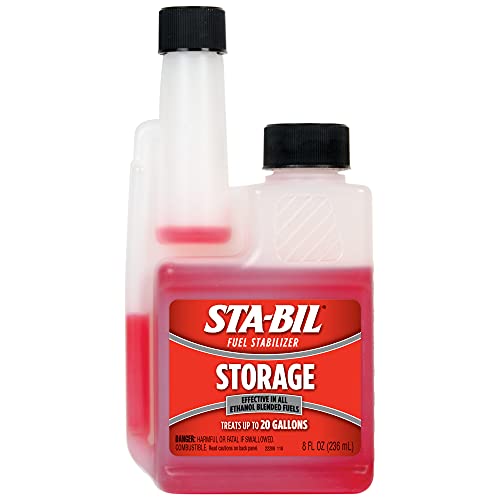
PRESERVES FUEL: This fuel stabilizer ensures keeps gasoline fresh for up to 24 months for storing vehicles that are not in use, boats, outdoor power equipment during winter months, or stocking up on fuel.
How Long Does an Unopened Bottle of Stabilizer Last?
An unopened bottle of fuel stabilizer typically remains effective for about 2 to 5 years. Most manufacturers recommend using stabilizer within this timeframe to ensure optimal performance. For example, STA-BIL suggests its product is good for roughly five years when stored properly. However, this shelf life can vary depending on the brand and the chemical composition. Proper storage is crucial: keep the sealed bottle in a cool, dry, dark place. Heat, direct sunlight, and moisture speed up chemical degradation and diminish the stabilizer’s effectiveness. Since calendar age alone isn’t a reliable indicator, inspecting the liquid before use is essential. Look for signs of aging such as darkening, sediment formation, or flaking—if these appear, replace the stabilizer even if the seal remains intact. When stored correctly, an unopened, sealed bottle can retain its potency well beyond the minimum period, offering your engine protection when needed.
How Long Does an Opened Bottle Still Work?
Once you open a bottle of fuel stabilizer, its effective shelf life drops to about two years for reliable storage protection. Exposure to air quickly impacts its chemical stability by degrading the active ingredients, which diminishes its effectiveness over time. To prolong its usability, you should always seal the cap tightly after each use and store the bottle upright in a cool, dry place. These storage practices slow oxidation and help maintain the stabilizer’s potency. Repeatedly opening the container or leaving significant empty space inside accelerates its decline, so use within the recommended period. Even if the stabilizer appears fine after two years, avoid relying on it for long-term fuel preservation since it may no longer perform properly. Look out for sediment, flakes, or crystallization as signs that the stabilizer has gone bad. If these are present, replace the bottle immediately. Marking the date when you open the bottle can help you keep track of when it’s time to switch to a fresh supply. Following proper safety rules ensures you handle expired stabilizer without risking contamination or improper disposal. For new users, it is essential to measure the stabilizer precisely to avoid beginner mistakes that can lead to engine issues. Similar to deep cycle battery testing, chemical additives degrade over time and require periodic checks to ensure they remain effective.
How to Treat and Store Fuel for Maximum Shelf Life
Treat fuel before it degrades by adding stabilizer at the time of storage, not after the fact. Use an ethanol-compatible stabilizer for modern pump gas to ensure compatibility. Fill your tank or container close to full to minimize air space and reduce oxidation. Briefly run the engine after adding stabilizer so the treated fuel reaches the carburetor and fuel lines, preventing gum deposits. A fuel stabilizer works by slowing the chemical breakdown of fuel molecules, preventing varnish and corrosion during inactivity.
Use approved storage containers with tight seals to reduce evaporation and contamination. Keep them closed between uses; metal cans offer better protection against leaks and temperature fluctuations than open containers. Label each container with the treatment date to facilitate rotation and replenish older fuel first. Avoid unnecessary transfers, which can introduce dirt and water contamination.
Store fuel in a cool, stable environment away from sunlight. Temperature fluctuations cause condensation inside containers, shortening fuel shelf life. A shaded, climate-controlled space is ideal for long-term storage. Regularly check stored fuel for signs of cloudiness, odor changes, or sediment buildup. Rotate your supply using the first-in, first-out system to ensure freshness, prioritizing high-value equipment. Never rely solely on stabilizer to fix already stale fuel; it can only slow deterioration, not reverse it. If building a power station from scratch, consult a complete DIY guide for component and wiring safety. A DIY portable power station requires similar careful storage of fuel for its generator to ensure reliable operation.

New Standard of Antioxidants and Anticorrosives

Product Type: Auto Accessory

Made in United States
When Should You Replace Fuel Stabilizer or Stale Fuel?
You should replace stale fuel before storing your equipment for an extended period, especially if the fuel is over a year old or has experienced phase separation. Do not attempt to revive old fuel with additional stabilizer because stabilizer only prolongs the fuel’s life; it cannot restore fuel that has already degraded. When preparing equipment for seasonal storage, drain and discard any fuel that’s beyond its safe window. Always match your fuel replacement timing to your specific fuel type and container seal to ensure reliable engine performance and prevent damage. For propane-powered equipment, follow the same precaution by storing the tank in a cool, well-ventilated area away from heat sources and living spaces.

Push Rod Guide Plate For H-da GX240 GX270 GX340 GX390 11HP 13HP Gas Engine Replacement Parts 14791-ZE2-010

Fit for Cadillac Catera 1997 - 2001 Trunk
Matches OE form, fit and function
How to Tell If Your Stabilizer or Fuel Has Gone Bad
To tell if your fuel has gone bad, perform sensory checks focusing on color, smell, and engine performance. Fresh gasoline typically appears clear or pale yellow; if the fuel darkens to amber or brown, it’s a sign of aging. Cloudiness or layering within the fuel indicates water contamination or oxidation, which can harm your engine.
Next, assess the fuel’s smell. Fresh fuel has a sharp, clean scent. However, if it smells sour, varnish-like, or resembles paint thinner, it’s a clear sign that the fuel has deteriorated and should be replaced. Engine issues such as difficulty starting, rough idling, sputtering, or reduced power also suggest degraded fuel.
Additionally, inspect your stabilizer if you use one. A stabilizer that has turned dark, thick, or contains flakes or sediment no longer effectively protects the fuel. Since stabilizer cannot revive stale fuel, replace both the fuel and the stabilizer if you notice these signs. Always follow safe operating tips when handling any degraded fuel or stabilizer to prevent sparks or spills. For easier visual checks, always store fuel samples in a clear container.