Wondering how long you can safely keep gas in a can? The answer depends on storage conditions and whether you add a stabilizer.
Typically, gas can last about 30 days before it starts to degrade, but with proper care, it might hold up to 60 days. After that, it’s best to use or refresh the fuel to avoid engine issues.
Keep reading to learn how to maximize your stored gas’s lifespan.
How Long Does Untreated Gas Actually Last in a Gas Can?
Untreated gasoline typically lasts about 30 days when stored properly, but this can vary significantly with storage conditions. In a cool, sealed environment, the fuel may remain usable slightly longer—up to about 60 days—though even then, degradation begins gradually. The key to extending fuel life is to minimize air and moisture in the container, which is why using a compact inverter for portable generators often includes tips on fuel management to ensure consistent performance. Exposure to heat and air accelerates fuel breakdown, leading to poor engine performance, stalling, and hard starts long before any visible signs appear. After this period, the fuel starts to oxidize and form varnish-like deposits, which can clog carburetors and fuel lines. For the best reliability, it’s recommended to use untreated gas within three months. If you need a longer shelf life, opting for ethanol-free fuel can add a few extra weeks of usability. It is equally important to keep the gas can away from heat sources, just as you would store a propane tank in a well-ventilated outdoor area away from direct sunlight. For camping gear like generators, storing fuel properly is critical because quiet generator reviews emphasize that fuel freshness directly affects performance and starting reliability.

Great Product

UNLEASH YOUR ENGINE'S FULL POTENTIAL - Star Tron Enzyme Fuel Treatment uses advanced enzyme technology to ensure all engines start easily and run smoothly, even after months of inactivity

New Standard of Antioxidants and Anticorrosives
What Exactly Causes Gasoline to Go Bad Over Time?
Gasoline goes bad over time mainly because of evaporation, contamination, and chemical changes. Light, volatile hydrocarbons evaporate gradually, which makes it harder to ignite your engine. Moisture from the air seeps into the fuel, speeding up deposit formation and causing corrosion, especially if you’re using ethanol-blended gas. Ethanol absorbs water and can lead to phase separation, where a separate, corrosive lower layer forms, reducing fuel quality and potentially damaging your engine. External factors like heat, sunlight, and trace metals such as copper accelerate these reactions, shortening the overall lifespan of your fuel. Regularly measuring specific gravity with a hydrometer can help assess fuel condition, similar to how it identifies a weak cell in a deep cycle battery.
Can Fuel Stabilizer Double or Triple Gas Storage Life?
Fuel stabilizers can double or even triple the storage life of gasoline, depending on conditions. Typically, treated pump gas keeps well for about 12 to 18 months, compared to just a few months without stabilization. Ethanol-free fuel benefits even more, with storage times extending to 24 months or longer when stabilized. Premium stabilizers stored in cool, sealed containers can triple an untreated three-month shelf life to nine months or more. However, actual results depend on factors like fuel type, temperature, and container quality. Using fresh fuel and stabilizer together provides the best preservation, while aged fuel offers diminishing returns. Overall, doubling is common, and tripling the storage duration is achievable under ideal circumstances. For generators specifically, selecting a stabilizer suited to your generator can help ensure the fuel remains viable for extended emergency use. Understanding how gas generators work also helps you gauge how degraded fuel affects performance and engine components.
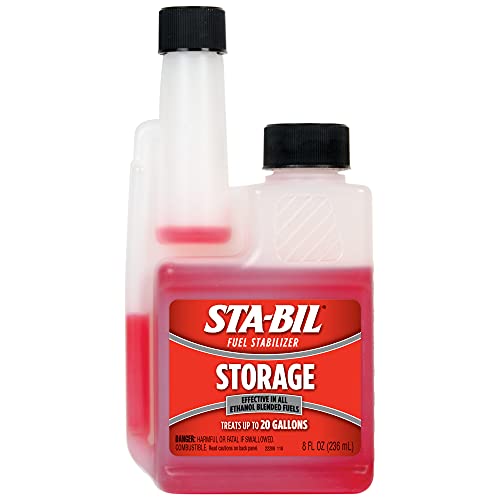
PRESERVES FUEL: This fuel stabilizer ensures keeps gasoline fresh for up to 24 months for storing vehicles that are not in use, boats, outdoor power equipment during winter months, or stocking up on fuel.

PRESERVES FUEL: This fuel stabilizer ensures keeps gasoline fresh for up to 24 months for storing vehicles that are not in use, boats, outdoor power equipment during winter months, or stocking up on fuel.

7 Safety Rules for Storing Gas Cans at Home
The first rule for storing gas cans at home is to use only approved containers with a maximum capacity of 5 gallons. Ensure you select a UL- or OSHA-approved storage container that has a tight seal and is clearly marked for gasoline. This helps prevent leaks and reduces risk in case of fire or spills. Store the gas can in a detached shed or garage—not inside your house or basement—to keep fumes away from living areas. Choose a cool, well-ventilated spot that is at least 50 feet away from any ignition sources such as pilot lights, furnaces, or electrical appliances. Gas fumes are heavier than air and can travel along the floor, creating a fire hazard. For powering equipment outdoors, a heavy-duty extension cord ensures your devices stay safely connected at a distance. After using the container, seal it tightly but leave some space for expansion. Regularly inspect the gas can for leaks, cracks, or other damage, and replace it immediately if you notice any issues. Metal or plastic cans are safer than unapproved containers because they resist corrosion and static buildup. For superior long-term storage and performance, consider choosing a propane tank built with high-quality materials that prevent corrosion and maintain a reliable seal.

Fits Your Needs - Type I safety cans have a single opening for filling and pouring fluids. They are used to safely store, transport, and dispense flammable liquids.

CONTROLLED FUEL TRANSFER: The patented manifold and Safe-Squeeze trigger provide smooth, glug-free dispensing with improved flow control. This safety gas can helps reduce spills and supports more accurate fuel transfer

Fits Your Needs - Type I safety cans have a single opening for filling and pouring fluids. They are used to safely store, transport, and dispense flammable liquids.
Why Ethanol Gas Spoils Faster in a Gas Can
Ethanol-blended gasoline spoils faster in a gas can because it actively absorbs moisture from the air. Ethanol’s hygroscopic nature means it pulls in water vapor every time temperature changes or the can “breates.” Once the water content exceeds what the fuel blend can handle, phase separation occurs, creating a watery, alcohol-rich layer at the bottom. Your engine’s fuel pickup then draws from this layer first, increasing the risk of poor performance. Additionally, ethanol accelerates chemical aging of the fuel, leading to the formation of gums and deposits that can clog fuel systems. Over time, stale gasoline can also lose its volatility, making engine startup difficult. Without stabilizers, moisture absorption and oxidation happen more quickly, especially in warm, humid environments, making E10 fuel degrade within a few months. For camping trips where portable power is essential, this is why a reliable portable generator often pairs best with stabilized fuel. Using a Sta-Bil fuel stabilizer can prevent gum and deposit formation by chemically neutralizing the fuel’s aging process.
How to Tell if Stored Gas in a Can Has Gone Bad
Pour a small sample of the stored gas into a clear glass jar and observe its color. Fresh gas appears clear or pale yellow; as it ages, it darkens to amber, brown, or tea-colored. If you notice a murky appearance or rusty-orange tint, the gas has likely degraded. For comparison, a car lighter power inverter requires stable electrical input from a healthy battery, while degraded gas can hinder the alternator’s ability to keep that battery charged. Using a top fuel stabilizer helps prevent such degradation by maintaining fuel freshness during long-term storage.
Check for haze, sediment, or separation into layers. Water contamination shows as a milky or cloudy look. Swirling the sample can reveal sticky residues that remain after drying, which indicate varnish buildup. These visual clues, alongside any unusual odors, help you quickly assess whether the stored gas has gone bad without needing to start your engine.
When to Ditch Old Gas vs. When You Can Save It
If your fuel is less than three months old and stored in an approved container, it’s generally safe to keep. Between three and six months, you should proceed with caution unless the fuel has been stabilized. Fuel that is six to twelve months old requires careful consideration—only keep it if a stabilizer was added recently and storage conditions were cool, dry, and airtight. After twelve months, it’s best to discard it to avoid engine issues. Just as with fuel storage, using an extension cord with power equipment requires caution to avoid fire hazards. For anyone relying on backup power, remember that proper ventilation is just as critical when running generators as it is when storing volatile fuels.
The type of fuel also influences its longevity. Ethanol-blended fuels tend to degrade faster, often deteriorating in as little as three months. Regular gasoline without ethanol typically lasts longer, but all types are affected by heat, moisture, and air exposure. For critical equipment, do not stretch the storage limits. When unsure, rotate your fuel seasonally and replace old supplies regularly. Old gas can cause engine problems, making it not worth the risk.
Similarly, when choosing between equipment for your car, understanding lifespan and safety can help you make a smarter buy for your setup.
Does a Metal Can vs. Plastic Can Change Shelf Life?
A metal can generally extends the shelf life of stored fuel compared to a plastic can. Metal acts as a better barrier against vapor transmission, blocking the escape of volatile hydrocarbons, especially in heat or sunlight. This helps maintain fuel quality over a longer period. A whole house surge protector can safeguard your workshop and garage appliances from voltage spikes while you handle fuel storage. However, metal cans are susceptible to rust or corrosion from moisture, which can contaminate the fuel. Plastic cans do not rust but tend to become brittle over time, especially if exposed to UV light or extreme temperatures. For short-term storage, plastic is suitable if kept sealed and in a cool place. For longer-term storage, using an approved metal can, keeping it full to limit air exposure, and storing it out of direct sunlight can significantly improve shelf life. Beginners should also learn safe gas can use to avoid spills and fire hazards when handling stored fuel. Adding a stabilizer can also help, but choosing the right container plays a key supporting role. For devices that need consistent power, investing in smart power protection can ensure your stored fuel equipment remains reliable during outages.