Wondering if kerosene can freeze? It’s a common concern, especially when you rely on it for heating or equipment.
The good news is, kerosene doesn’t turn solid in cold temperatures but it can gel and thicken, which can cause problems.
Keep reading to find out how cold affects kerosene and how to store it safely in winter conditions.
Yes, Kerosene Freezes: But Not Like Water
Kerosene does freeze, but not into a clear, solid block like water. Instead, it first turns cloudy as wax crystals begin to precipitate out of the fuel. As the temperature drops further, these crystals cause the kerosene to thicken into a slushy gel. This gradual process can clog fuel lines and filters well before the fuel becomes fully solid. Conducting regular deep cycle battery testing on your equipment’s starting system can prevent cold-weather failure unrelated to fuel issues. Additionally, storing kerosene properly in sealed containers can prevent contamination that might accelerate wax formation.
To prevent this, you rely on fuel additives in cold weather. These additives don’t stop wax crystals from forming. Instead, they modify their shape, keeping the crystals small enough to flow through your fuel system. Without these additives, equipment failure usually occurs not because the fuel freezes solid, but because the flow is hindered by wax buildup. Heating the fuel reverses the process, melting the wax crystals back into liquid. For engine equipment like generators, choosing the right oil works alongside fuel additives to ensure reliable cold-weather operation. So, although kerosene can freeze, your main enemy is wax, not ice. Fuel additives are your best defense to keep fuel flowing smoothly in cold temperatures.

EASY USE AT EVERY FILL-UP: Add directly to the fuel tank at each fill-up. The long neck and measuring chamber make treating fuel simple. One 41 oz bottle treats up to 275 gallons

Accelerates the socket at low temperature

2.5 Gallon Jug Treats 3,750 Gallons
What Temperature Does Kerosene Freeze At?
Kerosene typically freezes around –40°F (–40°C). This temperature can vary depending on the grade and specific formulation of the fuel. Standard 1-K heating kerosene usually remains liquid down to this point, but additives and refining processes can alter the freeze point. For aviation fuels like Jet A, the maximum freeze point is also about –40°C, while Jet A-1 and JP-8 have freeze points as low as –47°C (–53°F). These lower temperatures prevent the fuel from solidifying at high altitudes, ensuring the engine remains supplied with liquid fuel. Heating kerosene helps keep it fluid well below water’s freezing point, but always consult the safety data sheet for the exact temperature limits based on your specific fuel.

Measuring range:-20~80℉

EXTRA LARGE DIAL: The extra-large and colorful 3” analog dial makes it easy to read the measurements.
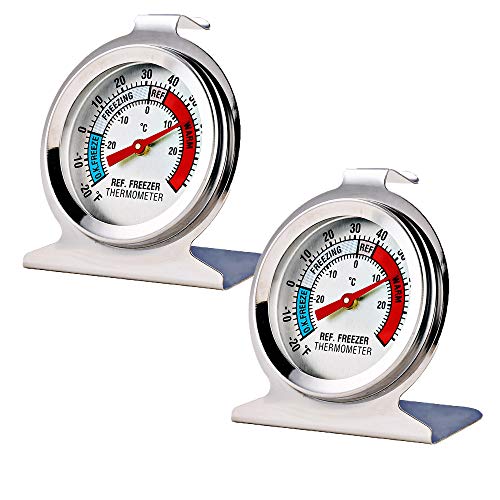
Measuring range:-20~80℉
Does Kerosene Freeze or Just Gel?
Kerosene does not freeze solid; instead, it gels at low temperatures. When temperatures drop, wax crystals form within the fuel, causing it to thicken and flow less freely. The initial sign is the cloud point, where the fuel appears hazy, signaling wax crystallization begins. As temperatures continue to decrease, the fuel reaches the pour point or gel point—around -40°F (-40°C)—where it becomes jelly-like and stops flowing altogether. The temperature at which kerosene gels varies based on its grade and paraffin content. Cleaner, lighter cuts tend to tolerate colder conditions better than heavier blends, which contain more wax and wax crystals. To improve low-temperature performance, some fuels are blended with other distillates or specially formulated additives. For those relying on backup power, a portable generator for home use provides consistent electricity when gelled fuel may fail. For reliable power stability in freezing weather, using a dedicated surge protector for PC ensures your electronics remain safe from electrical surges. Overall, kerosene is more likely to gel or thicken rather than truly freeze into a solid, so flow loss from gelling is the primary concern in cold weather. For reliable power in cold conditions, a portable solar generator can serve as a practical alternative to gelled fuel.
How Freezing Affects Your Kerosene Equipment
Freezing can cause kerosene to gel, leading to immediate issues in your equipment. When fuel gels, ignition becomes sluggish, flames weaken, and warm-up times stretch out. Fuel lines and filters are especially vulnerable, as waxy or dirty fuel clogs these components, restricting flow. To prevent this, regularly maintain your storage: drain and flush tanks after winter to remove sludge buildup. Using fuel additives designed for cold weather can help keep kerosene fluid and prevent deposits in wicks and nozzles. Check intake filters frequently and inspect fuel lines for cracks or blockages before cold season begins. Cleaning fuel-system parts with kerosene is recommended, but always ensure you fully remove any water afterward to avoid freezing-induced blockages. High-quality, freshly purchased 1-K kerosene offers better cold-weather performance and reduces the risk of gelling. Portable generators using kerosene may benefit from an inverter design that ensures stable power output even when cold weather affects fuel flow. For those relying on a generator, pairing your setup with a top transfer switch ensures a safe and seamless transition during power outages.
Why Typical Winter Cold Won’t Freeze It Solid
Most winter cold weather doesn’t reach the extreme temperatures needed to freeze kerosene solid. While you might notice clouding or waxing of the fuel first, complete solidification happens only under incredibly low temperatures that are rarely found in populated regions. Typically, these conditions plunge well below -40°F (-40°C), far colder than standard winter cold snaps. As a result, kerosene remains liquid and remains usable throughout most winter conditions, even when temperatures dip significantly. However, always remember to operate your generator outdoors away from windows to avoid carbon monoxide buildup. A DIY solar panel project involves entirely different materials and safety checks than fuel storage. For devices running on electricity, using surge protectors helps guard sensitive electronics from power spikes.
How to Store Kerosene for Winter Safety
To store kerosene safely for winter, focus on using the right containers and proper storage practices. Use only approved metal or high-density polyethylene (HDPE) containers with tight-fitting caps to prevent leaks and vapor escape. Keep these containers upright, clearly labeled, and away from heat sources like furnaces or pilot lights to reduce fire risk. Store the fuel in a cool, dry, well-ventilated area out of direct sunlight, such as an outdoor shed. Regularly inspect containers for rust or damage, and ensure vents remain clear of snow or ice. Avoid storing kerosene indoors or near incompatible substances like gasoline. Just as a generator requires a transfer switch installed by a qualified professional to prevent dangerous backfeeding, your kerosene containers must be safely isolated from any electrical sources or open flames. Similarly, attempting to power a 24V system with a 12V charger would be ineffective, as it cannot supply the required voltage and poses a safety risk. Follow local regulations regarding storage quantity limits, and use spill trays to contain leaks if they occur. Choosing a weather-resistant generator shed can further protect your fuel from freezing and moisture. Following these steps helps keep your kerosene storage safe through the winter months.

⚠️ IMPORTANT SAFETY NOTICE: This product is NOT a portable fuel container and is NOT approved for storing or transporting flammable fuels such as gasoline, diesel, kerosene, or propane. It is designed and labeled for non-flammable liquids only. Misuse may result in fire hazard or violation of local safety regulations. Compliance Statement: This product complies with general consumer goods safety standards for non-fuel liquid storage containers. No EPA/DOT certification is required as it is not intended for fuel use.

[What’s Included?] With this purchase, you'll receive one 5-Gallon Hedpack with cap, made with Food-Grade & BPA-Free material for brewing, fermenting, or food storage.

✔️【Premium HDPE Construction】 Made of high-density polyethylene (HDPE), these gas can caps are built to last—resistant to wear, corrosion, and harsh fuels. Safely stores gasoline, diesel, kerosene, and other liquids without cracking or degrading.