Wondering how much gas your generator will gobble up? The fuel consumption depends mainly on how much power you’re drawing, not just the size of the generator.
For example, a typical 5,000-watt home load uses about 0.4 to 0.5 gallons per hour.
Keep reading to see how different loads affect fuel use and what to expect for your setup.
How Much Gas Does a Generator Use Per Hour?
A 7.5 kW portable generator typically uses about 0.52 to 0.75 gallons of gasoline per hour at 50% load. Larger units, like a 22 kW standby generator, can consume between 1.54 and 2.20 gallons per hour. These figures help you plan how long your generator can run based on your fuel supply. Keep in mind that higher-capacity units generally produce more noise, so you’ll want to consider noise levels alongside fuel economy, especially when camping or working in sensitive environments. Understanding these hourly consumption rates allows you to estimate runtime accurately and manage your fuel use effectively. If you need less power, a 1000 watt inverter may run smaller devices without burning any fuel at all. For applications where battery use is preferred, deep cycle battery testing can help assess whether your energy storage is still reliable for powering devices.

224cc dual-fuel engine runs on both gasoline (4800 surge watts, 4000 rated watts) and propane (4320 surge watts, 4000 rated watts)

Switch between gasoline (4750 surge watts, 3800 running watt) and propane (4350 surge, 3500 running) with the simple turn of the selection dial

224cc dual-fuel engine runs on both gasoline (6800 surge watts, 5100 rated watts) and propane (6000 surge watts, 4500 rated watts)
What Really Drives Generator Fuel Use: Load vs. Size
Actual fuel use for a generator depends mainly on the electrical load it’s supplying, not just its rated size. A generator rated at 100 kW will burn less fuel at 50% load than at full capacity because the engine isn’t working as hard. The most efficient operation occurs around 70–80% load, where the engine runs in its optimal range. Running below 40% load significantly increases fuel consumption per kilowatt-hour and may cause issues like wet stacking with diesel engines. To maximize fuel efficiency, you should size your generator close to your peak expected demand. Oversizing a generator—such as using a 500 kW unit for a 100 kW load—causes poor fuel economy because the engine runs at a low percentage of its capacity. Therefore, focusing on the load percentage, not just the generator size, provides a more accurate estimate of fuel use. Selecting a car battery charger with the right specifications is also important for maintaining the starting battery of your generator. If you are storing a propane tank for your generator, always follow safe propane storage guidelines to avoid hazards and ensure reliable operation.
Gas Usage by Wattage: A Quick Reference Chart
Wattage directly correlates with fuel consumption, providing a useful guideline for estimating your generator’s fuel use. For portable units between 1,000 and 2,000 watts, expect to burn roughly 0.05 to 0.25 gallons of fuel per hour, depending on the load. As you move up to the 3,000 to 5,000W range, fuel consumption increases to about 0.12 to 0.50 gallons per hour at light loads, climbing close to 1 gallon per hour when running at full capacity. Units between 6,500 and 7,500 watts typically use about 0.38 to 0.68 gallons per hour at moderate output but can exceed 1 gallon per hour under heavy demand. For larger generators around 10,000 watts, expect consumption in the 0.50 to 1.50 gallons per hour range. The biggest models, from 15,000 to 20,000 watts, generally burn between 0.80 and 3.20 gallons hourly. An inverter model often provides better fuel efficiency at variable loads compared to a conventional generator. Understanding fuel consumption efficiency can similarly guide decisions when comparing other power sources, like solar panels, for long-term cost savings. Using a fuel stabilizer can help keep stored gasoline fresh and prevent engine issues during seasonal use.
Keep in mind that higher wattage units tend to be louder, which may influence where and how you use them. Regular maintenance, like cleaning air filters, can help keep fuel burn rates close to these estimates. Monitoring your generator’s load and following proper upkeep will ensure efficient fuel use and optimal performance over time.

POWERFUL PERFORMANCE: The iGen5000DFc dual fuel inverter generator is perfect for your RV, jobsite, or emergency home backup; Gasoline: 5,000 peak watts and 3,900 running watts, Propane: 4,500 Peak Watts and 3,500 running watts; Runtime: up to 18 hours at 25% load on a 3.4 gallon gas tank

5000 Peak Watts and 3900 Rated Watts at Less Than 3% THD – Telescoping Handle – Gas or Propane Powered – Remote Start With Included Key Fob, Electric and Recoil Start

𝗥𝗲𝗹𝗶𝗮𝗯𝗹𝗲 𝗣𝗼𝗿𝘁𝗮𝗯𝗹𝗲 𝗚𝗲𝗻𝗲𝗿𝗮𝘁𝗼𝗿 𝗳𝗼𝗿 𝗘𝘀𝘀𝗲𝗻𝘁𝗶𝗮𝗹 𝗕𝗮𝗰𝗸𝘂𝗽 𝗡𝗲𝗲𝗱𝘀: Provides 4000 rated watts and 5000 peak watts to support essential household appliances during temporary outages. Designed for home backup, RV trips, and general outdoor power needs.
How to Calculate Your Generator’s Gas Burn at 25%, 50%, or 100% Load?
To determine your generator’s gas consumption at 25%, 50%, or 100% load, start by calculating your actual connected load in kilowatts (kW). Do this by measuring the total power your connected devices draw and dividing that number by the generator’s rated kW, then multiply by 100 to get the load percentage. This helps you avoid guessing based on the generator’s nameplate size, which can be misleading. For smaller units, selecting the best 10W-30 oil improves efficiency and longevity. However, if your generator’s battery is dead, a standard battery tender cannot recharge it, as battery tenders are designed only for maintaining already charged batteries.
Next, refer to the manufacturer’s fuel consumption data for your specific load level. For example, a 100 kW diesel generator consumes approximately 2.6 gallons per hour (GPH) at 25% load, 4.1 GPH at 50%, and 7.4 GPH at full 100% load. Divide your available fuel supply by the hourly burn rate at each load level to estimate how long your generator can run. Remember, running at lower loads can save fuel, but it might reduce efficiency per kilowatt-hour, so always stick to manufacturer charts for the most accurate estimates.
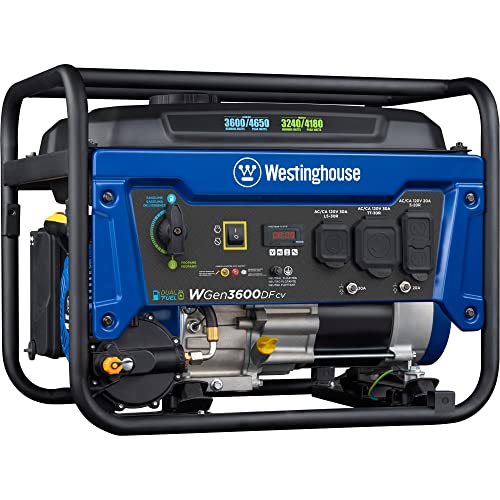
4650 Peak Watts & 3600 Rated Watts (Gasoline); 4650 Peak Watts & 3240 Rated Watts (Propane); 4 Gallon Fuel Tank (with Fuel Gauge); Up To 14 Hours of Run Time Per Tank

Dual-fuel design runs on both gasoline (3600 surge watts, 2900 rated watts) and propane (3500 surge watts, 2600 rated watts)
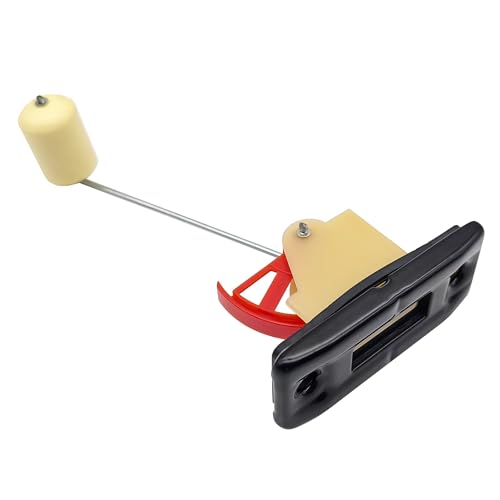
Replaces Part#: 17630-Z22-030 17630-Z22-020 17630-Z22-010 17630-ZR6-003 17630-Z22-000 17630-Z11-A31 0G84300102 0H1345G.
5 Ways to Cut Generator Fuel Use Without Changing Your Generator
Running your generator near its efficient load range of 60% to 80% capacity helps reduce fuel consumption by preventing overloading or underloading. Operating within this window minimizes waste and keeps the engine running smoothly, improving overall efficiency. Avoid running it at idle for extended periods; shut it down during inactivity to conserve fuel. The fuel consumption rate also depends on tank size, so knowing the output from each gallon directly impacts how long your generator will run on a full tank. Schedule runtime to match your actual power needs rather than leaving it idling unnecessarily. Additionally, balancing and staging electrical loads prevents surges that can cause your generator to use more fuel than needed. Proper load management ensures you get the most out of each tank of fuel without sacrificing performance. A DIY solar panel kit can be built to offset peak loads, further reducing generator runtime. For those considering a switch, portable solar generators offer a gas-free alternative with reliable power output.